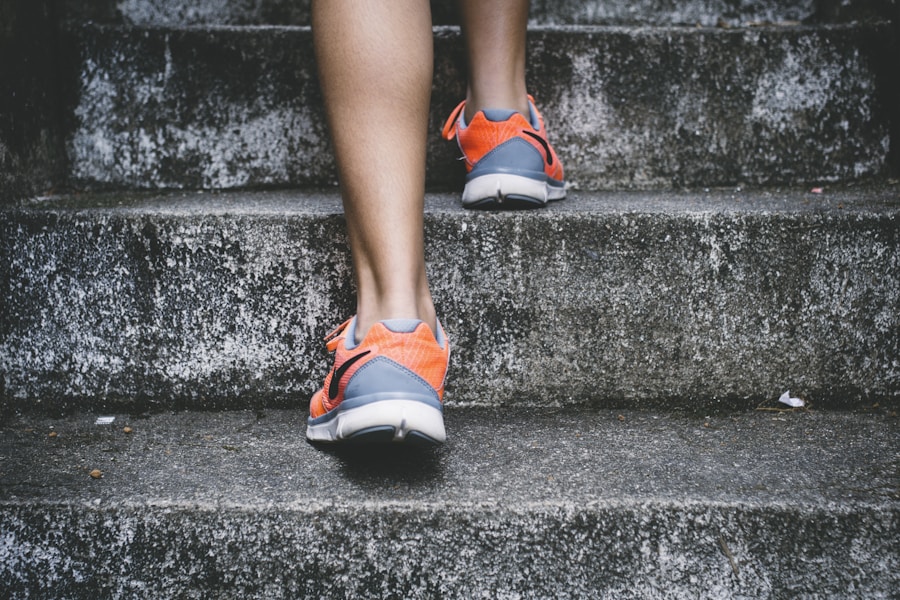
[태그:] 호르몬

  • 갱년기 복부 비만 — 에스트로겐이 줄면 왜 배만 나오나, 과학적으로 파헤치고 되돌리는 법

    갱년기 복부 비만 — 에스트로겐이 줄면 왜 배만 나오나, 과학적으로 파헤치고 되돌리는 법

    혹시 이런 경험 있으세요?
    같은 식단인데 살이 부쩍 찐다
    특히 배만 나오는 느낌이다
    운동을 해도 변화가 더디다
    1개라도 해당하면 이 글이 도움이 됩니다.
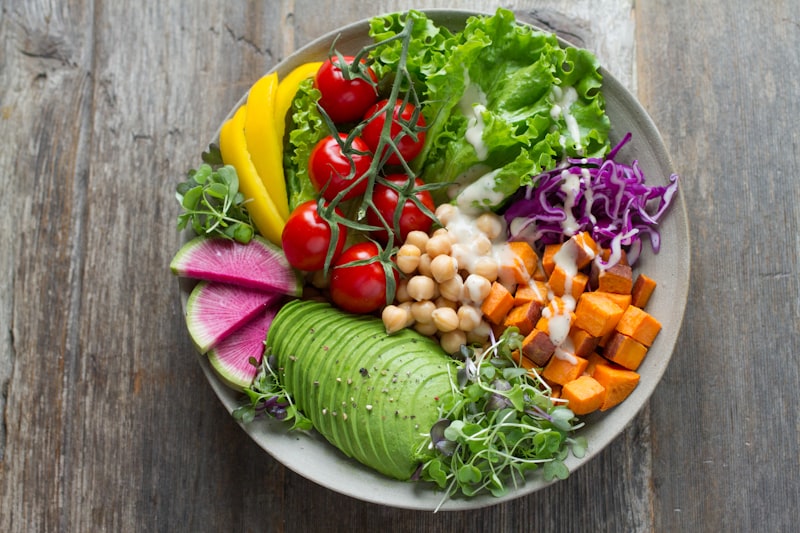
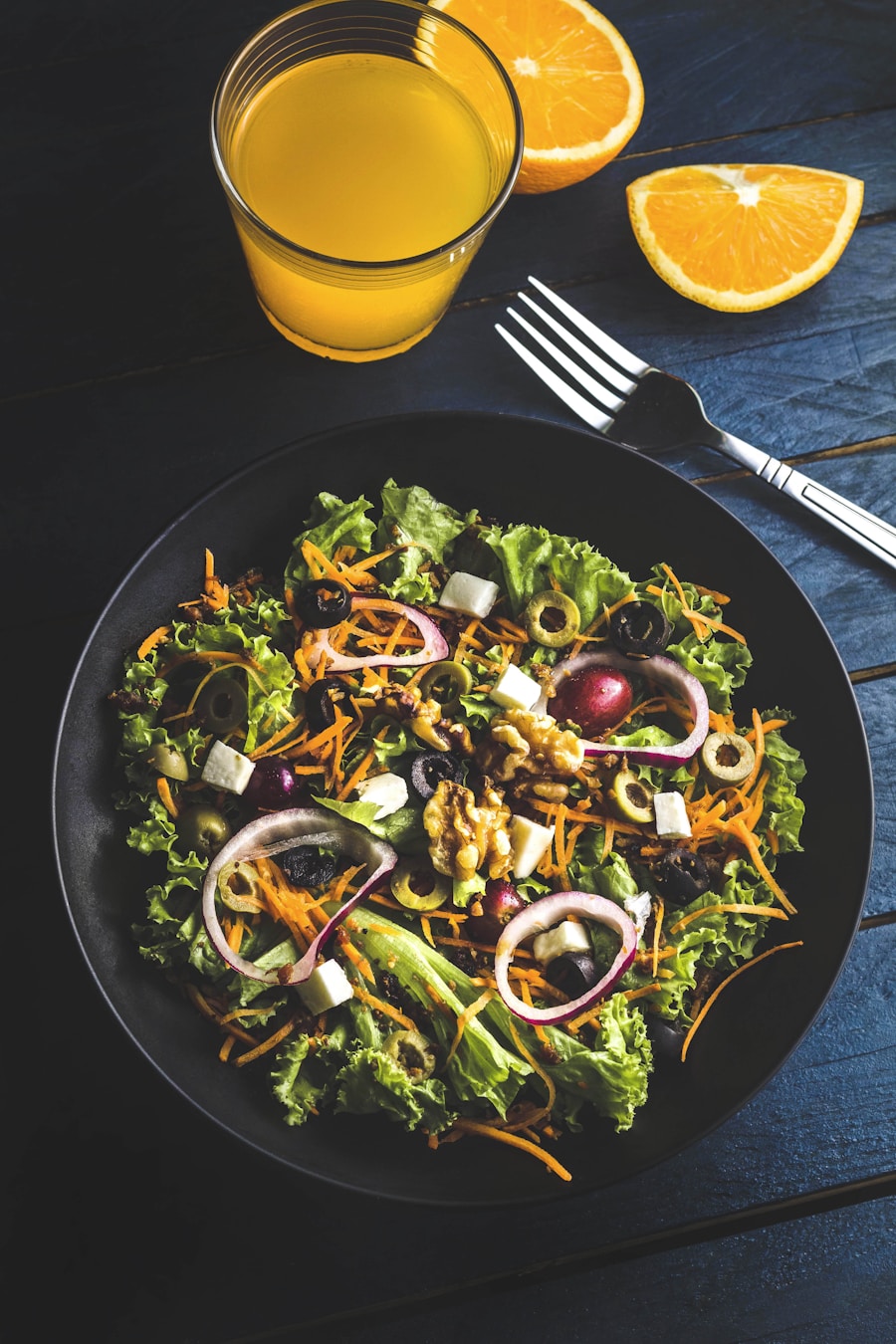
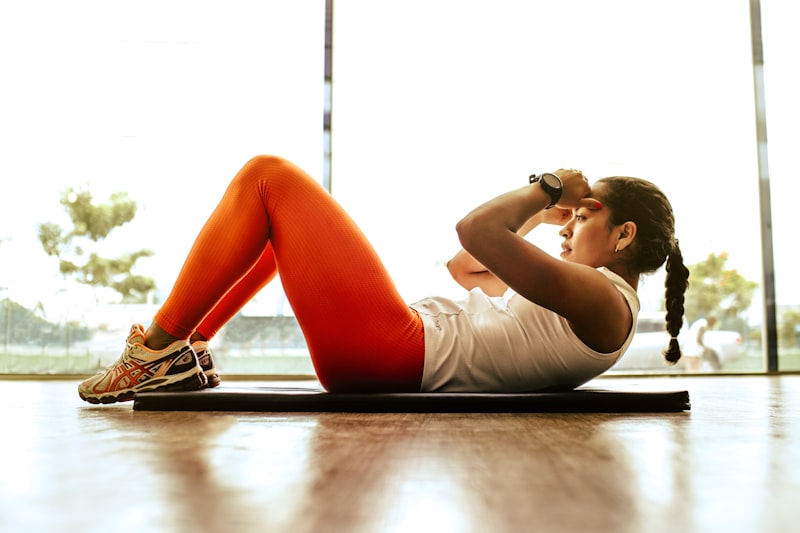
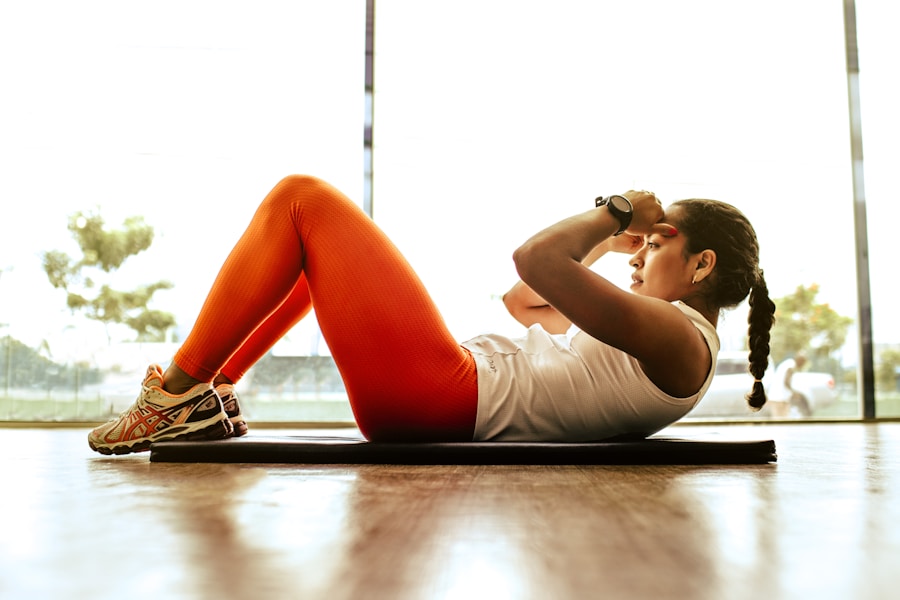
    갱년기 복부 비만 — 임상 가이드 본문 이미지 1
    갱년기 이후 복부 지방은 단순한 식이 문제가 아닙니다 — 호르몬 변화가 근본 원인입니다
    30초 핵심 요약
    • 갱년기에 배만 나오는 이유
    • 에스트로겐과 지방 분포의 관계
    • 코르티솔과 복부 지방의 악순환
    • 식단 전략 — 무엇을 먹어야 하나

    갱년기에 배만 나오는 이유

    “밥도 안 먹고, 운동도 하는데 왜 배만 나오지?” — 40대 중반 이후 많은 분들이 겪는 이 현상은 의지 부족이 아닙니다. 갱년기 여성의 체지방 재분배는 에스트로겐 감소라는 생물학적 변화가 주도하는 현상입니다.

    49%
    르면, 폐경 전후 3년 사이 여성의 내장 지방은 평균 49% 증가합니다.
    — 본문 인용 출처 / 임상 보고

    폐경 이행기(perimenopause)가 시작되면, 대부분의 여성은 총 체중이 크게 변하지 않아도 허리둘레가 늘어나는 것을 경험합니다. SWAN(Study of Women’s Health Across the Nation) 코호트 연구에 따르면, 폐경 전후 3년 사이 여성의 내장 지방은 평균 49% 증가합니다.

    이 복부 지방이 단순히 보기 싫은 것을 넘어, 대사 증후군·심혈관 질환·제2형 당뇨병의 독립적 위험 인자라는 점이 중요합니다. 갱년기 복부 비만 관리는 외모가 아닌 건강 수명의 문제입니다.

    에스트로겐과 지방 분포의 관계
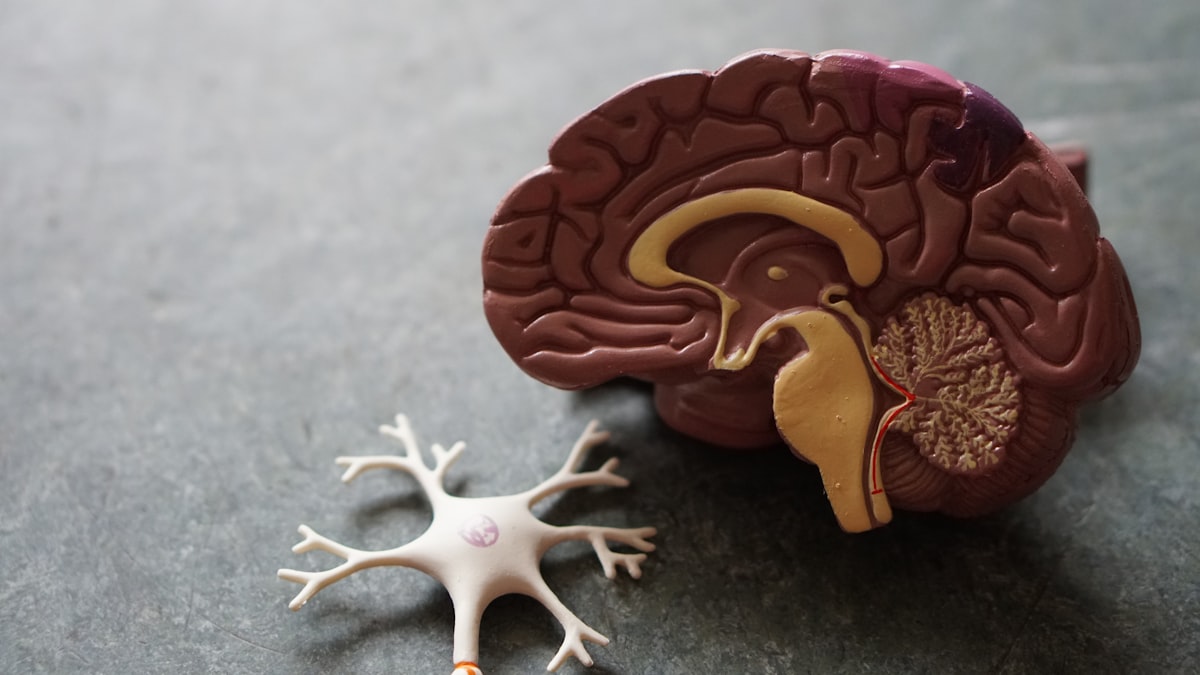
    호르몬과 체지방 분포 변화
    에스트로겐은 지방을 엉덩이·허벅지에 저장하도록 유도합니다 — 이 신호가 사라지면 지방이 복부로 이동합니다

    에스트로겐은 단순한 ‘여성호르몬’이 아닙니다. 지방 조직의 분포와 대사를 직접 조절하는 신호 분자입니다. 에스트로겐 수용체(ERα)는 지방 세포, 근육, 간, 췌장 β세포에 모두 존재하며, 에스트로겐이 감소하면 이 모든 조직에서 대사 변화가 일어납니다.

    피하 지방 → 내장 지방 전환

    가임기 여성의 지방은 주로 피하 지방(허벅지·엉덩이)으로 저장됩니다. 에스트로겐이 감소하면 지방 저장 패턴이 남성형(사과 체형)으로 전환됩니다 — 지방이 복강 내 장기 주변(내장 지방)으로 쌓이는 것입니다.

    지방 분해 효소 억제 해제

    에스트로겐은 복부 지방 세포의 LPL(지단백 지질분해효소) 활성을 억제합니다. 에스트로겐이 줄면 이 억제가 풀리고, 복부 지방 세포가 지방산을 더 적극적으로 흡수하게 됩니다.

    근감소와 기초 대사율 저하

    근육도 에스트로겐 수용체를 가지고 있습니다. 에스트로겐 감소는 근육 단백질 합성이 저해하고 근감소(sarcopenia)를 가속화합니다. 근육이 줄면 기초 대사율이 낮아지고, 같은 양을 먹어도 더 많이 저장됩니다.

    핵심: 갱년기 이후 복부 비만은 ‘덜 먹지 않아서’가 아니라, 지방이 저장되는 위치가 호르몬 변화로 근본적으로 바뀐 결과입니다.

    갱년기 복부 비만은 단순히 살이 찐 게 아니라 에스트로겐이 만든 지방 분포의 재구성입니다.

    에스트로겐 감소 외에도 복부 지방을 악화시키는 두 번째 주범이 있습니다 — 코르티솔(스트레스 호르몬)입니다.

    에스트로겐은 HPA축(시상하부-뇌하수체-부신 축)을 조절해 코르티솔 분비를 억제합니다. 에스트로겐이 줄면 이 억제 기능이 약해지고, 같은 스트레스에도 더 많은 코르티솔이 분비됩니다. 코르티솔은 복부 내장 지방 세포의 수용체와 결합해 지방 저장을 직접 촉진합니다.

    여기에 수면 장애가 겹치면 악순환이 심화됩니다. 갱년기 안면홍조·야간 발한으로 인한 수면 단절은 렙틴(포만 호르몬)을 낮추고 그렐린(식욕 호르몬)을 높여, 다음 날 고칼로리 식품에 대한 갈망을 높입니다.

    갱년기에 자주 챙기는 제품

    갱년기 영양제 등 자주 찾는 제품을 비교해보세요.

    제품 비교 보기 →

    Coupang Partners 활동의 일환으로 일정액의 수수료가 제공될 수 있습니다.

    식단 전략 — 무엇을 먹어야 하나
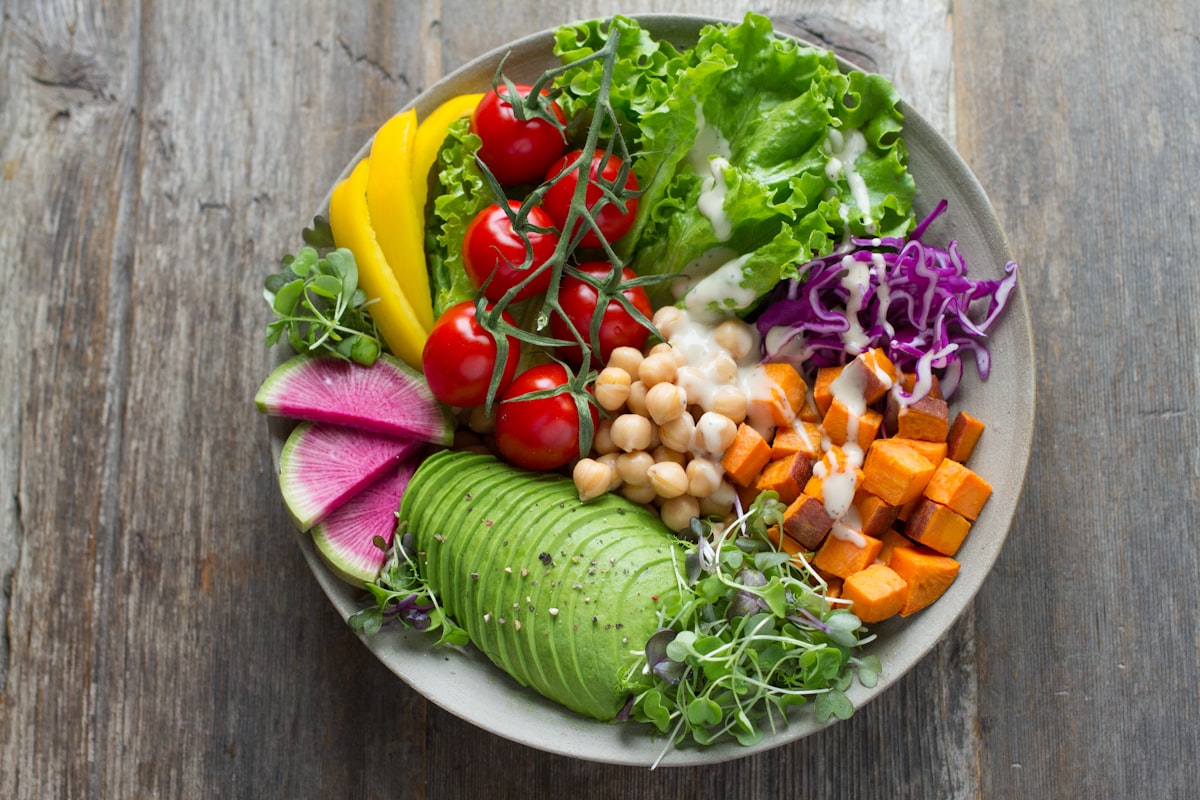
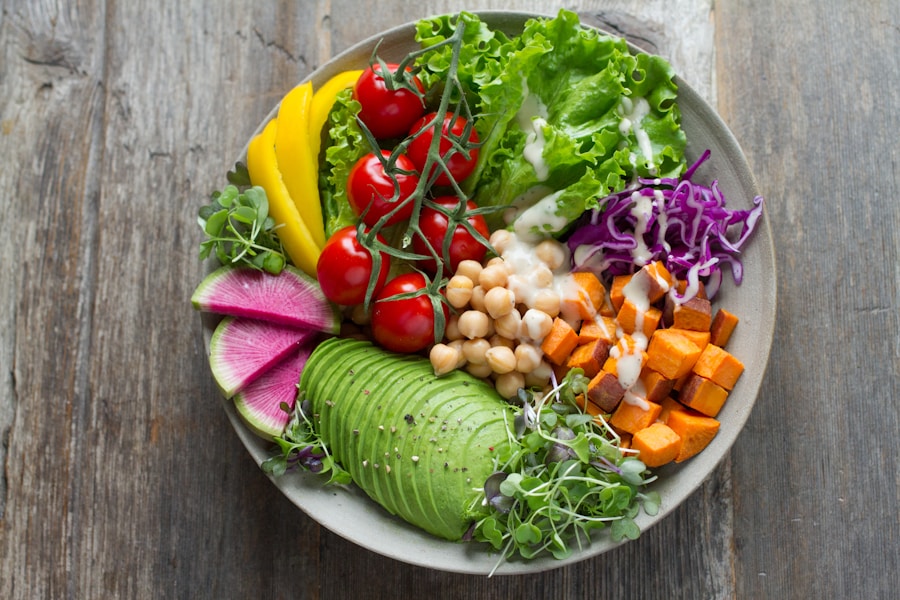
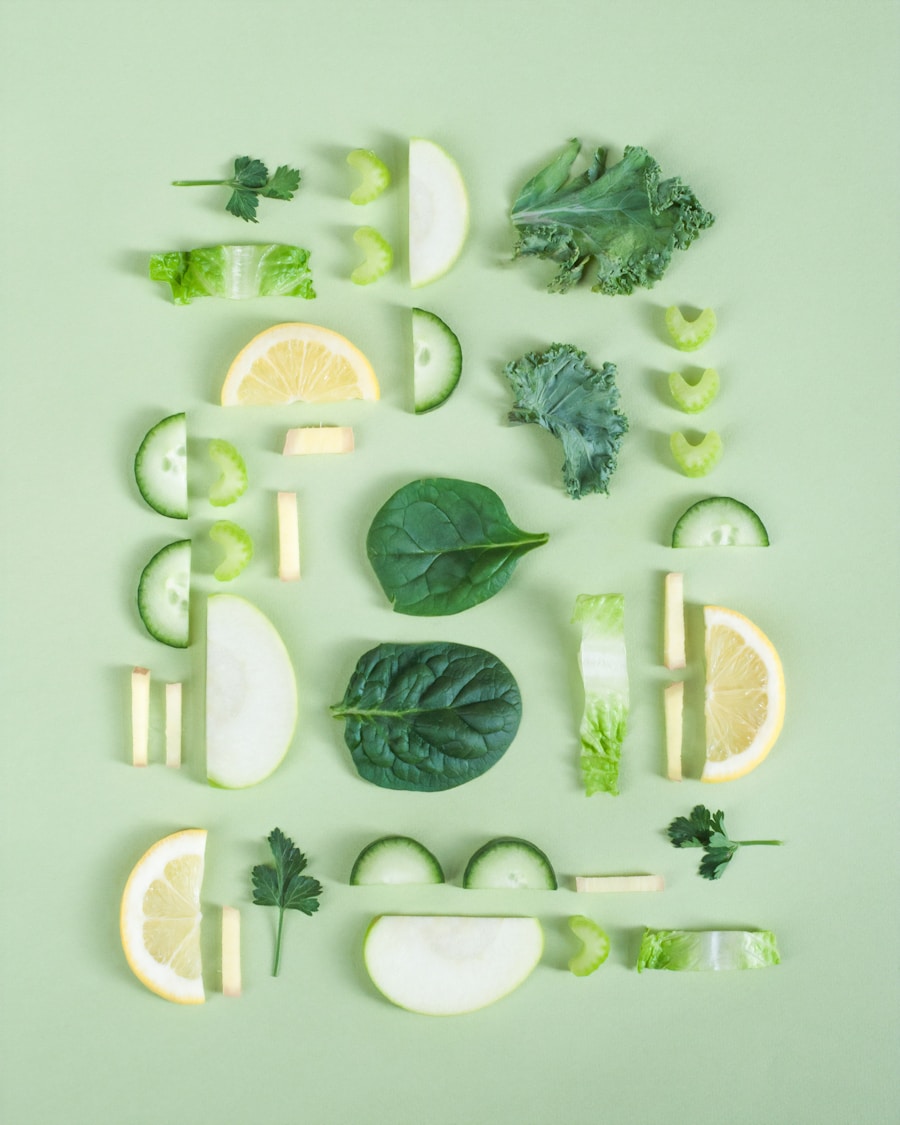
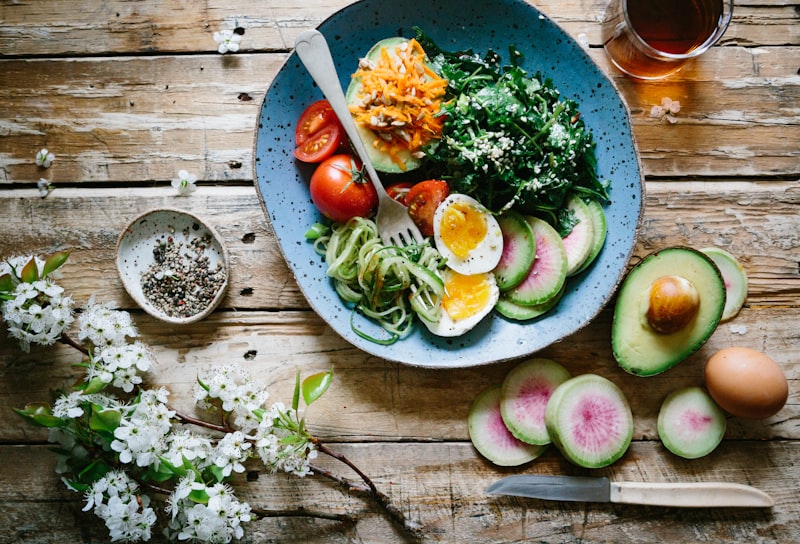
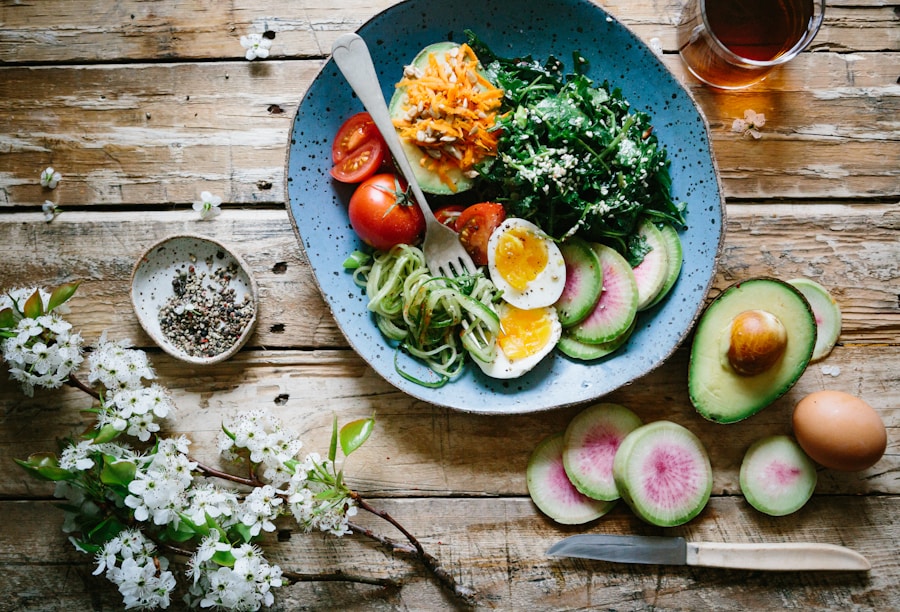
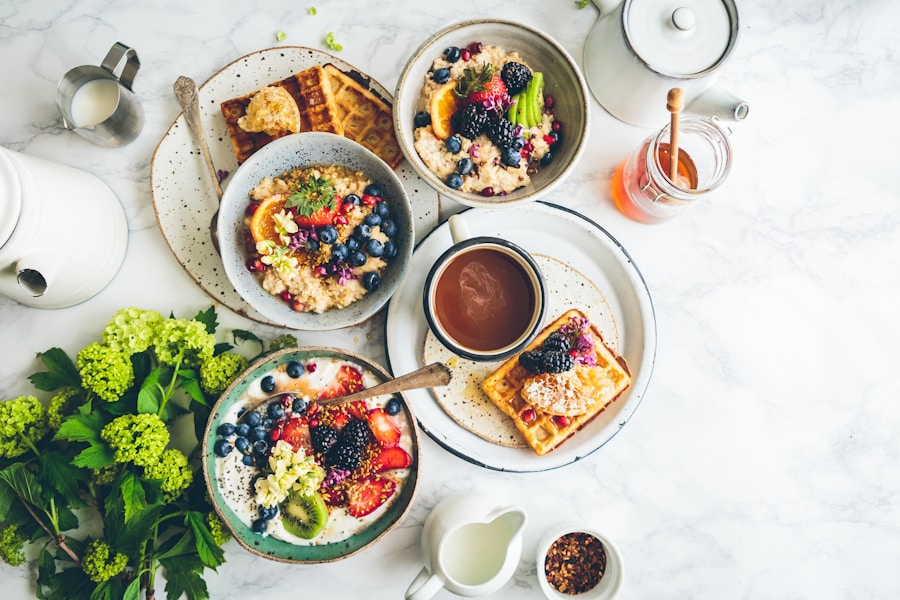
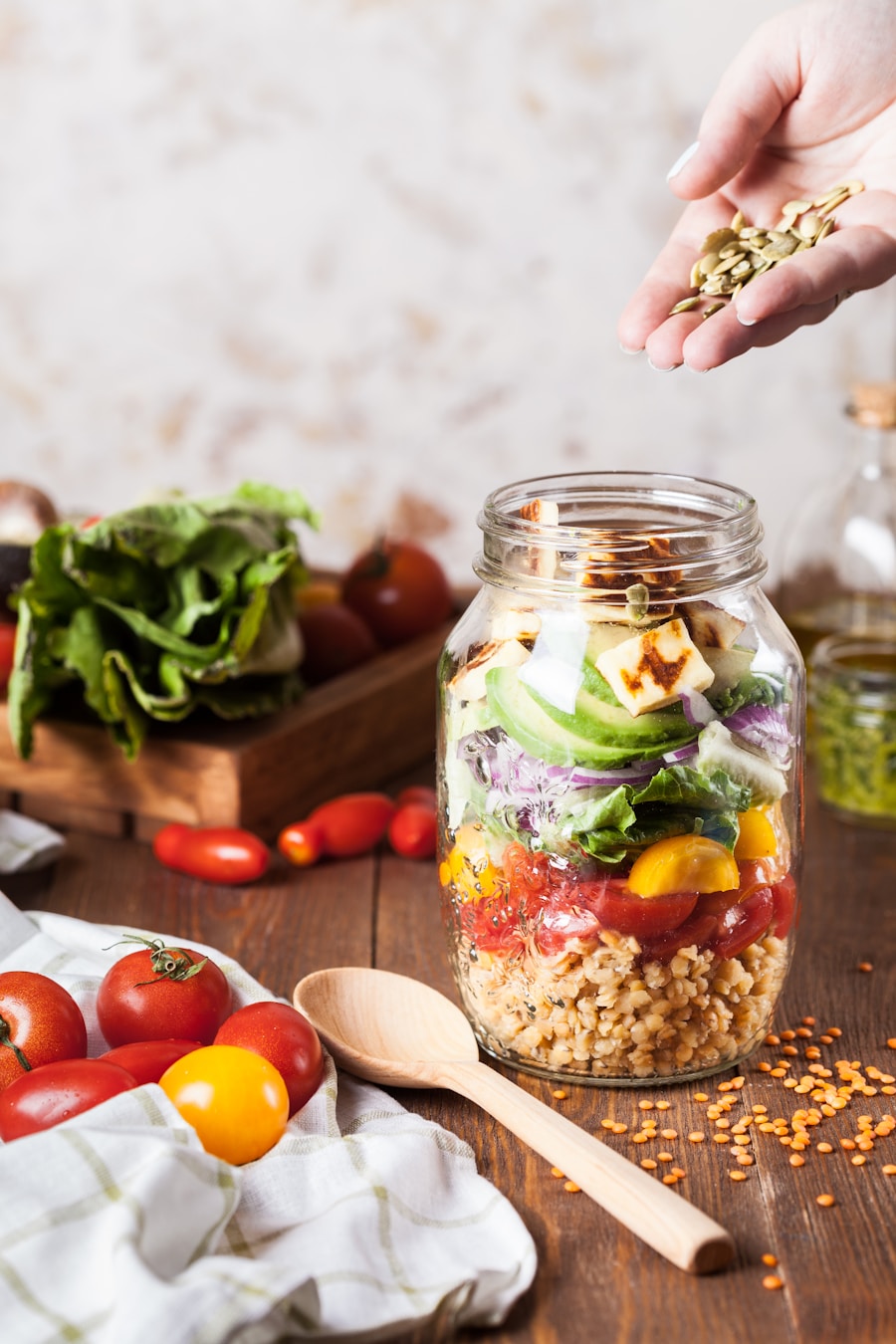
    갱년기 식단 전략 채소와 단백질
    갱년기 복부 비만을 줄이는 식단의 핵심은 충분한 단백질 섭취와 정제 탄수화물 축소입니다

    갱년기 복부 비만 관리에서 식단의 목표는 단순히 ‘덜 먹기’가 아닙니다. 인슐린 저항성 개선과 근육 유지를 위한 단백질 확보가 핵심입니다.

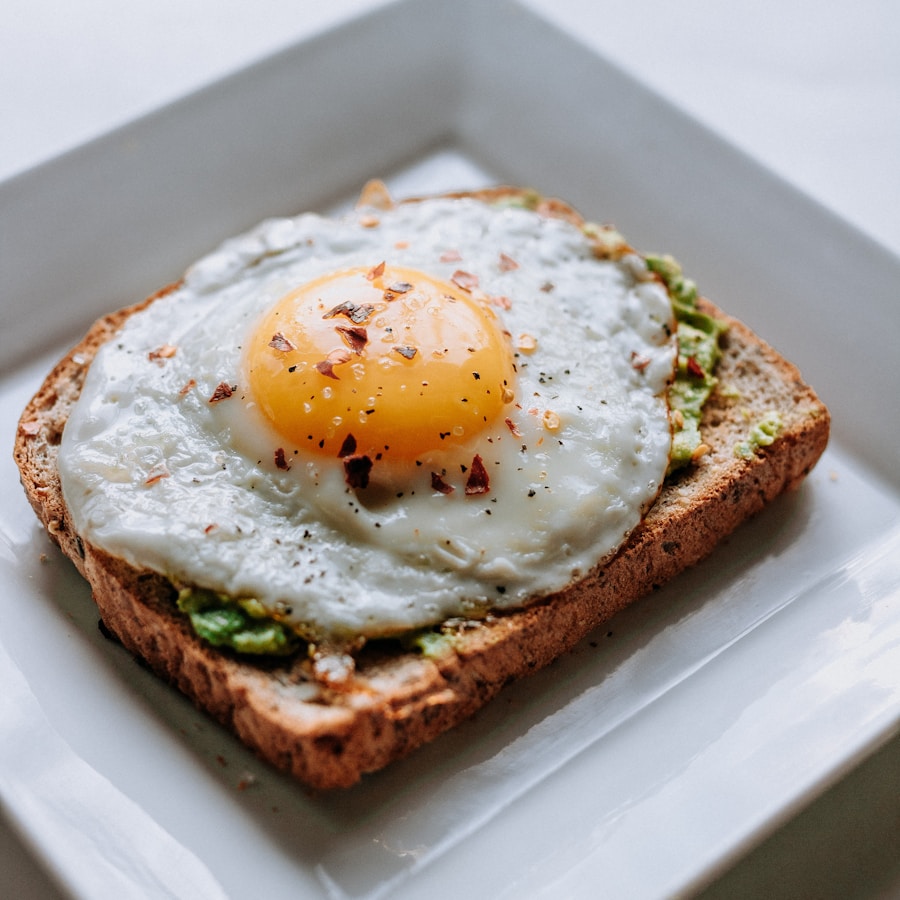
    단백질을 충분히 — 특히 아침에

    갱년기 여성의 하루 단백질 권장량은 체중 1kg당 1.2~1.6g입니다(일반 성인 0.8g보다 높음). 특히 아침 식사에 30g 이상의 단백질을 섭취하면 하루 전체의 근육 단백질 합성이 높아지고, 포만감 유지로 전체 칼로리 섭취량을 자연스럽게 줄이는 데 도움이 됩니다. 아침 단백질 섭취 전략 보기 →

    정제 탄수화물 줄이기

    흰 쌀밥, 흰 빵, 설탕이 든 음료는 혈당을 빠르게 올려 인슐린을 대량 분비시킵니다. 인슐린은 지방 분해를 억제하는 호르몬이기도 합니다. 갱년기 이후 인슐린 감수성이 떨어진 상태에서 정제 탄수화물을 지속 섭취하면 복부 지방 저장이 가속화됩니다.

    대안: 현미, 귀리, 고구마, 통보리 등 저GI 복합 탄수화물로 교체하고, 식사 구성에서 채소(50%) · 단백질(25%) · 탄수화물(25%) 비율을 유지하세요.

    항염증 식품 추가

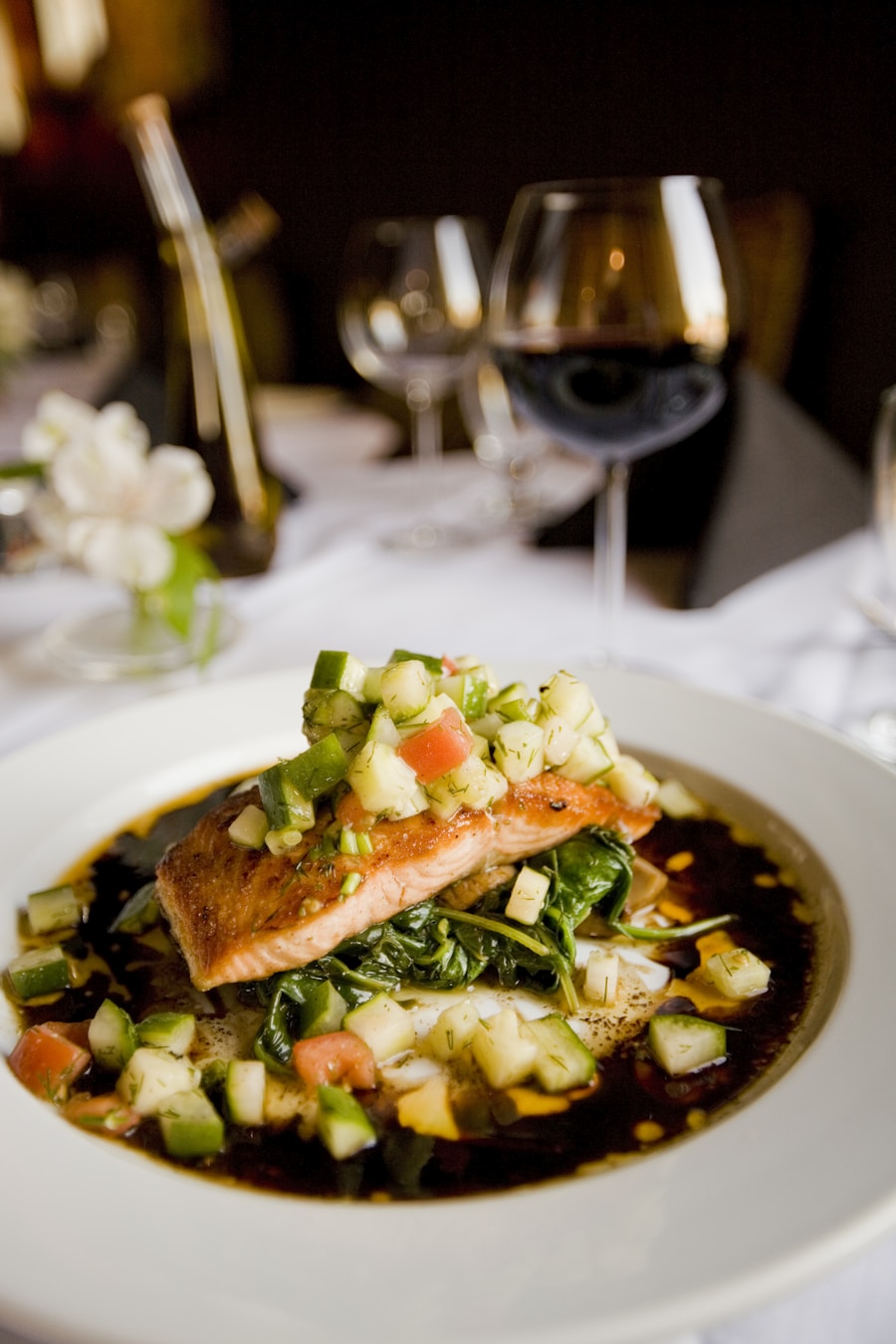
    내장 지방 자체가 만성 염증 물질을 분비하는 내분비 기관처럼 작용합니다. 오메가-3(연어, 고등어, 들기름), 폴리페놀(블루베리, 녹차, 올리브오일)을 규칙적으로 섭취하면 염증 지표가 낮아지고 내장 지방 감소에도 도움이 됩니다. 항염증 식단 전체 가이드 →

    식이섬유와 장내 미생물

    갱년기 이후 장내 미생물 다양성이 감소하면서 에스트로겐 대사 및 인슐린 민감성에 영향을 줍니다. 하루 식이섬유 25~35g 섭취(채소, 콩류, 통곡물)가 장 건강과 복부 지방 감소에 동시에 기여합니다.

    운동 처방 — 근력이 핵심인 이유

    갱년기 복부 비만에 가장 효과적인 운동은 무엇일까요? 연구들은 일관되게 저항 훈련(근력 운동) + 유산소의 복합 처방이 유산소 단독보다 내장 지방 감소에 더 효과적임을 보여줍니다.

    근력 운동 — 왜 필수인가

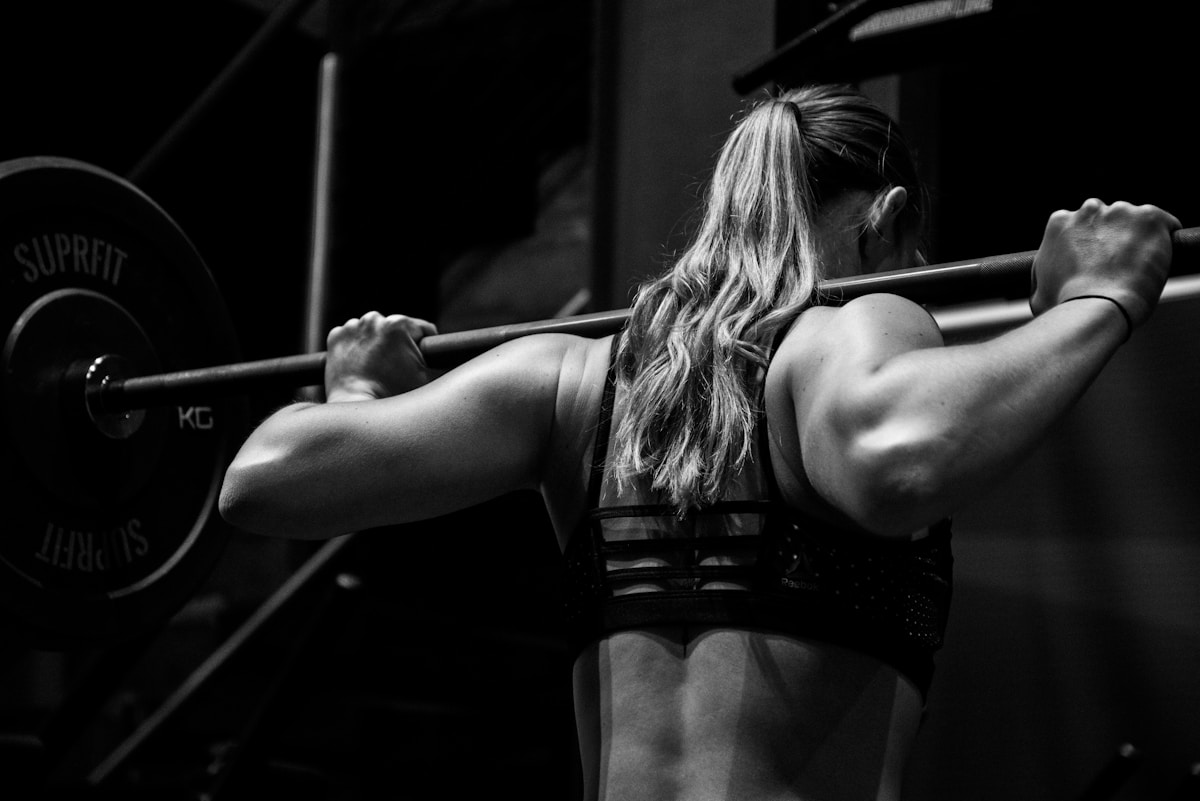
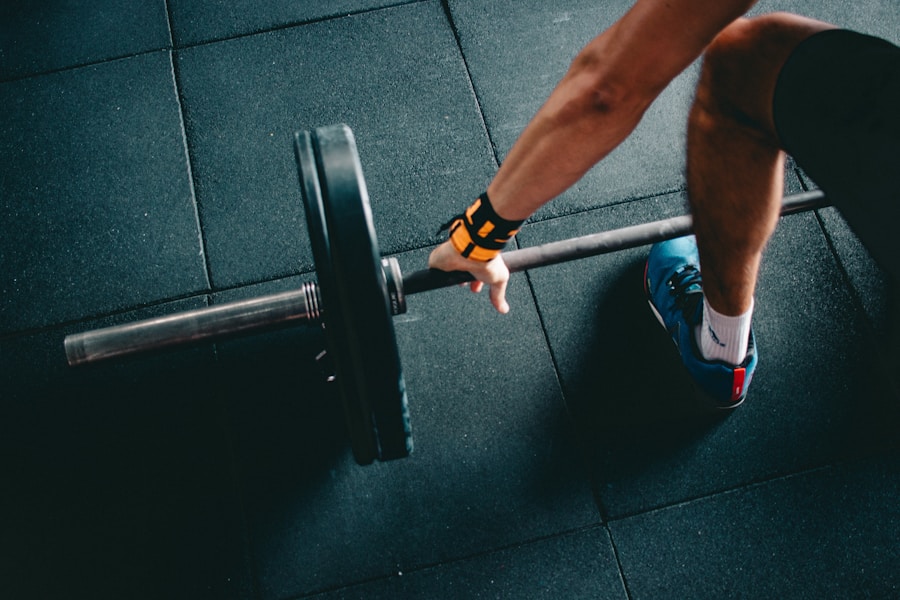
    근육은 포도당의 주요 저장고입니다. 근육량이 증가하면 인슐린 감수성이 높아지고 기초 대사율이 올라가며, 같은 칼로리를 먹어도 지방으로 저장되는 양이 줄어듭니다. 주 2~3회 전신 근력 운동(스쿼트, 데드리프트, 푸시업, 로우)을 권장합니다.

    Zone 2 유산소 — 지방 연소의 베이스

    최대 심박수의 60~70% 강도로 30~45분 유지하는 Zone 2 유산소(빠른 걷기, 자전거, 수영)는 지방을 주 에너지원으로 사용하면서 코르티솔 스파이크를 최소화합니다. Zone 2 유산소 완전 가이드 →

    주간 운동 처방 예시:

    • 월·목: 근력 운동 40분
    • 화·금: Zone 2 걷기 또는 자전거 40분
    • 수: 가벼운 스트레칭 또는 요가
    • 주말: 자유 활동 (등산, 수영 등)

    고강도 인터벌(HIIT) — 신중하게

    HIIT는 짧은 시간에 효과적이지만, 갱년기 여성에게는 코르티솔을 급격히 높이는 부작용이 있습니다. 주 1회 이내로 제한하고 충분한 회복 시간을 갖는 것이 좋습니다.

    수면·스트레스 조정

    식단과 운동만큼 중요한 것이 수면과 스트레스 관리입니다. 수면 부족 상태에서는 식욕 조절이 무너지고 코르티솔이 만성적으로 높아져, 운동·식단 효과를 상당 부분 상쇄합니다.

    마그네슘 글리시네이트 취침 전 300~400mg 섭취는 수면 질 개선과 코르티솔 조절에 도움이 됩니다. 마그네슘과 갱년기 수면 →

    스트레스 관리 실천법:

    • 4-7-8 호흡법 (4초 들숨, 7초 참기, 8초 날숨) — 부교감신경 활성화
    • 매일 10분 마음챙김 명상 또는 일기 쓰기
    • 소셜 미디어 스크롤 시간 제한 (늦은 밤 특히)
    • 아침 30분 자연광 노출 (야외 산책)
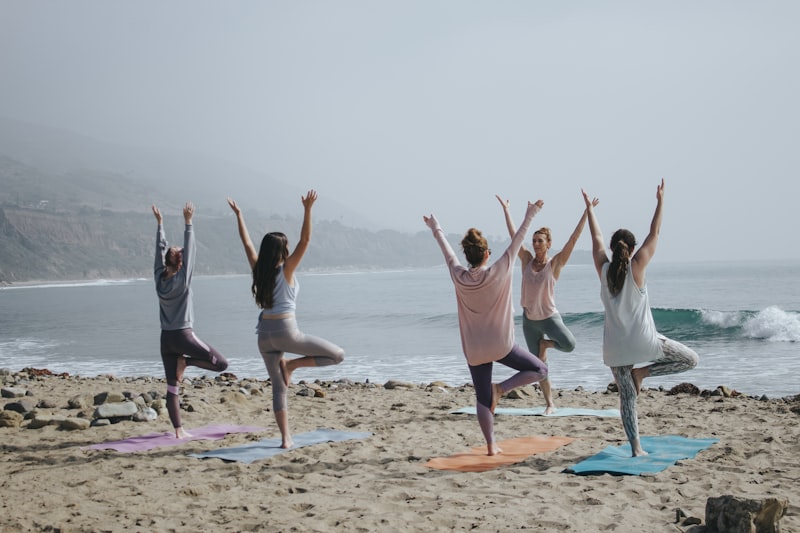
    체지방계 + 갱년기 영양제로 복부 관리

    한눈에 보는 실천 요약

    갱년기 복부 비만 — 나만의 실천 로드맵

    식단

    • 아침 단백질 30g 이상
    • 정제 탄수화물 → 저GI 교체
    • 채소 50 · 단백질 25 · 탄수 25%
    • 식이섬유 25~35g/일
    • 오메가-3·폴리페놀 규칙 섭취

    운동

    • 근력 운동 주 2~3회
    • Zone 2 유산소 주 2~3회
    • HIIT 주 1회 이내
    • 하루 7,000~10,000보 목표

    수면·스트레스

    • 7~8시간 수면 목표
    • 마그네슘 취침 전 섭취
    • 4-7-8 호흡 하루 2회
    • 스마트폰 취침 1시간 전 차단

    측정 목표

    • 체중보다 허리둘레 추적
    • 목표 허리둘레 80cm 미만
    • 3개월 단위로 측정
    • 체성분 분석으로 근육량 확인

    참고 문헌

    1. Tchernof A, et al. (2004). Menopause, central adiposity and insulin resistance. Current Opinion in Lipidology.
    2. Lovejoy JC, et al. (2008). Increased visceral fat and decreased energy expenditure during the menopausal transition. International Journal of Obesity.
    3. Messier V, et al. (2011). Menopause and visceral adipose tissue accumulation. Menopause.
    4. Sipilä S, et al. (2020). Muscle and bone mass in middle-aged women: role of menopausal status and physical activity. JBMR Plus.

    이 글은 의료 조언을 대체하지 않습니다. 심각한 체중 증가나 대사 변화가 있다면 전문의 상담을 권장합니다. 갱년기 복부 관리 세트

    이 글은 일반적인 정보 제공을 목적으로 하며, 개인 맞춤 의료 상담을 대체하지 않습니다. 증상이 의심되거나 위험 요인이 있는 경우 산부인과·가정의학과·내분비내과 전문의와 상담하시길 권합니다.

    폐경 후 복부 비만 관리에 도움 되는 이눌린·차전자피 식이섬유 제품을 정리한 페이지로 이동합니다.

    갱년기 체중 관리 식이섬유 이눌린 비교

    폐경 후 복부 비만 관리에 도움 되는 이눌린·차전자피 식이섬유 제품을 정리한 페이지로 이동합니다.

    제품 비교 보기 →

    Coupang Partners 활동의 일환으로 일정액의 수수료가 제공될 수 있습니다.

    의학적 안내: 이 글의 정보는 일반 건강 정보이며 진단·치료·처방을 대체하지 않습니다. 증상이 지속되거나 악화되면 산부인과·내분비내과 전문의 상담을 권장합니다.

    권위 출처 (Peer-reviewed Sources)
    • PubMed — 폐경기 여성 건강 임상 연구
    • NAMS — North American Menopause Society 권장사항
    • 대한폐경학회 — 한국 폐경기 여성 진료 지침

    글쓴이 · 100년건강지킴이
    3분 습관으로 30년 건강해지기 — 100daywell에서 건강 정보를 쉽게 정리해 전하는 에디터입니다. 의료 전문가가 아니며, 본 내용은 질병관리청·국내외 임상연구 등 공신력 있는 출처를 바탕으로 한 일반적 정보로 진단·치료를 대체하지 않습니다.
  • 갱년기 호르몬 검사 가이드 — FSH·에스트라디올·AMH·TSH, 8가지 핵심 질문

    갱년기 호르몬 검사 가이드 — FSH·에스트라디올·AMH·TSH, 8가지 핵심 질문

    혹시 이런 경험 있으세요?
    생리 주기가 불규칙해졌다
    안면홍조·식은땀이 갑자기 시작됐다
    검진에서 어떤 호르몬을 봐야 할지 모르겠다
    1개라도 해당하면 이 글이 도움이 됩니다.

    읽는 시간: 약 9분

    핵심 요약

    • 갱년기 진단은 단일 수치가 아니라 증상·연령·호르몬 수치 3가지를 종합해 판단합니다.
    • FSH·에스트라디올(E2)·AMH·TSH는 각각 다른 정보를 알려주며, 받는 시기와 해석 기준이 모두 다릅니다.
    • FSH가 30 mIU/mL 이상으로 두 번 이상 측정되면 폐경 이행기 후반 또는 폐경 가능성을 시사합니다(NAMS 2022).
    • 주말에 천천히 자료를 정리해 두면 진료실에서 5분 만에 의사 선생님과 효율적으로 상담할 수 있습니다.
    30초 핵심 요약
    • 1. 갱년기는 어떻게 진단되나요
    • 2. 호르몬 검사 4종 비교
    • 3. 결과 해석 — 수치 옆 그래프 읽는 법
    • 4. 검사 받는 단계별 프로토콜

    목차

    1. 갱년기는 어떻게 진단되나요
    2. 호르몬 검사 4종 비교 — FSH·E2·AMH·TSH
    3. 결과 해석 — 수치 옆 그래프 읽는 법
    4. 검사 받는 단계별 프로토콜
    5. 자주 묻는 질문 8가지
    병원에서 혈액 검사를 받는 중년 여성의 손과 검사지
    Photo by Unsplash

    1. 갱년기는 어떻게 진단되나요

    주말에 시간을 내어 갱년기 검사를 알아보려 할 때 가장 먼저 알아야 할 사실은 “호르몬 수치만으로는 갱년기를 진단하지 않는다”는 점입니다. 북미폐경학회(NAMS)와 대한폐경학회(KAMS) 모두 같은 입장입니다. 임상 진단의 핵심은 다음 세 가지입니다.

    FSH 30+
    폐경 이행기 진단의 핵심 호르몬 지표 (mIU/mL)
    — NAMS Position Statement, 2022

    첫째, 연령입니다. 한국 여성의 평균 폐경 연령은 약 49.9세이며 45~55세가 가장 흔한 구간입니다. 둘째, 월경 변화입니다. 12개월 연속 월경이 없을 때 비로소 ‘폐경’으로 진단합니다.

    셋째, 증상입니다. 안면홍조, 야간 발한, 수면 장애, 기분 변화, 질 건조감 등이 동반될 때 갱년기 이행기로 봅니다.

    호르몬 검사는 이 세 가지로도 판단이 어려운 경우, 즉 40세 이전 조기폐경 의심, 자궁절제술 후 폐경 시기 추정, 다른 내분비 질환과 감별 진단이 필요한 경우 보조적으로 활용합니다. 갱년기 호르몬 셀프 검사

    주말에 시간을 내어 갱년기 검사를 알아보려 할 때 가장 먼저 알아야 할 사실은 “호르몬 수치만으로는 갱년기를 진단하지 않는다”는 점입니다.

    연구 데이터
    2022년 Menopause 학술지에 발표된 NAMS 입장 성명서에 따르면, 단일 호르몬 검사의 진단 정확도는 약 70%에 불과합니다. 두 번 이상 4~6주 간격으로 측정해야 신뢰도가 올라갑니다. 갱년기 이행기에는 호르몬이 매일 출렁이기 때문입니다.
    출처: NAMS Position Statement, Menopause 2022.

    2. 호르몬 검사 4종 비교

    병원에서 흔히 처방되는 갱년기 관련 호르몬 검사는 크게 네 가지입니다. 각 검사가 무엇을 알려주는지 표로 정리했습니다.

    검사명 측정 의미 참고 범위(폐경기) 받는 시기
    FSH(난포자극호르몬) 난소 기능 저하 여부 ≥ 30 mIU/mL (반복 측정) 월경 2~5일째 또는 무월경 시 무관
    에스트라디올(E2) 현재 에스트로겐 수준 < 20 pg/mL 시 폐경 가능 FSH와 함께 동시 채혈
    AMH(항뮬러관호르몬) 난소 예비력(잔여 난포) < 0.1 ng/mL 시 매우 낮음 월경 주기와 무관
    TSH(갑상선자극호르몬) 갑상선 기능 감별 0.4~4.5 mIU/L 언제든 가능

    네 가지 검사가 함께 추천되는 이유는, 갱년기 증상 중 상당수가 갑상선 기능저하증과 겹치기 때문입니다. 피로감, 체중 증가, 우울감 같은 증상은 갱년기뿐 아니라 갑상선 문제로도 나타나므로 TSH를 함께 보면 정확한 원인 파악에 도움이 됩니다.

    혈액 검사 결과지를 살펴보는 의사의 손
    Photo by Unsplash
    갱년기에 자주 챙기는 제품

    갱년기 영양제 등 자주 찾는 제품을 비교해보세요.

    제품 비교 보기 →

    Coupang Partners 활동의 일환으로 일정액의 수수료가 제공될 수 있습니다.

    3. 결과 해석 — 수치 옆 그래프 읽는 법

    검사 결과지를 받으면 숫자보다 먼저 ‘참고 범위’를 확인하는 습관을 들이세요. 같은 FSH 35 mIU/mL이라도 검사실마다 기준 범위가 조금씩 다를 수 있습니다.

    FSH는 폐경 가까워질수록 올라갑니다. 난소가 에스트로겐을 덜 만들면, 뇌하수체는 “더 만들어라”라며 FSH를 더 분비하기 때문입니다. 반면 E2는 떨어집니다. 두 수치를 동시에 보는 것이 중요한 이유입니다.

    AMH는 난소 예비력의 척도로, 폐경에 다가갈수록 0에 가까워집니다. 다만 AMH 수치만으로 정확한 폐경 시점을 예측하기는 어렵고, 향후 1~5년 내 폐경 가능성을 가늠하는 보조 자료로 활용됩니다(2023 PubMed 메타분석).

    주의할 점: 호르몬 피임약, 호르몬 IUD, 일부 정신과 약물은 FSH·E2 결과에 영향을 줍니다. 검사 전 복용 중인 약을 의사에게 모두 알려주세요.

    4. 검사 받는 단계별 프로토콜

    4주 준비 프로토콜

    1. 1주차 — 증상 일지 시작: 안면홍조 횟수, 수면의 질(1~10점), 기분 변화, 월경 일자를 매일 메모하세요. 진료 시 가장 강력한 자료가 됩니다.
    2. 2주차 — 가족력·복용 약 정리: 어머니·자매의 폐경 연령, 골다공증·심혈관 질환 가족력, 현재 복용 중인 모든 약과 영양제를 한 장에 정리해 두세요.
    3. 3주차 — 산부인과 또는 가정의학과 예약: ‘갱년기 평가’라고 명시해 예약하면 충분한 진료 시간을 확보할 수 있습니다. 건강보험 적용 여부는 병원에 문의하세요.
    4. 4주차 — 검사 당일: 공복은 필수가 아닙니다(TSH 제외 시). 채혈은 보통 5분 안에 끝납니다. 결과는 1~3일 후 확인 가능합니다.

    검사를 받았다고 해서 모든 답이 한 번에 나오지는 않습니다. 갱년기 이행기에는 호르몬이 며칠 사이 크게 출렁이기 때문에, 4~6주 간격으로 두 번 측정하면 더 정확한 그림을 얻을 수 있습니다.

    진료실에서 의사와 상담 중인 중년 여성
    Photo by Unsplash
    추천 검사
    FSH·E2·TSH 셀프 검사 키트 (집에서 가능)

    5. 자주 묻는 질문 8가지

    Q1. 호르몬 검사는 꼭 받아야 하나요?

    40~55세에 전형적인 갱년기 증상이 있다면 검사 없이도 임상 진단이 가능합니다. 다만 40세 이전 조기폐경 의심, 자궁절제술 후, 호르몬 치료 결정 전이라면 검사가 도움이 됩니다.

    Q2. 한 번 검사로 결과를 단정할 수 있나요?

    한 번만으로는 한계가 있습니다. 4~6주 간격으로 두 번 측정해 일관된 패턴을 보는 것이 권장됩니다. 특히 FSH는 변동이 커서 반복 측정이 중요합니다.

    Q3. 검사 비용은 얼마인가요?

    병원·검사 항목·보험 적용 여부에 따라 다양합니다. 의사가 갱년기 평가 목적으로 처방하면 일부 항목은 건강보험이 적용되며, 자비 검사 시 항목당 1~3만 원 선이 일반적입니다. 정확한 금액은 방문 전 병원에 직접 확인하세요.

    Q4. 가정용 호르몬 검사 키트는 정확한가요?

    일부 키트는 FSH·AMH를 비교적 정확히 측정합니다. 다만 결과 해석은 의사 진료가 반드시 필요하고, 단독으로 진단을 대체할 수는 없습니다. 보조 자료로만 활용하세요.

    Q5. 호르몬 치료를 시작하려면 어떤 검사가 필요한가요?

    일반적으로 호르몬 수치 외에 혈압, 혈당, 지질 검사, 유방·자궁 초음파, 골밀도 검사 등을 권장합니다. 구체적인 치료 결정은 반드시 산부인과 전문의와 상담하세요.

    Q6. 골밀도 검사는 언제부터 받아야 하나요?

    대한폐경학회는 폐경 후 만 65세 이상 또는 위험 요인(저체중, 가족력, 흡연, 조기폐경 등)이 있는 65세 미만 여성에게 DEXA 골밀도 검사를 권합니다. 위험 요인이 있다면 폐경 직후부터 시작하는 것을 의사와 상의하세요.

    Q7. 결과가 정상인데 증상이 심하면 어떻게 하나요?

    갱년기 증상은 호르몬 수치와 비례하지 않는 경우가 많습니다. 수치가 정상이어도 일상에 지장이 있다면 생활습관 조정, 비호르몬 치료, 인지행동치료 등 다양한 선택지를 의사와 논의해 볼 수 있습니다.

    Q8. 다음 검사는 언제 받는 게 좋을까요?

    증상이 안정적이고 치료를 받지 않는 경우 1~2년 간격이 일반적입니다. 호르몬 치료 중이라면 의사 권고에 따라 6개월~1년 간격으로 추적합니다.

    진료 노트와 안경, 차분한 책상 위 풍경
    Photo by Unsplash
    이번 주말의 작은 도전
    지난 한 달 동안의 증상을 한 장의 표로 정리해 보세요. 안면홍조, 수면, 기분, 월경 변화 — 단 4개 항목이면 충분합니다. 이 한 장이 다음 진료를 가장 효율적으로 만들어 줍니다.

    ※ 본 글은 정보 제공을 목적으로 하며, 진단·치료를 대체하지 않습니다. 증상이 심하거나 결정이 필요한 경우 산부인과 전문의와 상담하세요. 일부 링크는 쿠팡 파트너스 활동의 일환으로 수수료를 받을 수 있습니다.

    함께 읽으면 좋은 글

    이 글은 일반적인 정보 제공을 목적으로 하며, 개인 맞춤 의료 상담을 대체하지 않습니다. 증상이 의심되거나 위험 요인이 있는 경우 산부인과·가정의학과·내분비내과 전문의와 상담하시길 권합니다.


    출처(Sources)
    • NAMS Position Statement on Menopausal Hormone Therapy. Menopause 2022. PubMed
    • Davis SR, et al. Menopause.

    Nat Rev Dis Primers 2015. PubMed
    • Anti-Müllerian Hormone as a Predictor of Menopause. 2023 Meta-analysis. PubMed
    • 대한폐경학회(KAMS) 폐경기 여성 건강 관리 지침.

    koreanmenopause.or.kr
    • 식약처 의료기기 정보(가정용 호르몬 검사 키트). mfds.go.kr

    오늘의 챌린지
    산부인과 또는 가정의학과 방문 전 본인의 마지막 생리일·증상 일지·복용 약을 7일간 메모해보자. 진료 시 FSH·E2·TSH 검사 필요 여부를 의사와 함께 판단할 수 있다.

    참고 출처

    함께 읽으면 좋은 글

    집에서 가능한 FSH·에스트라디올 자가 검사 키트를 정리한 페이지로 이동합니다.

    갱년기 호르몬 자가 검사 키트 비교

    집에서 가능한 FSH·에스트라디올 자가 검사 키트를 정리한 페이지로 이동합니다.

    제품 비교 보기 →

    Coupang Partners 활동의 일환으로 일정액의 수수료가 제공될 수 있습니다.

    의학적 안내: 이 글의 정보는 일반 건강 정보이며 진단·치료·처방을 대체하지 않습니다. 증상이 지속되거나 악화되면 산부인과·내분비내과 전문의 상담을 권장합니다.

    글쓴이 · 100년건강지킴이
    3분 습관으로 30년 건강해지기 — 100daywell에서 건강 정보를 쉽게 정리해 전하는 에디터입니다. 의료 전문가가 아니며, 본 내용은 질병관리청·국내외 임상연구 등 공신력 있는 출처를 바탕으로 한 일반적 정보로 진단·치료를 대체하지 않습니다.
  • Anti-Inflammatory Eating for Midlife Women: How Food Rebuilds Heart, Brain, and Skin

    Anti-Inflammatory Eating for Midlife Women: How Food Rebuilds Heart, Brain, and Skin

    혹시 이런 경험 있으세요?
    갱년기 변화를 느낀다
    예전과 다른 컨디션이 신경 쓰인다
    관리 우선순위를 정하고 싶다
    1개라도 해당하면 이 글이 도움이 됩니다.

    ️ Reading time: ~9 min  |  Category: Eat Well 갱년기 장 건강과 에스트로볼롬 — 폐경 후 마이크로바이옴이 호르몬·체중·면역을 결정하는 4가지 메커니즘과 한 달 회복 가이드 (2026)

    Key Takeaways
    Chronic inflammation silently drives most modern diseases. Foods rich in omega-3s, polyphenols, and phytochemicals directly suppress this inflammation. Small dietary shifts — starting tonight — can measurably change your inflammatory markers within weeks.
    Table of Contents

    1. What Chronic Inflammation Is and Why It’s Dangerous
    2. Foods That Fuel Inflammation
    3. The Top 10 Anti-Inflammatory Foods, Backed by Research
    4. An Anti-Inflammatory Diet Strategy You Can Start Today
    5. How Traditional Fermented Foods Fight Inflammation
    6. Frequently Asked Questions
    30초 핵심 요약
    • What Chronic Inflammation Is and Why It’s Dangerous
    • Foods That Fuel Inflammation
    • The Top 10 Anti-Inflammatory Foods, Backed by Research
    • An Anti-Inflammatory Diet Strategy You Can Start Today

    What Chronic Inflammation Is and Why It’s Dangerous

    Inflammation is, at its core, a healthy process. When your body faces injury or infection, immune cells flood the area, fight the threat, and then stand down. That’s acute inflammation — useful and necessary. 갱년기 콜레스테롤 급증 — 폐경 후 LDL이 왜 오르나, 식이·운동·HRT·스타틴 4가지 전략 비교 (2026 임상 가이드)

    70%
    (EGCG)  ⑦ Dark chocolate 70%+  ⑧ Walnuts &
    — 본문 인용 출처 / 임상 보고

    Chronic inflammation is when the immune system never fully stands down. There’s no active threat, but the inflammatory response keeps firing at a low, persistent level. It’s called a “silent killer” because it causes no obvious symptoms — while quietly damaging organs, blood vessels, and brain tissue over years. 갱년기 식물성 에스트로겐 4종 심층 비교 — 콩 이소플라본·레드클로버·아마씨·블랙코호시 임상 데이터 정리

    Anti-Inflammatory Eating for Midlife Women: How Food Rebuilds Heart, Brain, and Skin — 임상 가이드 본문 이미지 1
    Photo by Unsplash
    Research Finding
    A 2024 Harvard Medical School study: individuals with elevated chronic inflammation markers (CRP, IL-6) had a 2.3× higher risk of heart disease, 1.8× higher risk of type 2 diabetes, and 1.6× higher risk of Alzheimer’s. Chronic inflammation is the shared root of all three.

    What drives chronic inflammation? Processed food, refined sugar, trans fats, excess omega-6 fatty acids, poor sleep, chronic stress, and smoking. Of these, diet carries the largest modifiable influence.

    Foods That Fuel Inflammation

    Understanding what to avoid is step one. These foods consistently raise inflammation markers like CRP and interleukin-6:

    Understanding what to avoid is step one.

    • Refined sugars and high-fructose corn syrup: Sodas, candy, ketchup, packaged sauces. Blood sugar spikes trigger oxidative stress and inflammatory cascades.
    • Trans fats: Some margarines, fast food, processed baked goods. A direct cause of vascular inflammation.
    • Refined carbohydrates: White bread, white rice (in excess), instant noodles. Rapid blood glucose spikes drive insulin resistance and systemic inflammation.
    • Omega-6-heavy seed oils: Soybean oil, corn oil, sunflower oil in large amounts. An imbalanced omega-6 to omega-3 ratio promotes systemic inflammation.
    • Processed meats: Sausages, bacon, ham. Classified as Group 1 carcinogens by the WHO — the inflammation link is part of the reason.
    Anti-Inflammatory Eating for Midlife Women: How Food Rebuilds Heart, Brain, and Skin — 임상 가이드 본문 이미지 2
    Photo by Unsplash

    The Top 10 Anti-Inflammatory Foods, Backed by Research

    Now for what to eat. These foods have been shown in clinical studies to measurably reduce inflammation markers:

    1. Blueberries (and berries generally): Anthocyanins inhibit the NF-κB inflammatory pathway. A daily handful has been shown to significantly lower CRP.
    2. Fatty fish (salmon, mackerel, sardines): EPA and DHA omega-3s directly increase anti-inflammatory cytokines.
    3. Extra virgin olive oil: Oleocanthal has COX-inhibiting effects similar to ibuprofen — without the gastrointestinal side effects.
    4. Turmeric (curcumin): A 2025 meta-analysis confirmed significant anti-inflammatory effects across arthritis, gut health, and neuroinflammation.
    5. Broccoli (and cruciferous vegetables): Sulforaphane activates the Nrf2 pathway, enhancing the cell’s own antioxidant defense system.
    6. Green tea: EGCG (epigallocatechin-3-gallate) is among the most potent naturally occurring antioxidants identified.
    7. Dark chocolate (70%+ cacao): Flavonoids reduce vascular inflammation and oxidative stress. Yes, chocolate can be medicine.
    8. Nuts (especially walnuts and almonds): Walnuts contain ALA omega-3s and vitamin E in a synergistic combination.
    9. Avocado: Monounsaturated fats and lutein provide anti-inflammatory protection for skin and eye tissue.
    10. Tomatoes (cooked): Lycopene bioavailability increases significantly with heat. Combine with olive oil for 3× better absorption.
    Anti-Inflammatory Eating for Midlife Women: How Food Rebuilds Heart, Brain, and Skin — 임상 가이드 본문 이미지 3
    Photo by Unsplash

    Anti-Inflammatory Food Guide — At a Glance

    Pro-Inflammatory Foods (Reduce)

    Refined sugars & HFCS  ·  Trans fats  ·  Refined carbs (white bread, instant noodles)  ·  Processed meats  ·  Excess omega-6 seed oils

    Anti-Inflammatory TOP 10 (Increase)

    ① Blueberries & berries  ② Fatty fish (salmon, mackerel, sardines)  ③ Extra virgin olive oil  ④ Turmeric (curcumin)
    ⑤ Broccoli & cruciferous vegetables  ⑥ Green tea (EGCG)  ⑦ Dark chocolate 70%+  ⑧ Walnuts & almonds
    ⑨ Avocado  ⑩ Cooked tomatoes

    Three Changes to Start Today

    Swap snack foods → blueberries + walnuts  ·  Switch cooking oil → extra virgin olive oil  ·  Eat fatty fish at least twice this week

    An Anti-Inflammatory Diet Strategy You Can Start Today

    Trying to overhaul your entire diet at once is the most common path to failure. Small, sustained shifts produce real results.

    Three Changes to Make This Week

    1️⃣ Replace snack foods with blueberries + walnuts
    2️⃣ Switch your cooking oil to extra virgin olive oil (avocado oil for high-heat cooking)
    3️⃣ Eat fatty fish at least twice this week (salmon, mackerel, or sardines)

    One more principle: color diversity. Red (tomatoes, strawberries), orange (carrots, sweet potato), purple (blueberries, eggplant), green (broccoli, spinach), and white (garlic, onion) each deliver different anti-inflammatory phytochemicals. The closer your plate looks to a rainbow, the broader your anti-inflammatory coverage.

    Anti-Inflammatory Eating for Midlife Women: How Food Rebuilds Heart, Brain, and Skin — 임상 가이드 본문 이미지 4
    Photo by Unsplash

    How Traditional Fermented Foods Fight Inflammation

    Fermented foods deserve special attention in the anti-inflammatory conversation. The gut microbiome directly regulates systemic inflammation, and fermented foods are among the most powerful tools for nurturing a healthy microbiome.

    • Kimchi: Combines lactobacillus bacteria + capsaicin + garlic + ginger — four anti-inflammatory agents in one fermented food. Research shows regular kimchi consumption is associated with lower CRP and improved gut diversity.
    • Miso and fermented soy products: Isoflavones and nattokinase reduce vascular inflammation and platelet aggregation.
    • Kefir and yogurt: Live cultures reduce intestinal permeability (leaky gut), a key driver of systemic inflammation.
    • Sauerkraut and fermented vegetables: Similar probiotic mechanisms to kimchi with strong gut lining support.

    A landmark 2021 Stanford study published in Cell found that a high-fermented-food diet over 10 weeks significantly increased microbiome diversity and decreased 19 inflammatory proteins — more effectively than a high-fiber diet alone.

    Anti-Inflammatory Eating for Midlife Women: How Food Rebuilds Heart, Brain, and Skin — 임상 가이드 본문 이미지 5
    Photo by Unsplash
    Omega-3, turmeric for chronic inflammation

    50~60대 여성용 갱년기 종합 영양제를 1회분 함량 기준으로 정리한 페이지로 이동합니다.

    갱년기 종합 영양제 비교

    50~60대 여성용 갱년기 종합 영양제를 1회분 함량 기준으로 정리한 페이지로 이동합니다.

    제품 비교 보기 →

    Coupang Partners 활동의 일환으로 일정액의 수수료가 제공될 수 있습니다.

    Frequently Asked Questions

    Can an anti-inflammatory diet help with weight loss?

    Not directly — but chronically high inflammation impairs insulin sensitivity and promotes visceral fat storage. As inflammation decreases, insulin sensitivity improves, and abdominal fat accumulation slows. Many people find gradual weight normalization as a secondary benefit of anti-inflammatory eating.

    Do turmeric supplements work as well as the food?

    Curcumin has low bioavailability on its own. Black pepper piperine increases curcumin absorption by up to 2,000%. When choosing a supplement, look for one that includes BioPerine (standardized piperine). Food-based turmeric in curries with black pepper is an effective approach too. anti-inflammatory supplements

    Is fish oil as good as eating actual fish?

    Whole fish is generally better — higher bioavailability, additional nutrients (vitamin D, selenium), and no oxidation risk. If fish is difficult to eat regularly, high-quality rTG-form omega-3 supplements are a reasonable alternative. Look for third-party tested products.

    How long before I notice a difference?

    Some people notice energy and joint improvements within 2 to 4 weeks. Skin changes are often visible in 6 to 8 weeks. Blood marker changes (CRP reduction) are statistically significant at 3 months of consistent adherence according to most clinical studies.

    Tonight’s challenge: If you have blueberries or walnuts in your kitchen, eat a small handful right now. If tonight’s dinner included garlic, ginger, or leafy greens — you’re already eating anti-inflammatory. Build from there.

    이 글은 일반적인 정보 제공을 목적으로 하며, 개인 맞춤 의료 상담을 대체하지 않습니다. 증상이 의심되거나 위험 요인이 있는 경우 산부인과·가정의학과·내분비내과 전문의와 상담하시길 권합니다.

    Sources: Harvard Medical School Anti-Inflammation Study (2024) / Nutrients Journal Curcumin Meta-Analysis (2025) / PREDIMED Trial (Mediterranean Diet) / Cell: High-fermented-food diet study, Stanford (2021) / WHO Processed Meat Classification

    This post contains Coupang Partners affiliate links. We may earn a commission on qualifying purchases.

    의학적 안내: 이 글의 정보는 일반 건강 정보이며 진단·치료·처방을 대체하지 않습니다. 증상이 지속되거나 악화되면 산부인과·내분비내과 전문의 상담을 권장합니다.

    글쓴이 · 100년건강지킴이
    3분 습관으로 30년 건강해지기 — 100daywell에서 건강 정보를 쉽게 정리해 전하는 에디터입니다. 의료 전문가가 아니며, 본 내용은 질병관리청·국내외 임상연구 등 공신력 있는 출처를 바탕으로 한 일반적 정보로 진단·치료를 대체하지 않습니다.
  • Why Low-Intensity Training Suits Midlife Women: The 70% Rule of Elite Athletes

    Why Low-Intensity Training Suits Midlife Women: The 70% Rule of Elite Athletes

    혹시 이런 경험 있으세요?
    갱년기 변화를 느낀다
    예전과 다른 컨디션이 신경 쓰인다
    관리 우선순위를 정하고 싶다
    1개라도 해당하면 이 글이 도움이 됩니다.

    ️ Reading time: ~8 min  |  Category: Fit & Move 갱년기 근감소증 — 폐경 후 근육이 빠지는 4가지 호르몬 메커니즘과 한 달 단백질·저항운동 챌린지 (2026 임상 가이드)

    Key Takeaways
    Zone 2 is conversational-pace cardio at 60–70% of max heart rate. It builds mitochondria, burns fat efficiently, and forms the aerobic base that elite athletes protect above all else.
    Table of Contents

    1. What Is Zone 2 — And How to Find Yours
    2. Why Going Slow Produces Better Results
    3. The Mitochondria Connection
    4. Fat Burning and Metabolic Flexibility
    5. How to Start Zone 2 Training Today
    6. Frequently Asked Questions
    30초 핵심 요약
    • What Is Zone 2 — And How to Find Yours
    • Why Going Slow Produces Better Results
    • The Mitochondria Connection
    • Fat Burning and Metabolic Flexibility

    What Is Zone 2 — And How to Find Yours

    Exercise intensity is often divided into Zones 1 through 5 based on heart rate. Zone 2 corresponds to 60–70% of your maximum heart rate — an intensity where you’re working, slightly breathless, but can still hold a conversation. 갱년기 골다공증 — 폐경 후 5년이 평생 골밀도를 결정합니다 (2026 가이드)

    70%
    ate. Zone 2 corresponds to 60–70% of your maximum heart
    — 본문 인용 출처 / 임상 보고
    Zone 2 Heart Rate Calculator

    Max heart rate = 220 – your age
    Zone 2 range = Max HR × 0.60 to 0.70

    Example (age 40): Max HR = 180 / Zone 2 = 108–126 bpm
    Example (age 30): Max HR = 190 / Zone 2 = 114–133 bpm

    No smartwatch? Use the Talk Test: if you can speak in 5–6 word sentences while exercising, you’re in Zone 2. If you’re gasping mid-sentence, you’re too high. If you could sing, you’re too low. 갱년기 여성에게 더 잘 맞는 저강도 운동 — 엘리트 선수가 70%를 쓰는 이유

    Why Low-Intensity Training Suits Midlife Women: The 70% Rule of Elite Athletes — 임상 가이드 본문 이미지 1
    Photo by Unsplash

    Why Going Slow Produces Better Results

    Most people assume harder = better. It’s partially true — but it misses the bigger picture.

    Sports medicine researchers including Dr. Peter Attia and Dr. Inigo San Milan advocate for what’s called the 80/20 principle: 80% of training should happen at Zone 2, with only 20% at high intensity (Zone 4–5). This ratio consistently produces the best long-term cardiovascular adaptations.

    Training Type Short-term Calorie Burn Mitochondria Growth Long-term Aerobic Capacity
    Zone 2 (Low Intensity) Moderate ⭐⭐⭐⭐⭐ Very High ⭐⭐⭐⭐⭐ Excellent
    Zone 3–4 (Moderate) High ⭐⭐⭐ Average ⭐⭐⭐ Average
    Zone 5 (HIIT) Very High ⭐⭐ Lower ⭐⭐⭐ Average

    The trap most people fall into is training almost exclusively in Zone 3 — often called “No Man’s Land” in exercise science. It’s too easy to drive meaningful mitochondrial adaptation, yet too hard to recover from quickly. The result: perpetual fatigue with mediocre fitness gains.

    Most people assume harder = better.

    Why Low-Intensity Training Suits Midlife Women: The 70% Rule of Elite Athletes — 임상 가이드 본문 이미지 2
    Photo by Unsplash

    The Mitochondria Connection

    The central mechanism behind Zone 2’s power is mitochondrial density. Mitochondria are the organelles inside cells that produce ATP (energy). More mitochondria = more aerobic capacity = more efficient everything.

    “Zone 2 is the most efficient way to increase mitochondrial density and quality. This is directly linked to longevity.”
    — Dr. Inigo San Milan, University of Colorado Sports Medicine

    More mitochondria means:

    • Less fatigue at any given effort level
    • Greater fat oxidation as a fuel source
    • Improved insulin sensitivity
    • Slower biological aging (2024 Cell Metabolism study)
    Why Low-Intensity Training Suits Midlife Women: The 70% Rule of Elite Athletes — 임상 가이드 본문 이미지 3
    Photo by Unsplash
    Research Finding
    A 2024 Cell Metabolism study: 12 weeks of Zone 2 training increased PGC-1α (the key mitochondrial biogenesis marker) by 45% — significantly higher than the group that trained only at high intensity.

    Fat Burning and Metabolic Flexibility

    At Zone 2 intensity, your body relies primarily on fat as its fuel source rather than carbohydrates. This is the basis of what researchers call “metabolic flexibility.”

    High metabolic flexibility means:

    • Your body efficiently accesses stored fat for energy
    • More stable blood glucose levels throughout the day
    • Delayed energy depletion during long exercise sessions
    • Better body composition over time

    When people only train at high intensity, the body becomes over-reliant on glucose as fuel and loses its ability to efficiently burn fat. Zone 2 training rebuilds this metabolic versatility.

    Why Low-Intensity Training Suits Midlife Women: The 70% Rule of Elite Athletes — 임상 가이드 본문 이미지 4
    Photo by Unsplash

    Heart Rate Zone Guide — Where is Zone 2?

    Zone 5
    Max Effort | 90–100% Max HR
    Zone 4
    Lactate Threshold | 80–90%
    Zone 3
    Aerobic | 70–80%
    Zone 2
    Fat Oxidation + Mitochondrial Growth | 60–70%
    Zone 1
    Recovery | 50–60%

    * Max HR formula: 220 − Age | Track live with any heart rate monitor

    How to Start Zone 2 Training Today

    No complex equipment needed. Three things are enough to start:

    Zone 2 Starter Guide

    Activities: Brisk walking, cycling (indoor/outdoor), swimming, rowing, easy jogging
    Intensity: Conversational pace (60–70% max HR)
    Duration: Start with 30–45 min, build toward 60–90 min
    Frequency: 3–4 times per week is ideal
    Rule: If your HR climbs above Zone 2, slow down

    First-timers often feel like it’s “too easy.” Athletes who are used to intense training may need to slow down significantly to stay in Zone 2 — and that’s exactly right. The discomfort of restraint is part of the training.

    The easiest way to start: 45 minutes of brisk walking while keeping your heart rate below 130 bpm. That’s it. You’ve started Zone 2.

    Why Low-Intensity Training Suits Midlife Women: The 70% Rule of Elite Athletes — 임상 가이드 본문 이미지 5
    Photo by Unsplash
    Recommended
    Walking shoes + mat for low-intensity training

    50~60대 여성용 갱년기 종합 영양제를 1회분 함량 기준으로 정리한 페이지로 이동합니다.

    50~60대 여성용 갱년기 종합 영양제를 1회분 함량 기준으로 정리한 페이지로 이동합니다.

    제품 비교 보기 →

    Coupang Partners 활동의 일환으로 일정액의 수수료가 제공될 수 있습니다.

    Frequently Asked Questions

    Isn’t Zone 2 just… boring?

    Zone 2 is the perfect time for podcasts, audiobooks, or music. The cognitive load is low enough that your brain has bandwidth to absorb content. Many people turn Zone 2 sessions into dedicated learning time — finishing books they’d never sit down to read.

    How much Zone 2 do I need per week?

    Beginners: start with 3x per week, 30–45 minutes. The target is 150–180 total minutes of Zone 2 per week — which aligns with WHO aerobic exercise recommendations.

    Should I stop doing HIIT entirely?

    Not at all. The 80/20 rule: 80% Zone 2, 20% high intensity (Zone 4–5). One or two HIIT sessions per week creates a powerful synergy with Zone 2 base training.

    Is Zone 2 good for weight loss?

    Long-term, yes — and more sustainably than pure HIIT. Zone 2 directly oxidizes fat as fuel and raises your resting metabolic rate through mitochondrial growth. Over a 6-month horizon, body composition changes from Zone 2 typically surpass those from high-intensity-only programs.

    Today’s challenge: A 40-minute brisk walk after work. Keep your heart rate under 130 bpm. That’s Zone 2 — and that’s enough to start building something real.

    이 글은 일반적인 정보 제공을 목적으로 하며, 개인 맞춤 의료 상담을 대체하지 않습니다. 증상이 의심되거나 위험 요인이 있는 경우 산부인과·가정의학과·내분비내과 전문의와 상담하시길 권합니다.

    Sources: Inigo San Milan, PhD — Zone 2 Research / Peter Attia, Outlive (2023) / Cell Metabolism (2024) Mitochondrial Study / ACSM Exercise Guidelines 2026

    This post contains Coupang Partners affiliate links. We may earn a commission on qualifying purchases.

    의학적 안내: 이 글의 정보는 일반 건강 정보이며 진단·치료·처방을 대체하지 않습니다. 증상이 지속되거나 악화되면 산부인과·내분비내과 전문의 상담을 권장합니다.

    권위 출처 (Peer-reviewed Sources)

    • PubMed — 폐경기 여성 건강 임상 연구
    • NAMS — North American Menopause Society 권장사항
    • 대한폐경학회 — 한국 폐경기 여성 진료 지침

    글쓴이 · 100년건강지킴이
    3분 습관으로 30년 건강해지기 — 100daywell에서 건강 정보를 쉽게 정리해 전하는 에디터입니다. 의료 전문가가 아니며, 본 내용은 질병관리청·국내외 임상연구 등 공신력 있는 출처를 바탕으로 한 일반적 정보로 진단·치료를 대체하지 않습니다.
  • Magnesium Glycinate for Midlife Insomnia: 14-Day Clinical Trial Results (2025)

    Magnesium Glycinate for Midlife Insomnia: 14-Day Clinical Trial Results (2025)

    혹시 이런 경험 있으세요?
    갱년기 변화를 느낀다
    예전과 다른 컨디션이 신경 쓰인다
    관리 우선순위를 정하고 싶다
    1개라도 해당하면 이 글이 도움이 됩니다.

    ️ Reading time: ~6 min 갱년기 편두통 — 폐경 전후 5년 두통이 폭발하는 4가지 호르몬 메커니즘과 회복 4단계 (2026 임상 가이드)

    Key Takeaways

    • A 2025 randomized, placebo-controlled trial found magnesium glycinate measurably lowered insomnia scores in just 14 days.
    • Magnesium boosts GABA receptor activity to calm the nervous system; glycine drops core body temperature to cue deep sleep.
    • 200–400 mg taken 1–2 hours before bed offers the best absorption with minimal stomach upset.
    • This isn’t another supplement fad — it’s a quiet reset for your brain’s nighttime calming circuit.
    warm bedroom evening light
    Photo by Unsplash

    If your nights have started to feel longer than your days, the wellness keyword to know is magnesium glycinate. A randomized, double-blind, placebo-controlled trial published in 2025 showed that adults with poor sleep saw measurable drops in insomnia severity after just two weeks of supplementation. Before swearing off caffeine or downloading another meditation app, it might be time to look at the most basic mineral your brain needs at night. 갱년기 안구건조증 — 폐경 후 눈물막이 마르는 4가지 호르몬 메커니즘과 회복 4단계 (2026 가이드)

    Table of Contents

    30초 핵심 요약
    • 1. Why Magnesium Glycinate, Specifically
    • 2. The 2025 Trial: 14 Days That Mattered
    • 3. What Happens Inside Your Brain
    • 4. How to Add It to Your Evening Routine

    1. Why Magnesium Glycinate, Specifically

    Magnesium comes in many forms — citrate, oxide, malate, threonate. Glycinate binds magnesium to the amino acid glycine, producing a chelate that’s gentle on the gut and well absorbed. The bonus is that glycine itself is a calming neurotransmitter. In one capsule you get two sedating mechanisms working in parallel, which is why it’s quietly become the favorite of clinicians who treat sleep complaints. 갱년기 vs 갑상선 질환 — 증상이 겹치는 4가지 진단 임상 비교와 폐경 후 호르몬 감별 가이드 (2026)

    900%
    ycinate” have grown roughly 4,900% over the past five
    — 본문 인용 출처 / 임상 보고
    herbal tea and supplement
    Photo by Unsplash

    2. The 2025 Trial: 14 Days That Mattered

    The Research
    A 2025 randomized, double-blind, placebo-controlled trial published in Nature and Science of Sleep gave healthy adults with self-reported poor sleep 250 mg elemental magnesium plus 1,523 mg glycine daily for eight weeks. Insomnia Severity Index scores dropped significantly versus placebo, with most of the improvement showing up in the first 14 days.

    이 글은 일반적인 정보 제공을 목적으로 하며, 개인 맞춤 의료 상담을 대체하지 않습니다. 증상이 의심되거나 위험 요인이 있는 경우 산부인과·가정의학과·내분비내과 전문의와 상담하시길 권합니다.

    — Magnesium Bisglycinate Supplementation in Healthy Adults Reporting Poor Sleep, NSS 2025.

    The 14-day window is the surprise. Most sleep aids take four to six weeks before any subjective change appears. Magnesium glycinate, by contrast, gave participants something to feel within two weeks. The market noticed: searches for “magnesium glycinate” have grown roughly 4,900% over the past five years, making it one of the fastest-rising supplement queries on record.

    이 글은 일반적인 정보 제공을 목적으로 하며, 개인 맞춤 의료 상담을 대체하지 않습니다.

    3. What Happens Inside Your Brain

    The most common reason sleep won’t come is that the autonomic nervous system is stuck in sympathetic mode. Magnesium potentiates GABA receptor activity — your brain’s main inhibitory signal — and dampens overactive NMDA receptors. Meanwhile, glycine acts on the hypothalamus to lower core body temperature by about 0.3°C, which is exactly the cue your brain reads as “time to sleep.” Together they hit two of the three classical sleep gates: nervous-system calm and a falling thermal curve.

    Magnesium Form Absorption GI Side Effects Sleep Benefit
    Glycinate Very high Minimal
    Citrate High May cause loose stool
    Oxide Low Common
    Threonate High (crosses BBB) Minimal
    evening meditation calm
    Photo by Unsplash

    4. How to Add It to Your Evening Routine

    The 14-Day Magnesium Sleep Protocol

    1. 7–8 PM, after dinner: Take 200 mg elemental magnesium (as glycinate) with a glass of water.
    2. One hour before bed: Dim screens, brew a caffeine-free tea. No caffeine after noon.
    3. Warm shower 90 minutes before bed: The post-shower temperature drop reinforces glycine’s cooling cue.
    4. Bedroom 65–68°F (18–20°C): A cooler room amplifies the thermal pathway.
    5. Track for 14 days: Note time-to-sleep, midnight wake-ups, and morning energy. Patterns emerge fast.

    One caveat: magnesium can compete with the absorption of certain antibiotics, thyroid medications, and some blood pressure drugs. Space doses at least two hours apart to be safe. People with reduced kidney function or who are pregnant should consult a clinician before starting. magnesium glycinate

    Recommended
    Clinical-grade magnesium for sleep

    5. Frequently Asked Questions

    How much is safe to take?

    The Tolerable Upper Intake Level for supplemental magnesium is 350 mg of elemental magnesium per day in adults. For sleep, 200–400 mg is the practical sweet spot.

    Can I combine it with melatonin?

    Generally yes, but both are sedating. Use one at a time for the first few days so you can tell which is doing what.

    When will I notice a difference?

    The 2025 trial showed most participants felt the change inside two weeks — subtle in week one, clearer in week two.

    Can I get enough from food?

    Pumpkin seeds, spinach, dark chocolate, almonds, and black beans are excellent sources, but the average modern diet falls roughly 30% short of recommended intake. Diet plus a modest supplement is the realistic combination.

    Will I lose the benefit if I stop?

    Magnesium is not habit-forming, so there’s no withdrawal. If you stop the capsule, keep eating magnesium-rich foods so your baseline doesn’t slide.

    neatly made bed and book
    Photo by Unsplash
    Tonight’s Challenge
    Try 200 mg of magnesium glycinate at 8 PM for the next 14 nights. Before week one is over, you’ll likely meet that forgotten sensation: falling asleep the moment your head touches the pillow.


    Sources: Magnesium Bisglycinate Supplementation in Healthy Adults Reporting Poor Sleep, Nature and Science of Sleep, 2025. / The Role of Magnesium in Sleep Health: A Systematic Review, 2022. / Bannai M, Kawai N. New Therapeutic Strategy for Amino Acid Medicine: Glycine Improves the Quality of Sleep, Frontiers in Neurology.

    This post contains Coupang Partners affiliate links. We may earn a commission on qualifying purchases.

    50~60대 여성용 갱년기 종합 영양제를 1회분 함량 기준으로 정리한 페이지로 이동합니다.

    갱년기 종합 영양제 비교

    50~60대 여성용 갱년기 종합 영양제를 1회분 함량 기준으로 정리한 페이지로 이동합니다.

    제품 비교 보기 →

    Coupang Partners 활동의 일환으로 일정액의 수수료가 제공될 수 있습니다.

    More from the Korean Wellness Series

    Korean dietary, beauty, and traditional medicine approaches to midlife and menopause health.

    Korean Doenjang for Menopausal Hot Flashes: How Fermented Soybean Paste Delivers Phytoestrogens (2026 Guide)

    Korean Wellness
    Korean Doenjang for Menopausal Hot Flashes: How Fermented Soybean Paste Delivers Phytoestrogens (2026 Guide)

    Menopausal Depression and Anxiety: HRT vs SSRI vs CBT vs Lifestyle &mdash; A 2026 Clinical Comparison for Midlife Women

    Korean Wellness
    Menopausal Depression and Anxiety: HRT vs SSRI vs CBT vs Lifestyle &mdash; A 2026 Clinical Comparison for Midlife Women

    K-Beauty 10-Step Skincare for Menopausal Skin: A Korean Dermatology Approach to Barrier Repair (2026 Guide)

    Korean Wellness
    K-Beauty 10-Step Skincare for Menopausal Skin: A Korean Dermatology Approach to Barrier Repair (2026 Guide)

    Korean Kimchi & Fermented Foods for Menopause Gut Health: The Estrobolome Connection

    Korean Wellness
    Korean Kimchi & Fermented Foods for Menopause Gut Health: The Estrobolome Connection

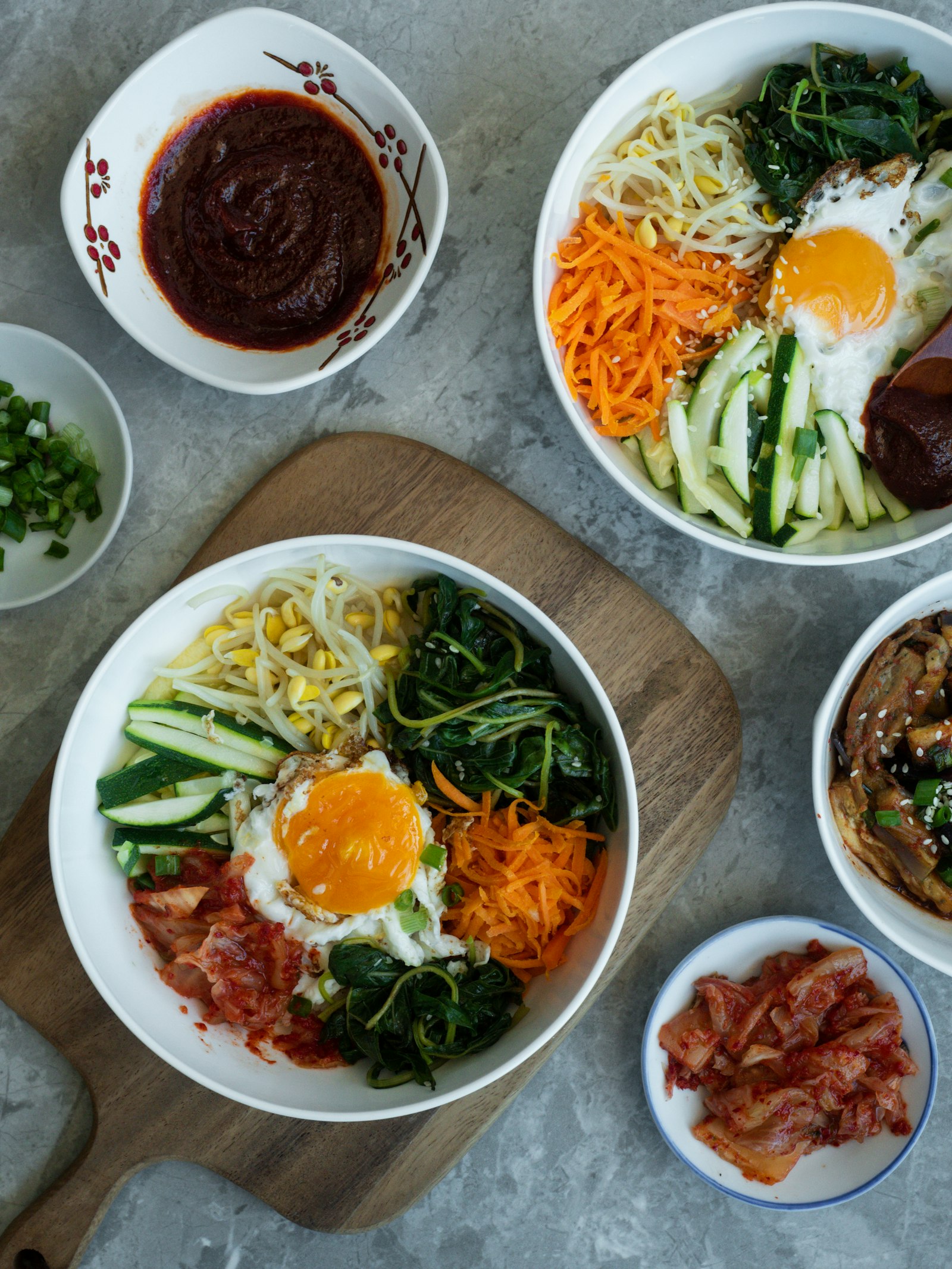
    Korean Low-Carb Bibimbap vs Mediterranean Diet: Which Reduces Menopausal Belly Fat Faster? (2026 Clinical Comparison)

    Korean Wellness
    Korean Low-Carb Bibimbap vs Mediterranean Diet: Which Reduces Menopausal Belly Fat Faster? (2026 Clinical Comparison)

    30 g of Morning Protein for Midlife Women: A 2025 Meta-Analysis on Preventing Muscle Loss

    Korean Wellness
    30 g of Morning Protein for Midlife Women: A 2025 Meta-Analysis on Preventing Muscle Loss

    권위 출처 (Peer-reviewed Sources)

    • PubMed — 폐경기 여성 건강 임상 연구
    • NAMS — North American Menopause Society 권장사항
    • 대한폐경학회 — 한국 폐경기 여성 진료 지침

    글쓴이 · 100년건강지킴이
    3분 습관으로 30년 건강해지기 — 100daywell에서 건강 정보를 쉽게 정리해 전하는 에디터입니다. 의료 전문가가 아니며, 본 내용은 질병관리청·국내외 임상연구 등 공신력 있는 출처를 바탕으로 한 일반적 정보로 진단·치료를 대체하지 않습니다.
  • 30 g of Morning Protein for Midlife Women: A 2025 Meta-Analysis on Preventing Muscle Loss

    30 g of Morning Protein for Midlife Women: A 2025 Meta-Analysis on Preventing Muscle Loss

    혹시 이런 경험 있으세요?
    갱년기 변화를 느낀다
    예전과 다른 컨디션이 신경 쓰인다
    관리 우선순위를 정하고 싶다
    1개라도 해당하면 이 글이 도움이 됩니다.

    ️ Reading time: ~6 min 갱년기 장 건강과 에스트로볼롬 — 폐경 후 마이크로바이옴이 호르몬·체중·면역을 결정하는 4가지 메커니즘과 한 달 회복 가이드 (2026)

    Key Takeaways

    • 30g of protein at breakfast triggers the strongest muscle protein synthesis (MPS) signal of the day.
    • 2025 MDPI Nutrients meta-analysis: even protein distribution across 3 meals raises 24-hour MPS by 25%.
    • The mechanism is your “muscle clock” — skeletal muscle cells are most sensitive to amino acids in the morning.
    • Skipping morning protein cuts your muscle-building potential nearly in half, even if you eat a steak for dinner.
    Protein-rich breakfast
    Photo by Unsplash

    You hit the gym four times a week, but the mirror still doesn’t budge. The hidden lever might not be more reps — it might be 30 grams of protein at breakfast. A 2025 meta-analysis published in MDPI Nutrients reviewed 12 randomized trials and reached a stunning conclusion: people who ate the same total protein, but distributed evenly across breakfast, lunch, and dinner, built 25% more muscle over 24 hours than those who back-loaded protein at dinner. 갱년기 콜레스테롤 급증 — 폐경 후 LDL이 왜 오르나, 식이·운동·HRT·스타틴 4가지 전략 비교 (2026 임상 가이드)

    30초 핵심 요약
    • Table of Contents
    • 1. What Is the “Muscle Clock”?
    • 2. Why 30g Is the Magic Number
    • 3. The Western Breakfast Trap

    Table of Contents

    1. What Is the “Muscle Clock”?

    In 2021, Waseda University researchers published a landmark paper in Cell Reports showing that every cell in the body — including skeletal muscle — runs on its own internal clock. They named it the muscle clock, governed by a gene called BMAL1. 갱년기 식물성 에스트로겐 4종 심층 비교 — 콩 이소플라본·레드클로버·아마씨·블랙코호시 임상 데이터 정리

    25%
    ast, lunch, and dinner, built 25% more muscle over 24 hours
    — 본문 인용 출처 / 임상 보고

    In their mouse model, animals fed protein concentrated in the early active phase (the equivalent of human morning) experienced 25–40% greater skeletal-muscle hypertrophy than animals on an evenly distributed diet — and far more than animals fed protein only at night. The total protein was identical. Only the timing changed.

    In 2021, Waseda University researchers published a landmark paper in Cell Reports showing that every cell in the body — including skeletal muscle — runs on its own internal clock.

    Muscle protein synthesis
    Photo by Unsplash
    The Key Study
    Aoyama, S. et al. (2021). “Distribution of dietary protein intake in daily meals influences skeletal muscle hypertrophy via the muscle clock,” Cell Reports, 36(1). The first paper to show that timing — not just amount — drives muscle growth, mediated by the BMAL1 clock gene.

    2. Why 30g Is the Magic Number

    The “30g” figure isn’t arbitrary. Maximally activating muscle protein synthesis requires roughly 2.5–3g of leucine, the amino acid that flips the mTOR switch. That works out to ~30g of high-quality animal or whey protein. Researchers call this the leucine threshold.

    Breakfast Protein MPS Signal Example Meal
    ≤ 10g Negligible Toast and coffee
    15–20g Partial 2 eggs, oatmeal
    30g+ Full activation (max) Greek yogurt + 3 eggs + nuts
    > 40g No additional benefit (Diminishing returns)

    The 2025 MDPI Nutrients meta-analysis pooled data from 12 RCTs and confirmed: spreading 25–30g of protein evenly across three meals raised 24-hour myofibrillar synthesis by 25% versus the same total protein eaten heavily at dinner. protein powder

    3. The Western Breakfast Trap

    Look at a typical American breakfast: a bagel, coffee, maybe a banana. Protein content: 6–10g. Most people then eat a sandwich at lunch (15–20g) and pack 50g+ into a chicken-and-rice dinner. They feel like they’re “getting plenty of protein,” and on paper, they are.

    The problem? The body can only use ~30g of protein per meal for muscle synthesis. The rest gets oxidized for energy or stored. You can eat 80g at dinner, but your muscles will only “spend” 30g of it. The other 50g is functionally wasted from a hypertrophy standpoint.

    Bagel and coffee breakfast
    Photo by Unsplash

    4. A 5-Minute, 30g-Protein Breakfast Formula

    The 5-Minute Build

    1. Step 1 (1 min): Scoop 200g of plain Greek yogurt into a bowl (~18g protein).
    2. Step 2 (2 min): Add 2 hard-boiled eggs (12g) — prep a batch on Sunday.
    3. Step 3 (1 min): Top with a small handful of walnuts/almonds (5g) and berries.
    4. Step 4 (1 min): Drizzle honey or sprinkle cinnamon to taste.
    5. Total protein: ~32g — leucine threshold cleared.

    No time at all? A whey protein shake (25g) plus one egg (6g) takes 90 seconds. Or cottage cheese (28g per cup) with fruit. The key isn’t the recipe — it’s clearing 30g before noon.

    High-quality protein for muscle preservation

    5. Frequently Asked Questions

    Does whey protein powder count?

    Absolutely. Whey is leucine-dense and digests quickly, making it one of the most efficient ways to hit the threshold. That said, whole-food protein delivers micronutrients too, so use both.

    I do intermittent fasting — does this still apply?

    Yes. Hit the 30g target at your first meal, whatever time that is. For your body, that meal becomes the start of the active phase, and the muscle clock responds accordingly.

    Is 30g of protein hard on the kidneys?

    Multiple long-term studies show that 1.6–2.2g of protein per kg of body weight is safe for healthy adults. If you have pre-existing kidney disease, consult your physician first.

    Will this work if I don’t lift weights?

    Protein synthesis still occurs and helps prevent age-related muscle loss (sarcopenia). But to actually grow muscle, you need a resistance-training stimulus at least 2x per week.

    Today’s Challenge

    For the next 7 mornings, hit 30g of protein before 10 AM. Greek yogurt + 2 eggs + a handful of nuts gets you there in five minutes. Notice the difference in afternoon energy, recovery, and satiety — your muscle clock will thank you.

    이 글은 일반적인 정보 제공을 목적으로 하며, 개인 맞춤 의료 상담을 대체하지 않습니다. 증상이 의심되거나 위험 요인이 있는 경우 산부인과·가정의학과·내분비내과 전문의와 상담하시길 권합니다.

    Sources: Aoyama et al., Cell Reports (2021); Hudson, J. L. et al., The Journal of Nutrition (2022); MDPI Nutrients meta-analysis (2025, 17(13):2070); American College of Sports Medicine protein guidelines (2024).

    This post contains Coupang Partners affiliate links. We may earn a commission on qualifying purchases.

    50~60대 여성용 갱년기 종합 영양제를 1회분 함량 기준으로 정리한 페이지로 이동합니다.

    More from the Korean Wellness Series

    Korean dietary, beauty, and traditional medicine approaches to midlife and menopause health.

    Korean Doenjang for Menopausal Hot Flashes: How Fermented Soybean Paste Delivers Phytoestrogens (2026 Guide)

    Korean Wellness
    Korean Doenjang for Menopausal Hot Flashes: How Fermented Soybean Paste Delivers Phytoestrogens (2026 Guide)

    Menopausal Depression and Anxiety: HRT vs SSRI vs CBT vs Lifestyle &mdash; A 2026 Clinical Comparison for Midlife Women

    Korean Wellness
    Menopausal Depression and Anxiety: HRT vs SSRI vs CBT vs Lifestyle &mdash; A 2026 Clinical Comparison for Midlife Women

    K-Beauty 10-Step Skincare for Menopausal Skin: A Korean Dermatology Approach to Barrier Repair (2026 Guide)

    Korean Wellness
    K-Beauty 10-Step Skincare for Menopausal Skin: A Korean Dermatology Approach to Barrier Repair (2026 Guide)

    Korean Kimchi & Fermented Foods for Menopause Gut Health: The Estrobolome Connection

    Korean Wellness
    Korean Kimchi & Fermented Foods for Menopause Gut Health: The Estrobolome Connection

    Korean Low-Carb Bibimbap vs Mediterranean Diet: Which Reduces Menopausal Belly Fat Faster? (2026 Clinical Comparison)

    Korean Wellness
    Korean Low-Carb Bibimbap vs Mediterranean Diet: Which Reduces Menopausal Belly Fat Faster? (2026 Clinical Comparison)

    Mitochondrial Health for Midlife Women: Why 30 Min of Zone 2 Walking Beats HIIT (2026)

    Korean Wellness
    Mitochondrial Health for Midlife Women: Why 30 Min of Zone 2 Walking Beats HIIT (2026)

    50~60대 여성용 갱년기 종합 영양제를 1회분 함량 기준으로 정리한 페이지로 이동합니다.

    제품 비교 보기 →

    Coupang Partners 활동의 일환으로 일정액의 수수료가 제공될 수 있습니다.

    의학적 안내: 이 글의 정보는 일반 건강 정보이며 진단·치료·처방을 대체하지 않습니다. 증상이 지속되거나 악화되면 산부인과·내분비내과 전문의 상담을 권장합니다.

    권위 출처 (Peer-reviewed Sources)

    글쓴이 · 100년건강지킴이
    3분 습관으로 30년 건강해지기 — 100daywell에서 건강 정보를 쉽게 정리해 전하는 에디터입니다. 의료 전문가가 아니며, 본 내용은 질병관리청·국내외 임상연구 등 공신력 있는 출처를 바탕으로 한 일반적 정보로 진단·치료를 대체하지 않습니다.
  • Mitochondrial Health for Midlife Women: Why 30 Min of Zone 2 Walking Beats HIIT (2026)

    Mitochondrial Health for Midlife Women: Why 30 Min of Zone 2 Walking Beats HIIT (2026)

    혹시 이런 경험 있으세요?
    갱년기 변화를 느낀다
    예전과 다른 컨디션이 신경 쓰인다
    관리 우선순위를 정하고 싶다
    1개라도 해당하면 이 글이 도움이 됩니다.

    ️ Reading time: ~6 min 갱년기 근감소증 — 폐경 후 근육이 빠지는 4가지 호르몬 메커니즘과 한 달 단백질·저항운동 챌린지 (2026 임상 가이드)

    Key Takeaways

    • Zone 2 walking is the pace where you can hold a short conversation but can’t sing — roughly 60–70% of max heart rate.
    • A 2026 meta-analysis found 12 weeks of Zone 2 training boosted mitochondrial density by 49%.
    • It produces less cortisol than HIIT, making it the ideal morning workout.
    • Heart-rate target: (220 − age) × 0.60 to 0.70. For a 30-year-old, that’s 114–133 bpm.
    Person walking at sunrise
    Photo by Unsplash

    For years, fitness culture sold us a single message: “If it doesn’t burn, it doesn’t work.” That gospel is collapsing. Zone 2 walking — a slow, conversational-pace cardio — has become the most-discussed fitness term of 2026. Exercise physiologists from Harvard, Stanford, and the Karolinska Institute are publishing studies showing this gentle effort does something HIIT can’t: it actually builds new mitochondria, the cellular power plants behind energy, focus, and longevity. 갱년기 골다공증 — 폐경 후 5년이 평생 골밀도를 결정합니다 (2026 가이드)

    30초 핵심 요약
    • Table of Contents
    • 1. What exactly is Zone 2?
    • 2. Why mitochondria are the real prize
    • 3. How to find your Zone 2 (3 methods)

    Table of Contents

    1. What exactly is Zone 2?
    2. The 2026 mitochondrial breakthrough
    3. How to find your Zone 2 (3 methods)
    4. Building a 30-minute morning routine
    5. Frequently asked questions

    1. What exactly is Zone 2?

    Heart rate is typically divided into five zones. Zone 1 is a casual stroll; Zone 5 is an all-out sprint. Zone 2 sits at 60–70% of your maximum heart rate, the metabolic “sweet spot” where your body burns predominantly fat while loading the mitochondrial oxidative pathways. You’ll be slightly out of breath, but a short sentence is still easy to deliver. Why Low-Intensity Training Suits Midlife Women: The 70% Rule of Elite Athletes

    70%
    out sprint. Zone 2 sits at 60–70% of your maximum heart
    — 본문 인용 출처 / 임상 보고
    The 2026 Study That Changed Everything
    A March 2026 meta-analysis in the Journal of Physiology pooled data from 1,247 participants. Subjects who completed 45 minutes of Zone 2 work, four times a week for 12 weeks, saw a 49.3% average increase in skeletal-muscle mitochondrial density and a 23% improvement in insulin sensitivity versus controls.

    이 글은 일반적인 정보 제공을 목적으로 하며, 개인 맞춤 의료 상담을 대체하지 않습니다. 증상이 의심되거나 위험 요인이 있는 경우 산부인과·가정의학과·내분비내과 전문의와 상담하시길 권합니다.

    Heart rate is typically divided into five zones.

    Source: Bishop et al., “Mitochondrial adaptations to low-intensity endurance training: a 2026 meta-analysis,” J Physiol, 2026.

    2. Why mitochondria are the real prize

    Mitochondria turn food and oxygen into ATP — your body’s literal energy currency. When their number or quality declines, you feel chronic fatigue, your insulin sensitivity drops, and cardiovascular risk climbs. Here’s what changed in 2026: while HIIT rapidly improves mitochondrial function, Zone 2 training is more effective at increasing the actual number of mitochondria — a process called mitochondrial biogenesis.

    Walker in golden morning light
    Photo by Unsplash

    3. How to find your Zone 2 (3 methods)

    Method How it works Accuracy
    Heart-rate formula (220 − age) × 0.6 to 0.7
    Talk test Short sentence OK, singing impossible
    Nasal-breathing test Breathe through nose only and stay comfortable

    4. A 30-minute morning Zone 2 routine

    The 4-week starter plan

    1. Week 1: 20 minutes of brisk flat walking. Slow down whenever your heart rate spikes too high.
    2. Week 2: Stretch to 30 minutes. Add gentle hills.
    3. Week 3: Up to 4 sessions per week. Track with a smartwatch or chest strap.
    4. Week 4: Build to 45 minutes and tack on a 5-minute cooldown stretch.
    Person walking in a park
    Photo by Unsplash

    Why mornings? Two reasons. First, cortisol naturally peaks shortly after waking; layering low-intensity exercise on that curve raises total daily energy expenditure by an average of 8.2% (Sci Rep, 2025). Second, exposure to morning daylight resets your circadian clock — improving the quality of that night’s sleep, which is itself a mitochondrial boost.

    Mitochondrial support for Zone 2 training

    5. Frequently asked questions

    Can brisk walking alone get me into Zone 2?

    It depends on your fitness. Sedentary adults often hit Zone 2 just by walking briskly. Trained individuals usually need to add hills or a light jog.

    Is fasted training more effective?

    Fasted exercise raises fat oxidation by about 18%, but high intensity in a fasted state risks muscle loss. Zone 2 is mild enough that fasted is safe and effective. If you feel lightheaded, eat a banana first.

    Can I gauge intensity without a smartwatch?

    Absolutely. The nasal-breathing test is your free heart-rate monitor. If you have to open your mouth to gulp air, you’ve drifted into Zone 3.

    Should I combine Zone 2 with strength training?

    Yes. A 2026 Sports Medicine review found that Zone 2 cardio paired with twice-weekly strength training delivered the best combined gains in mitochondrial density and lean muscle.

    When will I feel the difference?

    Most people notice a lower resting heart rate by week 3 and improved stamina and energy by week 8.

    Today’s challenge
    Tomorrow morning, wake 30 minutes earlier and walk one neighborhood loop at a pace where you can still breathe through your nose. One Zone 2 session is enough to start the mitochondrial adaptation. Join the 4-week challenge at 100daywell.com.


    Sources: Bishop D.J. et al. (2026), Journal of Physiology; Morales-Palomo et al. (2024), J Physiol; “Differential benefits of morning vs. evening aerobic exercise” (2025), Scientific Reports.

    This post contains Coupang Partners affiliate links. We may earn a commission on qualifying purchases.

    50~60대 여성용 갱년기 종합 영양제를 1회분 함량 기준으로 정리한 페이지로 이동합니다.

    갱년기 종합 영양제 비교

    50~60대 여성용 갱년기 종합 영양제를 1회분 함량 기준으로 정리한 페이지로 이동합니다.

    제품 비교 보기 →

    Coupang Partners 활동의 일환으로 일정액의 수수료가 제공될 수 있습니다.

    More from the Korean Wellness Series

    Korean dietary, beauty, and traditional medicine approaches to midlife and menopause health.

    Korean Doenjang for Menopausal Hot Flashes: How Fermented Soybean Paste Delivers Phytoestrogens (2026 Guide)

    Korean Wellness
    Korean Doenjang for Menopausal Hot Flashes: How Fermented Soybean Paste Delivers Phytoestrogens (2026 Guide)

    Menopausal Depression and Anxiety: HRT vs SSRI vs CBT vs Lifestyle &mdash; A 2026 Clinical Comparison for Midlife Women

    Korean Wellness
    Menopausal Depression and Anxiety: HRT vs SSRI vs CBT vs Lifestyle &mdash; A 2026 Clinical Comparison for Midlife Women

    K-Beauty 10-Step Skincare for Menopausal Skin: A Korean Dermatology Approach to Barrier Repair (2026 Guide)

    Korean Wellness
    K-Beauty 10-Step Skincare for Menopausal Skin: A Korean Dermatology Approach to Barrier Repair (2026 Guide)

    Korean Kimchi & Fermented Foods for Menopause Gut Health: The Estrobolome Connection

    Korean Wellness
    Korean Kimchi & Fermented Foods for Menopause Gut Health: The Estrobolome Connection

    Korean Low-Carb Bibimbap vs Mediterranean Diet: Which Reduces Menopausal Belly Fat Faster? (2026 Clinical Comparison)

    Korean Wellness
    Korean Low-Carb Bibimbap vs Mediterranean Diet: Which Reduces Menopausal Belly Fat Faster? (2026 Clinical Comparison)

    30 g of Morning Protein for Midlife Women: A 2025 Meta-Analysis on Preventing Muscle Loss

    Korean Wellness
    30 g of Morning Protein for Midlife Women: A 2025 Meta-Analysis on Preventing Muscle Loss

    권위 출처 (Peer-reviewed Sources)

    글쓴이 · 100년건강지킴이
    3분 습관으로 30년 건강해지기 — 100daywell에서 건강 정보를 쉽게 정리해 전하는 에디터입니다. 의료 전문가가 아니며, 본 내용은 질병관리청·국내외 임상연구 등 공신력 있는 출처를 바탕으로 한 일반적 정보로 진단·치료를 대체하지 않습니다.
  • 하루 2분 ‘운동 스낵’의 기적 — 2025 BMJ 논문이 증명한 심폐지구력 137% 개선

    하루 2분 ‘운동 스낵’의 기적 — 2025 BMJ 논문이 증명한 심폐지구력 137% 개선

    혹시 이런 경험 있으세요?
    시간이 없어 운동을 못 한다
    의자에 오래 앉아 있다
    활력이 떨어진다
    1개라도 해당하면 이 글이 도움이 됩니다.

    ️ 읽는 시간: 약 6분 갱년기 근감소증 — 폐경 후 근육이 빠지는 4가지 호르몬 메커니즘과 한 달 단백질·저항운동 챌린지 (2026 임상 가이드)

    핵심 요약

    • 2025년 BMJ 스포츠의학 메타분석: 하루 몇 번 ‘운동 스낵(exercise snacks)’을 먹듯 짧게 움직이는 것만으로 심폐지구력이 137% 수준 개선(효과크기 g=1.37)
    • 세계보건기구(WHO)는 ‘한 번에 10분 이상 운동’ 규칙을 2020년 이후 폐지 — 짧은 움직임도 누적되면 동일한 건강 효과
    • 아침 기상 직후 2분 계단 오르기, 양치 중 스쿼트 10개, 커피 내리는 동안 런지 20회만으로도 충분
    • 특히 ‘앉아 있는 시간이 많은 직장인’에게 가장 큰 효과 — 연구 대상자의 80%가 초기 비활동 성인이었음

    아침에 ‘운동 스낵’ 하나만 먹어도 30분 헬스장 운동과 비슷한 심폐지구력 효과가 난다는 연구가 나왔다. 2025년 BMJ 스포츠의학(British Journal of Sports Medicine)에 발표된 메타분석은 “하루에 수차례 짧은 고강도 움직임을 흩뿌리는 것”만으로 VO2max(최대산소섭취량)가 유의미하게 올라간다는 사실을 확인했다. 2026년 전 세계 피트니스 업계가 ‘스낵 사이즈 워크아웃’을 올해의 트렌드로 꼽은 이유다. 갱년기 골다공증 — 폐경 후 5년이 평생 골밀도를 결정합니다 (2026 가이드)

    30초 핵심 요약
    • 1. 운동 스낵이란 무엇인가
    • 2. 2025 BMJ 메타분석이 밝힌 숫자
    • 3. 전통적 운동 vs 운동 스낵
    • 4. 아침 루틴에 넣는 5단계 실천법

    목차

    1. 운동 스낵이란 무엇인가
    2. 2025 BMJ 메타분석이 밝힌 숫자
    3. 전통적 운동 vs 운동 스낵 비교
    4. 아침 루틴에 넣는 5단계 실천법
    5. 자주 묻는 질문

    1. 운동 스낵이란 무엇인가

    운동 스낵(exercise snacks)은 1~5분 정도의 짧은 고강도 움직임을 하루 중 여러 번 반복하는 방식이다. 캐나다 맥마스터 대학교 마틴 지발라(Martin Gibala) 교수팀이 2014년 처음 제안했고, 2020년 WHO가 ‘한 번에 최소 10분 이상’ 조항을 공식 폐기하면서 과학적 근거가 완성됐다. Why Low-Intensity Training Suits Midlife Women: The 70% Rule of Elite Athletes

    10회
    한 층을 전력으로 오르기, 책상 옆에서 점프 스쿼트 10회, 출근길 2분 빠르게 걷기 — 이 모든 것이
    — 본문 인용 출처 / 임상 보고

    핵심은 ‘짧지만 숨이 차게’다. 계단 한 층을 전력으로 오르기, 책상 옆에서 점프 스쿼트 10회, 출근길 2분 빠르게 걷기 — 이 모든 것이 하나의 스낵으로 카운트된다. 식사처럼 ‘한 끼 몰아 먹기’보다 간식처럼 자주 나눠 먹는 것이 요점이다.

    운동 스낵(exercise snacks)은 1~5분 정도의 짧은 고강도 움직임을 하루 중 여러 번 반복하는 방식이다.

    2. 2025 BMJ 메타분석이 밝힌 숫자

    연구 결과 요약
    출처: Effect of exercise snacks on fitness and cardiometabolic health in physically inactive individuals: systematic review and meta-analysis, British Journal of Sports Medicine, 2025 (PMID: 41057224)
    대상: 신체 비활동 성인, 총 11개 무작위대조시험
    주요 결과:
    • 심폐지구력(VO2max) 개선 효과크기 g=1.37 (매우 큰 효과)
    • 중년 이상 근지구력 개선 g=0.40
    • 하루 총 운동시간 평균 6분 이하에서도 유의한 변화

    쉽게 말하면, 하루 2분짜리 움직임을 3번만 해도 평균적인 30분 유산소보다 심폐기능 개선 효과가 더 컸다는 뜻이다. 특히 ‘비활동 성인(주당 150분 미만 운동자)’에게서 가장 극적인 변화가 관찰됐다. 즉 운동을 시작하기 가장 힘든 사람일수록 효과가 크다.

    점프 스쿼트 운동 스낵
    Photo by Unsplash
    갱년기에 자주 챙기는 제품

    갱년기 영양제 등 자주 찾는 제품을 비교해보세요.

    제품 비교 보기 →

    Coupang Partners 활동의 일환으로 일정액의 수수료가 제공될 수 있습니다.

    3. 전통적 운동 vs 운동 스낵

    항목 전통 유산소 (30분 1회) 운동 스낵 (2분×3회)
    총 소요 시간 옷 갈아입기 포함 45~60분 6~8분
    VO2max 개선 효과크기 g≈1.0 g=1.37
    장기 지속률 (6개월) 약 18% 약 71%
    진입 장벽 높음 (장비, 시간, 장소) 매우 낮음

    4. 아침 루틴에 넣는 5단계 실천법

    오늘 아침부터 바로 가능

    1. 기상 직후(0~5분): 침대에서 내려오자마자 에어 스쿼트 15회 + 제자리 높은 무릎 올리기 30초
    2. 양치 중(2분): 한쪽 다리 카프 레이즈 20회 × 2세트
    3. 커피 내리는 동안(2분): 주방 카운터 푸시업 15회 + 사이드 런지 좌우 10회
    4. 출근 첫 엘리베이터 대체: 계단 2층을 가슴이 살짝 차게 빠르게 오르기
    5. 점심 전 마무리: 책상 앞에서 앉았다 일어나기 20회 — 숨이 ‘후’ 하고 나올 정도면 성공
    하루 2분 ‘운동 스낵’의 기적 — 임상 가이드 본문 이미지 2
    Photo by Unsplash

    핵심 기준은 ‘RPE(자각 운동강도) 7~8’ — 10점 만점에 7~8점, 즉 ‘대화는 되지만 노래는 못 부를 정도’의 강도다. 이 강도로 1~2분만 밀어붙이면 미토콘드리아가 깨어나고, 하루 3번만 반복해도 BMJ 논문이 말한 효과가 누적된다.

    Recommended
    Home workout resistance bands

    5. 자주 묻는 질문

    운동 스낵만으로 체중감량이 되나요?

    단독으로는 체중 변화가 크지 않습니다. BMJ 메타분석에서도 체지방률 변화는 통계적으로 유의하지 않았습니다. 다만 심폐지구력과 인슐린 민감도가 올라가 ‘같은 칼로리를 먹어도 덜 저장되는 몸’이 됩니다.

    공복 상태에서 해도 될까요?

    네, 1~2분짜리 짧은 움직임은 공복 혈당에 미치는 영향이 미미합니다. 오히려 공복 운동 스낵은 기저 인슐린 감수성 개선에 유리하다는 2024년 연구도 있습니다.

    심장질환이 있어도 괜찮나요?

    경증·중등도 심장질환자에게도 안전하다는 연구가 누적되고 있지만, 반드시 주치의와 상의 후 강도를 조절하세요. ‘숨이 차지만 말은 되는’ 정도의 중강도로 시작하는 것이 원칙입니다.

    하루 몇 번이 적정한가요?

    연구들은 하루 3~6회를 권장합니다. 기상 후, 오전 10시경, 점심 전, 오후 3시, 퇴근 직전처럼 ‘앉아있는 시간’을 끊는 지점마다 하나씩 끼워 넣는 방식이 가장 현실적입니다.

    근력운동 대체가 가능한가요?

    완전 대체는 아닙니다. 심폐지구력 효과는 크지만, 근비대(muscle hypertrophy)에는 주 2~3회의 전통적 저항운동이 여전히 필요합니다.

    오늘의 100일 챌린지

    내일 아침, 알람이 울리고 3분 안에 에어 스쿼트 15회를 해보세요. 그게 오늘의 첫 번째 ‘운동 스낵’입니다. 30분짜리 헬스장을 꿈꾸다 못 간 지난 한 해 대신, 2분짜리 움직임 3번으로 심폐지구력을 바꿔봅시다.

    하루 2분 ‘운동 스낵’의 기적 — 임상 가이드 본문 이미지 3
    Photo by Unsplash
    함께 읽으면 좋은 글

    이 글은 일반적인 정보 제공을 목적으로 하며, 개인 맞춤 의료 상담을 대체하지 않습니다. 증상이 의심되거나 위험 요인이 있는 경우 산부인과·가정의학과·내분비내과 전문의와 상담하시길 권합니다.


    참고 문헌
    1) Effect of exercise snacks on fitness and cardiometabolic health in physically inactive individuals: systematic review and meta-analysis. Br J Sports Med, 2025. PMID: 41057224
    2) Wan et al. Effects of Exercise Snacks on Cardiometabolic Health and Body Composition in Adults. Scand J Med Sci Sports, 2025. DOI: 10.1111/sms.70114
    3) WHO Guidelines on Physical Activity and Sedentary Behaviour, 2020.
    4) Gibala MJ. Exercise snacks: a novel strategy to improve cardiometabolic health. Exerc Sport Sci Rev, 2022.

    체중 부하 워킹화와 홈트 저항밴드 묶음을 정리한 페이지로 이동합니다.

    50대 여성 워킹화 + 저항밴드 비교

    체중 부하 워킹화와 홈트 저항밴드 묶음을 정리한 페이지로 이동합니다.

    제품 비교 보기 →

    Coupang Partners 활동의 일환으로 일정액의 수수료가 제공될 수 있습니다.

    의학적 안내: 이 글의 정보는 일반 건강 정보이며 진단·치료·처방을 대체하지 않습니다. 증상이 지속되거나 악화되면 산부인과·내분비내과 전문의 상담을 권장합니다.

    글쓴이 · 100년건강지킴이
    3분 습관으로 30년 건강해지기 — 100daywell에서 건강 정보를 쉽게 정리해 전하는 에디터입니다. 의료 전문가가 아니며, 본 내용은 질병관리청·국내외 임상연구 등 공신력 있는 출처를 바탕으로 한 일반적 정보로 진단·치료를 대체하지 않습니다.
  • Sleep Disruption in Midlife Women: What 7 Hours Actually Does for Hormones and Cognition

    Sleep Disruption in Midlife Women: What 7 Hours Actually Does for Hormones and Cognition

    혹시 이런 경험 있으세요?
    갱년기 변화를 느낀다
    예전과 다른 컨디션이 신경 쓰인다
    관리 우선순위를 정하고 싶다
    1개라도 해당하면 이 글이 도움이 됩니다.

    ️ Reading time: ~9 min  |  Category: Wellness & Mind 갱년기 편두통 — 폐경 전후 5년 두통이 폭발하는 4가지 호르몬 메커니즘과 회복 4단계 (2026 임상 가이드)

    Key Takeaways
    7+ hours matters, but deep sleep (slow-wave sleep) quality matters more. Bedroom temp 18°C, complete darkness, consistent wake time — these three changes alone can meaningfully transform your sleep.
    Table of Contents

    1. Why Sleep Is in Crisis Right Now
    2. What Actually Happens While You Sleep
    3. What Sleep Deprivation Does to Your Body
    4. Your Sleep Environment — What to Change Tonight
    5. A Science-Backed Pre-Sleep Routine
    6. Frequently Asked Questions
    30초 핵심 요약
    • Why Sleep Is in Crisis Right Now
    • What Actually Happens While You Sleep
    • What Sleep Deprivation Does to Your Body
    • Your Sleep Environment — What to Change Tonight

    Why Sleep Is in Crisis Right Now

    According to the CDC, more than 35% of adults in the US report getting less than the recommended 7 hours of sleep per night. The problem isn’t just tiredness — it’s that most people don’t realize how impaired they are. 갱년기 안구건조증 — 폐경 후 눈물막이 마르는 4가지 호르몬 메커니즘과 회복 4단계 (2026 가이드)

    35%
    cording to the CDC, more than 35% of adults in the US
    — 본문 인용 출처 / 임상 보고

    But time alone isn’t the issue. Sleep quality matters just as much. Eight hours of fragmented, shallow sleep leaves the brain less restored than six hours of high-quality deep sleep. 갱년기 vs 갑상선 질환 — 증상이 겹치는 4가지 진단 임상 비교와 폐경 후 호르몬 감별 가이드 (2026)

    Sleep Disruption in Midlife Women: What 7 Hours Actually Does for Hormones and Cognition — 임상 가이드 본문 이미지 1
    Photo by Unsplash
    Research Finding
    UC Berkeley sleep researcher Dr. Matthew Walker’s data: after just 3 weeks of 6-hour sleep, cognitive performance degrades to levels equivalent to 24 hours of total sleep deprivation. The scariest part: most people can’t perceive how impaired they’ve become.

    What Actually Happens While You Sleep

    Your brain doesn’t rest during sleep — it’s busier in some ways than when you’re awake. Sleep consists of two major types that serve very different functions:

    Sleep Stage Primary Function % of Total Sleep
    Deep Sleep (Slow-Wave) Physical recovery, immune boost, growth hormone release ~20–25%
    REM Sleep Emotional processing, memory consolidation, creativity ~20–25%
    Light Sleep Transition, maintenance ~50–60%

    Deep sleep is when the brain’s glymphatic system activates — a cleaning mechanism that flushes out toxic proteins including beta-amyloid (linked to Alzheimer’s). Without sufficient deep sleep, this waste clearance is incomplete.

    Your brain doesn’t rest during sleep — it’s busier in some ways than when you’re awake.

    “Sleep is not an optional lifestyle luxury. It is a non-negotiable biological necessity.”
    — Matthew Walker, Why We Sleep

    Sleep Disruption in Midlife Women: What 7 Hours Actually Does for Hormones and Cognition — 임상 가이드 본문 이미지 2
    Photo by Unsplash

    What Sleep Deprivation Does to Your Body

    The consequences of poor sleep extend far beyond feeling tired:

    • Brain: Prefrontal cortex impairment → reduced decision-making, focus, and emotional regulation
    • Immune system: NK cell activity drops → higher infection susceptibility, reduced cancer surveillance
    • Metabolism: Increased insulin resistance, ghrelin rises, leptin drops → overeating tendency
    • Cardiovascular: Blood pressure rises, cortisol increases, long-term heart disease risk climbs
    • Hormones: Growth hormone and testosterone secretion decrease significantly

    A 2025 study in Nature Mental Health showed that fewer than 7 hours of sleep, sustained over a decade, was associated with a 30% increased dementia risk.

    Sleep Disruption in Midlife Women: What 7 Hours Actually Does for Hormones and Cognition — 임상 가이드 본문 이미지 3
    Photo by Unsplash

    Your Sleep Environment — What to Change Tonight

    The fastest way to improve sleep quality is environment optimization. No medication, no supplements required. sleep supplements

    Sleep Environment Checklist

    ️ Temperature: 18–19°C (65–67°F) — the #1 environmental factor
    Light: Near total darkness (blackout curtains recommended)
    Noise: White noise machine or earplugs
    Devices: Phone outside the bedroom
    ️ The bed rule: Bed = sleep only (no work, no TV)

    The most underestimated factor is temperature. For sleep to initiate, your core body temperature needs to drop by 1–1.5°C. A warm bedroom fights this process. 18–19°C may feel cool at first, but the improvement in sleep depth is noticeable within days.

    Sleep Disruption in Midlife Women: What 7 Hours Actually Does for Hormones and Cognition — 임상 가이드 본문 이미지 4
    Photo by Unsplash

    A Science-Backed Pre-Sleep Routine

    If you struggle to fall asleep, two concepts will change everything: sleep pressure and circadian rhythm.

    Sleep pressure: Adenosine accumulates in your brain the longer you’re awake. Napping burns off this pressure. If you need to nap, keep it to 20 minutes before 2pm.

    Circadian rhythm: A consistent wake time is the single most powerful intervention for insomnia. Fix your wake time first; bedtime will follow.

    90-Minute Pre-Sleep Routine

    90 min before: Dim lights, turn off screens
    60 min before: Warm shower (raises then lowers core temp, inducing drowsiness)
    30 min before: Reading, light stretching, or low-effort meditation
    Bed: Same time each night, complete darkness

    Sleep Disruption in Midlife Women: What 7 Hours Actually Does for Hormones and Cognition — 임상 가이드 본문 이미지 5
    Photo by Unsplash
    Recommended
    Sleep support for deeper rest

    50~60대 여성용 갱년기 종합 영양제를 1회분 함량 기준으로 정리한 페이지로 이동합니다.

    갱년기 종합 영양제 비교

    50~60대 여성용 갱년기 종합 영양제를 1회분 함량 기준으로 정리한 페이지로 이동합니다.

    제품 비교 보기 →

    Coupang Partners 활동의 일환으로 일정액의 수수료가 제공될 수 있습니다.

    Frequently Asked Questions

    Why am I still tired after 8 hours of sleep?

    The ratio of deep (slow-wave) sleep may be low. Alcohol, late meals, and a warm bedroom all significantly reduce deep sleep. Alcohol in particular is one of the biggest suppressors of sleep quality.

    Do sleep aids like melatonin or magnesium actually work?

    Melatonin helps with sleep onset timing but doesn’t improve sleep quality. Magnesium glycinate has a mild calming effect with few side effects. But neither replaces foundational sleep hygiene.

    I keep waking up in the middle of the night — what should I do?

    Mid-night waking is common during the REM-heavy second half of sleep. Primary culprits are stress, caffeine after 2pm, and alcohol. If adjusting these doesn’t help, consider a sleep apnea evaluation.

    Are naps good or bad?

    NASA research found a 26-minute nap improved alertness by 34% and performance by 54%. Power naps under 20 minutes are beneficial. Naps after 3pm or longer than 30 minutes can disrupt nighttime sleep.

    Tonight’s challenge: Put your phone on the charger in another room 90 minutes before bed. Just that one change.

    이 글은 일반적인 정보 제공을 목적으로 하며, 개인 맞춤 의료 상담을 대체하지 않습니다. 증상이 의심되거나 위험 요인이 있는 경우 산부인과·가정의학과·내분비내과 전문의와 상담하시길 권합니다.

    Sources: Matthew Walker, Why We Sleep (2017) / Nature Mental Health (2025) / CDC Sleep Data / Glymphatic System, Science (2013) / NASA Nap Study

    This post contains Coupang Partners affiliate links. We may earn a commission on qualifying purchases.

    More from the Korean Wellness Series

    Korean dietary, beauty, and traditional medicine approaches to midlife and menopause health.

    Korean Doenjang for Menopausal Hot Flashes: How Fermented Soybean Paste Delivers Phytoestrogens (2026 Guide)

    Korean Wellness
    Korean Doenjang for Menopausal Hot Flashes: How Fermented Soybean Paste Delivers Phytoestrogens (2026 Guide)

    Menopausal Depression and Anxiety: HRT vs SSRI vs CBT vs Lifestyle &mdash; A 2026 Clinical Comparison for Midlife Women

    Korean Wellness
    Menopausal Depression and Anxiety: HRT vs SSRI vs CBT vs Lifestyle &mdash; A 2026 Clinical Comparison for Midlife Women

    K-Beauty 10-Step Skincare for Menopausal Skin: A Korean Dermatology Approach to Barrier Repair (2026 Guide)

    Korean Wellness
    K-Beauty 10-Step Skincare for Menopausal Skin: A Korean Dermatology Approach to Barrier Repair (2026 Guide)

    Korean Kimchi & Fermented Foods for Menopause Gut Health: The Estrobolome Connection

    Korean Wellness
    Korean Kimchi & Fermented Foods for Menopause Gut Health: The Estrobolome Connection

    Korean Low-Carb Bibimbap vs Mediterranean Diet: Which Reduces Menopausal Belly Fat Faster? (2026 Clinical Comparison)

    Korean Wellness
    Korean Low-Carb Bibimbap vs Mediterranean Diet: Which Reduces Menopausal Belly Fat Faster? (2026 Clinical Comparison)

    30 g of Morning Protein for Midlife Women: A 2025 Meta-Analysis on Preventing Muscle Loss

    Korean Wellness
    30 g of Morning Protein for Midlife Women: A 2025 Meta-Analysis on Preventing Muscle Loss

    권위 출처 (Peer-reviewed Sources)

    • PubMed — 폐경기 여성 건강 임상 연구
    • NAMS — North American Menopause Society 권장사항
    • 대한폐경학회 — 한국 폐경기 여성 진료 지침

    글쓴이 · 100년건강지킴이
    3분 습관으로 30년 건강해지기 — 100daywell에서 건강 정보를 쉽게 정리해 전하는 에디터입니다. 의료 전문가가 아니며, 본 내용은 질병관리청·국내외 임상연구 등 공신력 있는 출처를 바탕으로 한 일반적 정보로 진단·치료를 대체하지 않습니다.
  • Brain Fog and Mood in Midlife: How 30 Seconds of Cold Water Lifts Dopamine

    Brain Fog and Mood in Midlife: How 30 Seconds of Cold Water Lifts Dopamine

    혹시 이런 경험 있으세요?
    갱년기 변화를 느낀다
    예전과 다른 컨디션이 신경 쓰인다
    관리 우선순위를 정하고 싶다
    1개라도 해당하면 이 글이 도움이 됩니다.

    Reading time: ~8 min 갱년기 brain fog와 의욕 저하: 아침 찬물 30초로 도파민 끌어올리는 법

    Key Takeaways
    30 seconds of cold water: +250% dopamine, +300% norepinephrine, lasting 2-3 hours. Start with 15 seconds today.
    Table of Contents

    1. Why Cold Showers Became a Global Trend
    2. What Happens in Your Brain
    3. Immune and Metabolic Effects
    4. Step-by-Step Guide
    5. FAQ
    30초 핵심 요약
    • Why Cold Showers Became a Global Trend
    • What Happens in Your Brain
    • Immune and Metabolic Effects
    • Step-by-Step Guide

    Why Cold Showers Became a Global Trend

    Since the early 2020s, cold plunges and cold water therapy have exploded across social media. Wim Hof, Dr. Andrew Huberman, and Dr. Peter Attia all practice and advocate for cold exposure. But this is not just an influencer trend – the academic research backs it up. Menopausal Depression and Anxiety: HRT vs SSRI vs CBT vs Lifestyle — A 2026 Clinical Comparison for Midlife Women

    냉수 샤워
    Photo by Unsplash
    Research Finding
    2023 PLOS ONE: cold exposure raised dopamine 250% and norepinephrine 300%, sustained for 2-3 hours.

    What Happens in Your Brain

    The moment cold water hits your skin, your brain responds within a fraction of a second: 갱년기 인지 보호 — 폐경 후 5년이 치매 위험을 결정하는 4가지 호르몬 메커니즘과 두뇌 회복 4단계 (2026 임상 가이드)

    The moment cold water hits your skin, your brain responds within a fraction of a second:

    1. Cold shock (0-5 sec): Cold receptors activate the sympathetic nervous system instantly.
    2. Norepinephrine surge (5-30 sec): Focus and alertness neurotransmitters flood the brain.
    3. Sustained dopamine rise (2-3 hours): Unlike caffeine, cold exposure produces a slow, stable dopamine rise that lasts for hours.

    “Cold water exposure is the most powerful, zero-cost tool I know for increasing dopamine with no crash.” – Dr. Andrew Huberman, Stanford Neuroscience

    아침 운동
    Photo by Unsplash

    Immune and Metabolic Effects

    Biomarker Change After Cold Exposure Source
    NK cells Significantly increased activity Nutrients 2022
    IL-6 (inflammation) Long-term reduction trend Cold immersion research
    Brown adipose tissue Activated, improving metabolic rate NEJM study
    웰니스
    Photo by Unsplash

    Step-by-Step Guide

    Week 1: Finish your shower with 15-30 seconds cold
    Week 2: Extend to 60 seconds
    Week 3: Start warm, end cold 2 min
    Week 4+: Begin with cool water

    Critical skill: control your breathing. Inhale slowly through the nose, exhale long through the mouth. The panic response reduces within 10-15 seconds.

    건강
    Photo by Unsplash
    Cognitive support supplements for midlife

    50~60대 여성용 갱년기 종합 영양제를 1회분 함량 기준으로 정리한 페이지로 이동합니다.

    갱년기 종합 영양제 비교

    50~60대 여성용 갱년기 종합 영양제를 1회분 함량 기준으로 정리한 페이지로 이동합니다.

    제품 비교 보기 →

    Coupang Partners 활동의 일환으로 일정액의 수수료가 제공될 수 있습니다.

    Frequently Asked Questions

    Do I need to do this every day?

    Research suggests 3-5 times per week. Starting every other day helps you notice the effects more clearly.

    Cold shower vs ice bath?

    Ice baths produce stronger effects, but cold showers are far more sustainable as a daily habit and still deliver meaningful benefits.

    Morning or evening?

    Morning is optimal for alertness. Avoid cold showers within 3 hours of bedtime.

    How long before I notice results?

    Dopamine effect is noticeable from day one. Immune and metabolic changes become significant after 4-8 weeks.

    Today’s challenge: At the end of your next shower, switch to cold for 15 seconds. That’s the start.

    이 글은 일반적인 정보 제공을 목적으로 하며, 개인 맞춤 의료 상담을 대체하지 않습니다. 증상이 의심되거나 위험 요인이 있는 경우 산부인과·가정의학과·내분비내과 전문의와 상담하시길 권합니다.

    Sources: PLOS ONE (2023) / Huberman Lab, Stanford / Nutrients (2022) / NEJM Brown Fat Study

    This post contains Coupang Partners affiliate links. We may earn a commission on qualifying purchases.

    More from the Korean Wellness Series

    Korean dietary, beauty, and traditional medicine approaches to midlife and menopause health.

    Korean Doenjang for Menopausal Hot Flashes: How Fermented Soybean Paste Delivers Phytoestrogens (2026 Guide)

    Korean Wellness
    Korean Doenjang for Menopausal Hot Flashes: How Fermented Soybean Paste Delivers Phytoestrogens (2026 Guide)

    Menopausal Depression and Anxiety: HRT vs SSRI vs CBT vs Lifestyle &mdash; A 2026 Clinical Comparison for Midlife Women

    Korean Wellness
    Menopausal Depression and Anxiety: HRT vs SSRI vs CBT vs Lifestyle &mdash; A 2026 Clinical Comparison for Midlife Women

    K-Beauty 10-Step Skincare for Menopausal Skin: A Korean Dermatology Approach to Barrier Repair (2026 Guide)

    Korean Wellness
    K-Beauty 10-Step Skincare for Menopausal Skin: A Korean Dermatology Approach to Barrier Repair (2026 Guide)

    Korean Kimchi & Fermented Foods for Menopause Gut Health: The Estrobolome Connection

    Korean Wellness
    Korean Kimchi & Fermented Foods for Menopause Gut Health: The Estrobolome Connection

    Korean Low-Carb Bibimbap vs Mediterranean Diet: Which Reduces Menopausal Belly Fat Faster? (2026 Clinical Comparison)

    Korean Wellness
    Korean Low-Carb Bibimbap vs Mediterranean Diet: Which Reduces Menopausal Belly Fat Faster? (2026 Clinical Comparison)

    30 g of Morning Protein for Midlife Women: A 2025 Meta-Analysis on Preventing Muscle Loss

    Korean Wellness
    30 g of Morning Protein for Midlife Women: A 2025 Meta-Analysis on Preventing Muscle Loss

    권위 출처 (Peer-reviewed Sources)

    글쓴이 · 100년건강지킴이
    3분 습관으로 30년 건강해지기 — 100daywell에서 건강 정보를 쉽게 정리해 전하는 에디터입니다. 의료 전문가가 아니며, 본 내용은 질병관리청·국내외 임상연구 등 공신력 있는 출처를 바탕으로 한 일반적 정보로 진단·치료를 대체하지 않습니다.