예전과 다른 컨디션이 신경 쓰인다
관리 우선순위를 정하고 싶다
️ Reading time: ~6 min 갱년기 장 건강과 에스트로볼롬 — 폐경 후 마이크로바이옴이 호르몬·체중·면역을 결정하는 4가지 메커니즘과 한 달 회복 가이드 (2026)
- 30g of protein at breakfast triggers the strongest muscle protein synthesis (MPS) signal of the day.
- 2025 MDPI Nutrients meta-analysis: even protein distribution across 3 meals raises 24-hour MPS by 25%.
- The mechanism is your “muscle clock” — skeletal muscle cells are most sensitive to amino acids in the morning.
- Skipping morning protein cuts your muscle-building potential nearly in half, even if you eat a steak for dinner.
You hit the gym four times a week, but the mirror still doesn’t budge. The hidden lever might not be more reps — it might be 30 grams of protein at breakfast. A 2025 meta-analysis published in MDPI Nutrients reviewed 12 randomized trials and reached a stunning conclusion: people who ate the same total protein, but distributed evenly across breakfast, lunch, and dinner, built 25% more muscle over 24 hours than those who back-loaded protein at dinner. 갱년기 콜레스테롤 급증 — 폐경 후 LDL이 왜 오르나, 식이·운동·HRT·스타틴 4가지 전략 비교 (2026 임상 가이드)
- Table of Contents
- 1. What Is the “Muscle Clock”?
- 2. Why 30g Is the Magic Number
- 3. The Western Breakfast Trap
Table of Contents
- 1. What Is the “Muscle Clock”?
- 2. Why 30g Is the Magic Number
- 3. The Western Breakfast Trap
- 4. A 5-Minute, 30g-Protein Breakfast Formula
- 5. Frequently Asked Questions
1. What Is the “Muscle Clock”?
In 2021, Waseda University researchers published a landmark paper in Cell Reports showing that every cell in the body — including skeletal muscle — runs on its own internal clock. They named it the muscle clock, governed by a gene called BMAL1. 갱년기 식물성 에스트로겐 4종 심층 비교 — 콩 이소플라본·레드클로버·아마씨·블랙코호시 임상 데이터 정리
In their mouse model, animals fed protein concentrated in the early active phase (the equivalent of human morning) experienced 25–40% greater skeletal-muscle hypertrophy than animals on an evenly distributed diet — and far more than animals fed protein only at night. The total protein was identical. Only the timing changed.
In 2021, Waseda University researchers published a landmark paper in Cell Reports showing that every cell in the body — including skeletal muscle — runs on its own internal clock.

Aoyama, S. et al. (2021). “Distribution of dietary protein intake in daily meals influences skeletal muscle hypertrophy via the muscle clock,” Cell Reports, 36(1). The first paper to show that timing — not just amount — drives muscle growth, mediated by the BMAL1 clock gene.
2. Why 30g Is the Magic Number
The “30g” figure isn’t arbitrary. Maximally activating muscle protein synthesis requires roughly 2.5–3g of leucine, the amino acid that flips the mTOR switch. That works out to ~30g of high-quality animal or whey protein. Researchers call this the leucine threshold.
| Breakfast Protein | MPS Signal | Example Meal |
|---|---|---|
| ≤ 10g | Negligible | Toast and coffee |
| 15–20g | Partial | 2 eggs, oatmeal |
| 30g+ | Full activation (max) | Greek yogurt + 3 eggs + nuts |
| > 40g | No additional benefit | (Diminishing returns) |
The 2025 MDPI Nutrients meta-analysis pooled data from 12 RCTs and confirmed: spreading 25–30g of protein evenly across three meals raised 24-hour myofibrillar synthesis by 25% versus the same total protein eaten heavily at dinner. protein powder
3. The Western Breakfast Trap
Look at a typical American breakfast: a bagel, coffee, maybe a banana. Protein content: 6–10g. Most people then eat a sandwich at lunch (15–20g) and pack 50g+ into a chicken-and-rice dinner. They feel like they’re “getting plenty of protein,” and on paper, they are.
The problem? The body can only use ~30g of protein per meal for muscle synthesis. The rest gets oxidized for energy or stored. You can eat 80g at dinner, but your muscles will only “spend” 30g of it. The other 50g is functionally wasted from a hypertrophy standpoint.
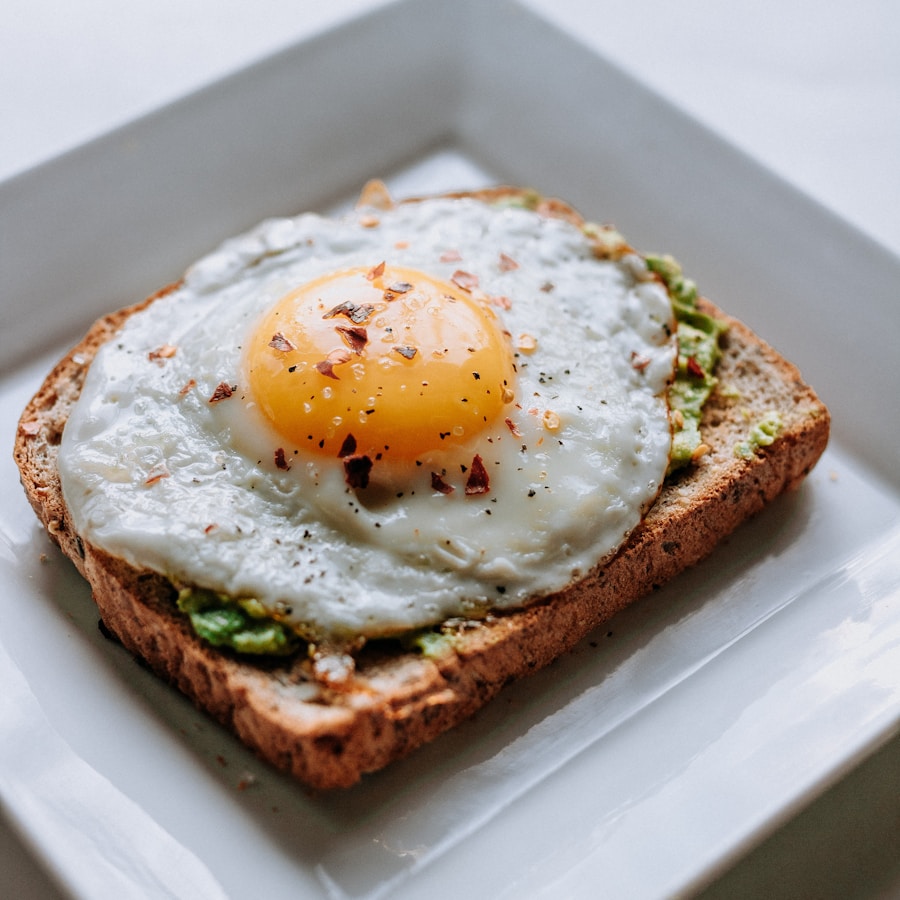
4. A 5-Minute, 30g-Protein Breakfast Formula
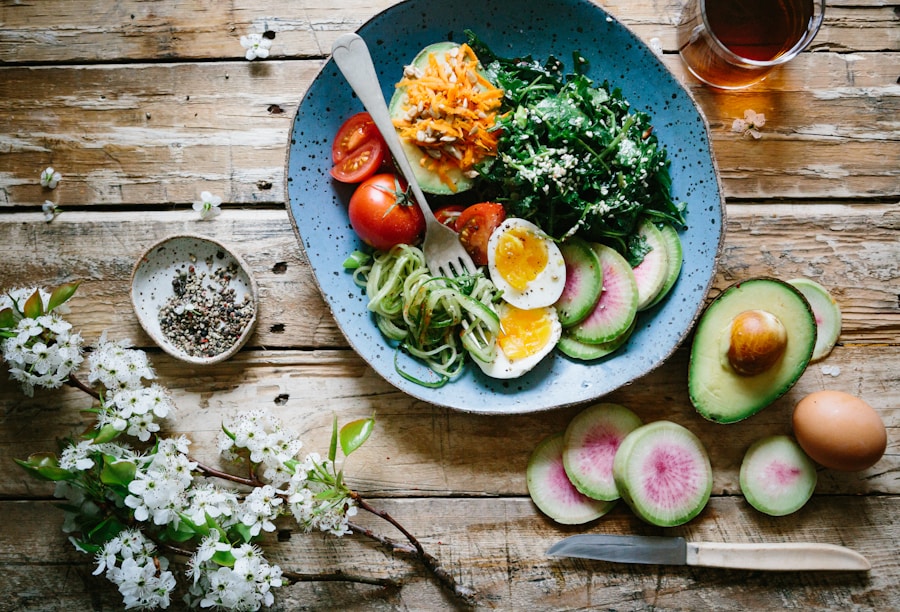
- Step 1 (1 min): Scoop 200g of plain Greek yogurt into a bowl (~18g protein).
- Step 2 (2 min): Add 2 hard-boiled eggs (12g) — prep a batch on Sunday.
- Step 3 (1 min): Top with a small handful of walnuts/almonds (5g) and berries.
- Step 4 (1 min): Drizzle honey or sprinkle cinnamon to taste.
- Total protein: ~32g — leucine threshold cleared.
No time at all? A whey protein shake (25g) plus one egg (6g) takes 90 seconds. Or cottage cheese (28g per cup) with fruit. The key isn’t the recipe — it’s clearing 30g before noon.