예전과 다른 컨디션이 신경 쓰인다
관리 우선순위를 정하고 싶다
️ Reading time: ~9 min | Category: Eat Well 갱년기 장 건강과 에스트로볼롬 — 폐경 후 마이크로바이옴이 호르몬·체중·면역을 결정하는 4가지 메커니즘과 한 달 회복 가이드 (2026)
Chronic inflammation silently drives most modern diseases. Foods rich in omega-3s, polyphenols, and phytochemicals directly suppress this inflammation. Small dietary shifts — starting tonight — can measurably change your inflammatory markers within weeks.
- What Chronic Inflammation Is and Why It’s Dangerous
- Foods That Fuel Inflammation
- The Top 10 Anti-Inflammatory Foods, Backed by Research
- An Anti-Inflammatory Diet Strategy You Can Start Today
What Chronic Inflammation Is and Why It’s Dangerous
Inflammation is, at its core, a healthy process. When your body faces injury or infection, immune cells flood the area, fight the threat, and then stand down. That’s acute inflammation — useful and necessary. 갱년기 콜레스테롤 급증 — 폐경 후 LDL이 왜 오르나, 식이·운동·HRT·스타틴 4가지 전략 비교 (2026 임상 가이드)
Chronic inflammation is when the immune system never fully stands down. There’s no active threat, but the inflammatory response keeps firing at a low, persistent level. It’s called a “silent killer” because it causes no obvious symptoms — while quietly damaging organs, blood vessels, and brain tissue over years. 갱년기 식물성 에스트로겐 4종 심층 비교 — 콩 이소플라본·레드클로버·아마씨·블랙코호시 임상 데이터 정리
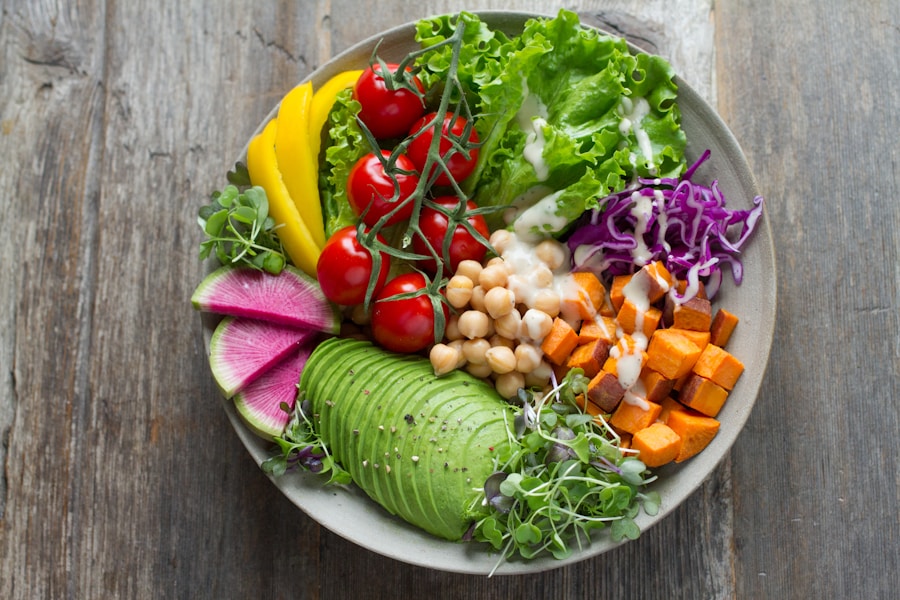
A 2024 Harvard Medical School study: individuals with elevated chronic inflammation markers (CRP, IL-6) had a 2.3× higher risk of heart disease, 1.8× higher risk of type 2 diabetes, and 1.6× higher risk of Alzheimer’s. Chronic inflammation is the shared root of all three.
What drives chronic inflammation? Processed food, refined sugar, trans fats, excess omega-6 fatty acids, poor sleep, chronic stress, and smoking. Of these, diet carries the largest modifiable influence.
Foods That Fuel Inflammation
Understanding what to avoid is step one. These foods consistently raise inflammation markers like CRP and interleukin-6:
Understanding what to avoid is step one.
- Refined sugars and high-fructose corn syrup: Sodas, candy, ketchup, packaged sauces. Blood sugar spikes trigger oxidative stress and inflammatory cascades.
- Trans fats: Some margarines, fast food, processed baked goods. A direct cause of vascular inflammation.
- Refined carbohydrates: White bread, white rice (in excess), instant noodles. Rapid blood glucose spikes drive insulin resistance and systemic inflammation.
- Omega-6-heavy seed oils: Soybean oil, corn oil, sunflower oil in large amounts. An imbalanced omega-6 to omega-3 ratio promotes systemic inflammation.
- Processed meats: Sausages, bacon, ham. Classified as Group 1 carcinogens by the WHO — the inflammation link is part of the reason.
The Top 10 Anti-Inflammatory Foods, Backed by Research
Now for what to eat. These foods have been shown in clinical studies to measurably reduce inflammation markers:
- Blueberries (and berries generally): Anthocyanins inhibit the NF-κB inflammatory pathway. A daily handful has been shown to significantly lower CRP.
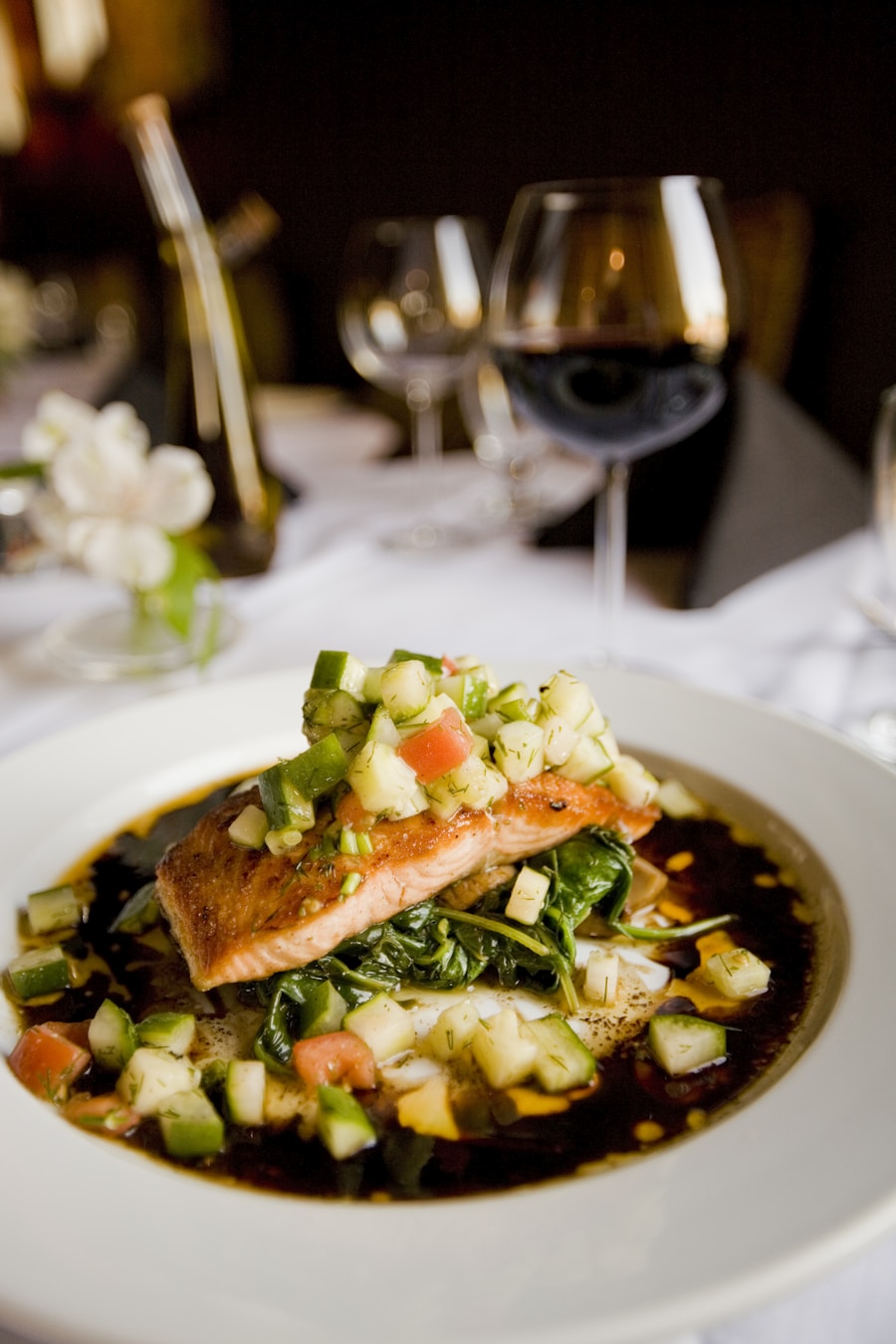
- Fatty fish (salmon, mackerel, sardines): EPA and DHA omega-3s directly increase anti-inflammatory cytokines.
- Extra virgin olive oil: Oleocanthal has COX-inhibiting effects similar to ibuprofen — without the gastrointestinal side effects.
- Turmeric (curcumin): A 2025 meta-analysis confirmed significant anti-inflammatory effects across arthritis, gut health, and neuroinflammation.
- Broccoli (and cruciferous vegetables): Sulforaphane activates the Nrf2 pathway, enhancing the cell’s own antioxidant defense system.
- Green tea: EGCG (epigallocatechin-3-gallate) is among the most potent naturally occurring antioxidants identified.
- Dark chocolate (70%+ cacao): Flavonoids reduce vascular inflammation and oxidative stress. Yes, chocolate can be medicine.
- Nuts (especially walnuts and almonds): Walnuts contain ALA omega-3s and vitamin E in a synergistic combination.
- Avocado: Monounsaturated fats and lutein provide anti-inflammatory protection for skin and eye tissue.
- Tomatoes (cooked): Lycopene bioavailability increases significantly with heat. Combine with olive oil for 3× better absorption.
Anti-Inflammatory Food Guide — At a Glance
Pro-Inflammatory Foods (Reduce)
Refined sugars & HFCS · Trans fats · Refined carbs (white bread, instant noodles) · Processed meats · Excess omega-6 seed oils
Anti-Inflammatory TOP 10 (Increase)
① Blueberries & berries ② Fatty fish (salmon, mackerel, sardines) ③ Extra virgin olive oil ④ Turmeric (curcumin)
⑤ Broccoli & cruciferous vegetables ⑥ Green tea (EGCG) ⑦ Dark chocolate 70%+ ⑧ Walnuts & almonds
⑨ Avocado ⑩ Cooked tomatoes
Three Changes to Start Today
Swap snack foods → blueberries + walnuts · Switch cooking oil → extra virgin olive oil · Eat fatty fish at least twice this week
An Anti-Inflammatory Diet Strategy You Can Start Today
Trying to overhaul your entire diet at once is the most common path to failure. Small, sustained shifts produce real results.
1️⃣ Replace snack foods with blueberries + walnuts
2️⃣ Switch your cooking oil to extra virgin olive oil (avocado oil for high-heat cooking)
3️⃣ Eat fatty fish at least twice this week (salmon, mackerel, or sardines)
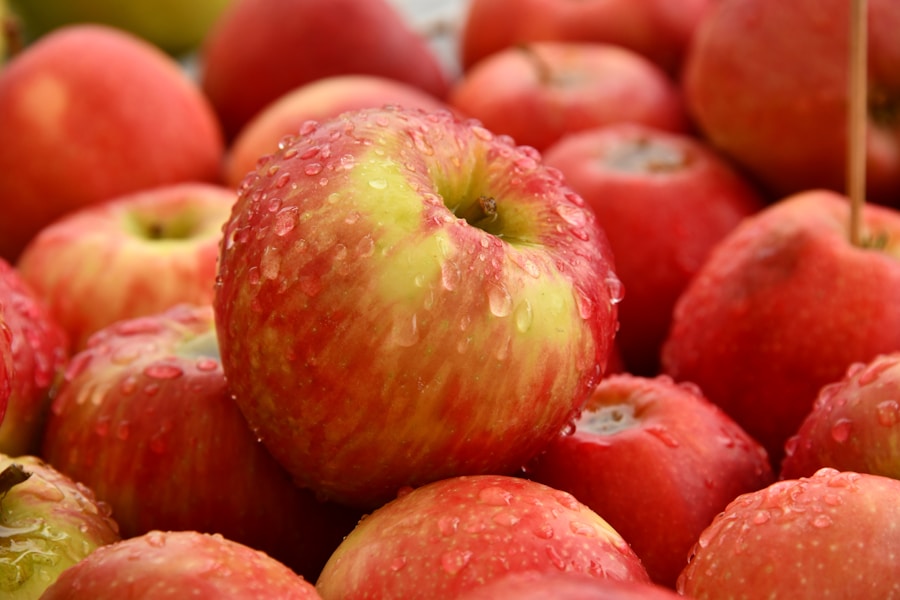
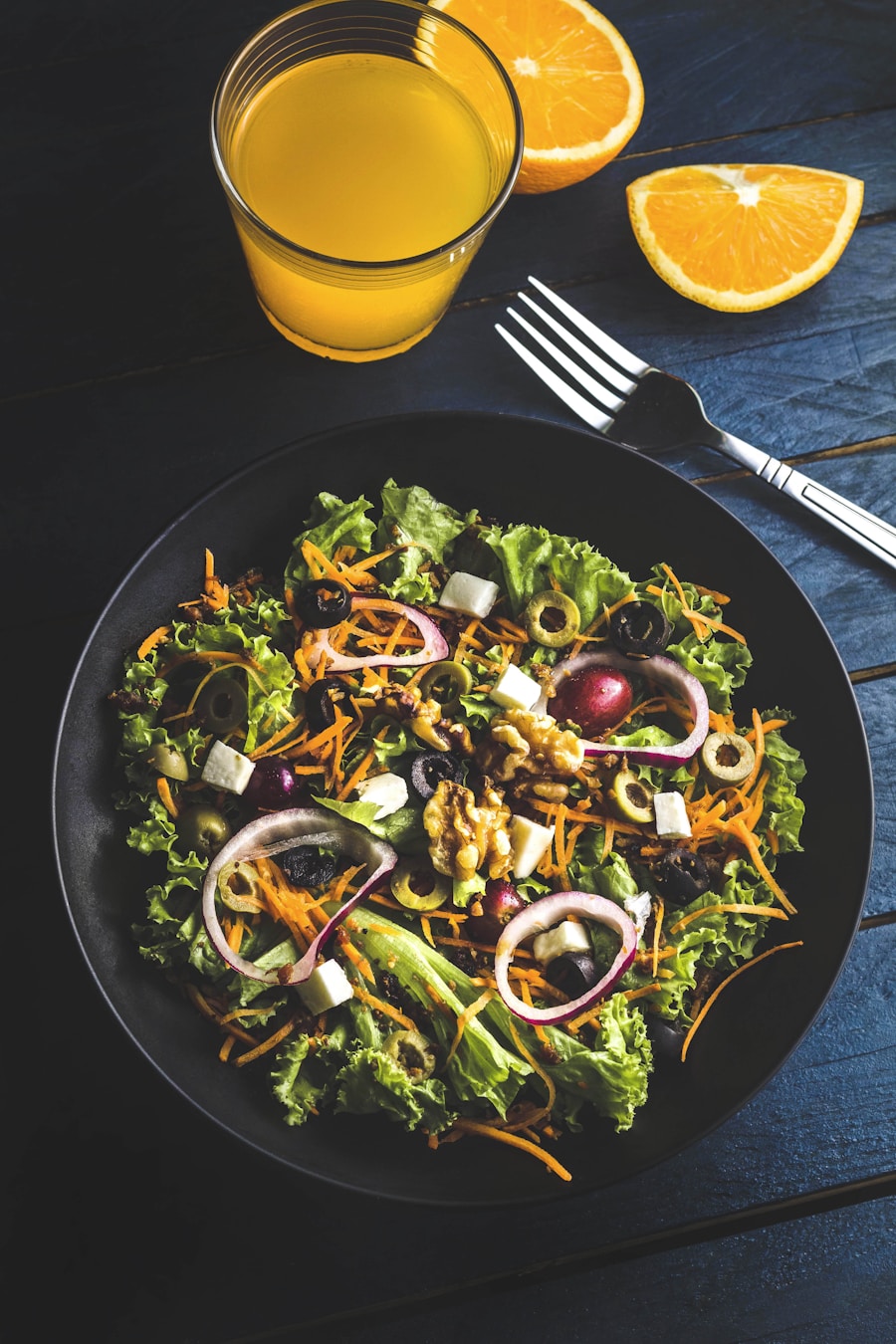
One more principle: color diversity. Red (tomatoes, strawberries), orange (carrots, sweet potato), purple (blueberries, eggplant), green (broccoli, spinach), and white (garlic, onion) each deliver different anti-inflammatory phytochemicals. The closer your plate looks to a rainbow, the broader your anti-inflammatory coverage.
How Traditional Fermented Foods Fight Inflammation
Fermented foods deserve special attention in the anti-inflammatory conversation. The gut microbiome directly regulates systemic inflammation, and fermented foods are among the most powerful tools for nurturing a healthy microbiome.
- Kimchi: Combines lactobacillus bacteria + capsaicin + garlic + ginger — four anti-inflammatory agents in one fermented food. Research shows regular kimchi consumption is associated with lower CRP and improved gut diversity.
- Miso and fermented soy products: Isoflavones and nattokinase reduce vascular inflammation and platelet aggregation.
- Kefir and yogurt: Live cultures reduce intestinal permeability (leaky gut), a key driver of systemic inflammation.
- Sauerkraut and fermented vegetables: Similar probiotic mechanisms to kimchi with strong gut lining support.
A landmark 2021 Stanford study published in Cell found that a high-fermented-food diet over 10 weeks significantly increased microbiome diversity and decreased 19 inflammatory proteins — more effectively than a high-fiber diet alone.