[태그:] 인지건강

  • Why Low-Intensity Training Suits Midlife Women: The 70% Rule of Elite Athletes

    Why Low-Intensity Training Suits Midlife Women: The 70% Rule of Elite Athletes

    혹시 이런 경험 있으세요?
    갱년기 변화를 느낀다
    예전과 다른 컨디션이 신경 쓰인다
    관리 우선순위를 정하고 싶다
    1개라도 해당하면 이 글이 도움이 됩니다.

    ️ Reading time: ~8 min  |  Category: Fit & Move 갱년기 근감소증 — 폐경 후 근육이 빠지는 4가지 호르몬 메커니즘과 한 달 단백질·저항운동 챌린지 (2026 임상 가이드)

    Key Takeaways
    Zone 2 is conversational-pace cardio at 60–70% of max heart rate. It builds mitochondria, burns fat efficiently, and forms the aerobic base that elite athletes protect above all else.
    30초 핵심 요약
    • What Is Zone 2 — And How to Find Yours
    • Why Going Slow Produces Better Results
    • The Mitochondria Connection
    • Fat Burning and Metabolic Flexibility

    What Is Zone 2 — And How to Find Yours

    Exercise intensity is often divided into Zones 1 through 5 based on heart rate. Zone 2 corresponds to 60–70% of your maximum heart rate — an intensity where you’re working, slightly breathless, but can still hold a conversation. 갱년기 골다공증 — 폐경 후 5년이 평생 골밀도를 결정합니다 (2026 가이드)

    70%
    ate. Zone 2 corresponds to 60–70% of your maximum heart
    — 본문 인용 출처 / 임상 보고
    Zone 2 Heart Rate Calculator

    Max heart rate = 220 – your age
    Zone 2 range = Max HR × 0.60 to 0.70

    Example (age 40): Max HR = 180 / Zone 2 = 108–126 bpm
    Example (age 30): Max HR = 190 / Zone 2 = 114–133 bpm

    No smartwatch? Use the Talk Test: if you can speak in 5–6 word sentences while exercising, you’re in Zone 2. If you’re gasping mid-sentence, you’re too high. If you could sing, you’re too low. 갱년기 여성에게 더 잘 맞는 저강도 운동 — 엘리트 선수가 70%를 쓰는 이유
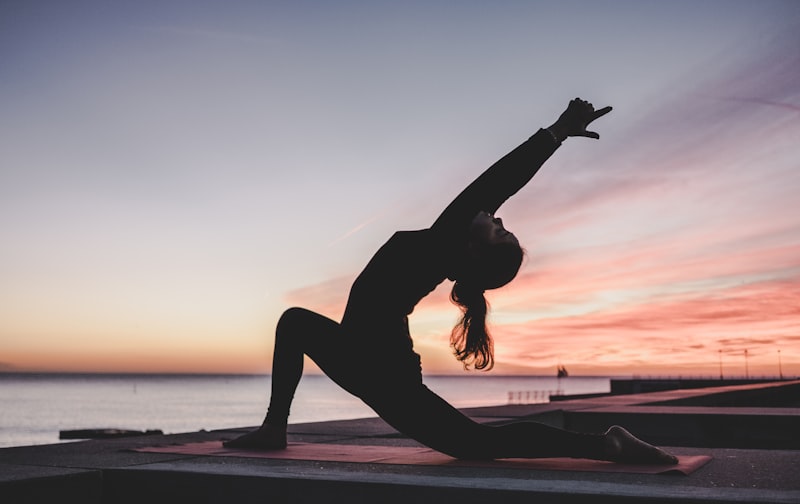
    Why Low-Intensity Training Suits Midlife Women: The 70% Rule of Elite Athletes — 임상 가이드 본문 이미지 1
    Photo by Unsplash

    Why Going Slow Produces Better Results

    Most people assume harder = better. It’s partially true — but it misses the bigger picture.

    Sports medicine researchers including Dr. Peter Attia and Dr. Inigo San Milan advocate for what’s called the 80/20 principle: 80% of training should happen at Zone 2, with only 20% at high intensity (Zone 4–5). This ratio consistently produces the best long-term cardiovascular adaptations.

    Training Type Short-term Calorie Burn Mitochondria Growth Long-term Aerobic Capacity
    Zone 2 (Low Intensity) Moderate ⭐⭐⭐⭐⭐ Very High ⭐⭐⭐⭐⭐ Excellent
    Zone 3–4 (Moderate) High ⭐⭐⭐ Average ⭐⭐⭐ Average
    Zone 5 (HIIT) Very High ⭐⭐ Lower ⭐⭐⭐ Average

    The trap most people fall into is training almost exclusively in Zone 3 — often called “No Man’s Land” in exercise science. It’s too easy to drive meaningful mitochondrial adaptation, yet too hard to recover from quickly. The result: perpetual fatigue with mediocre fitness gains.

    Most people assume harder = better.
    Why Low-Intensity Training Suits Midlife Women: The 70% Rule of Elite Athletes — 임상 가이드 본문 이미지 2
    Photo by Unsplash

    The Mitochondria Connection

    The central mechanism behind Zone 2’s power is mitochondrial density. Mitochondria are the organelles inside cells that produce ATP (energy). More mitochondria = more aerobic capacity = more efficient everything.

    “Zone 2 is the most efficient way to increase mitochondrial density and quality. This is directly linked to longevity.”
    — Dr. Inigo San Milan, University of Colorado Sports Medicine

    More mitochondria means:

    • Less fatigue at any given effort level
    • Greater fat oxidation as a fuel source
    • Improved insulin sensitivity
    • Slower biological aging (2024 Cell Metabolism study)
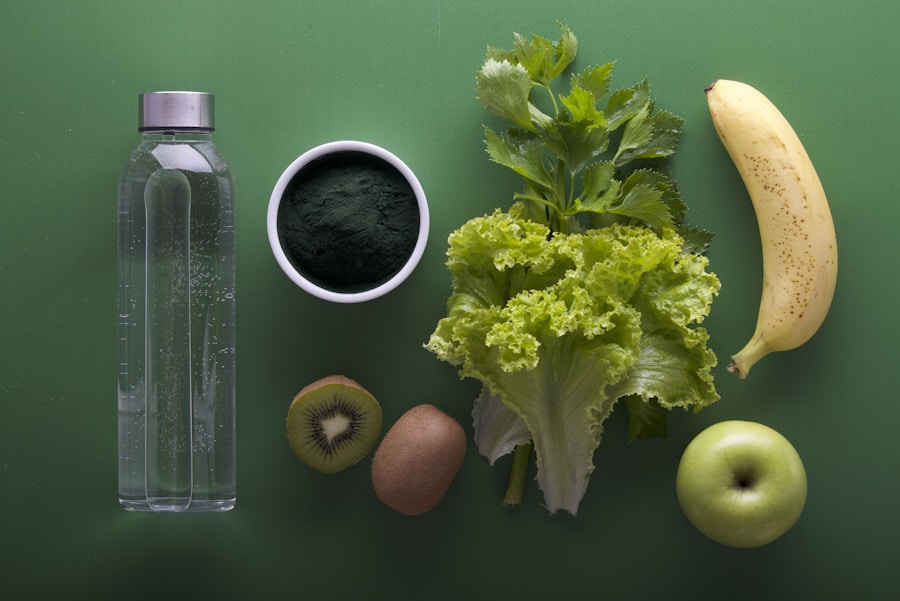
    Why Low-Intensity Training Suits Midlife Women: The 70% Rule of Elite Athletes — 임상 가이드 본문 이미지 3
    Photo by Unsplash
    Research Finding
    A 2024 Cell Metabolism study: 12 weeks of Zone 2 training increased PGC-1α (the key mitochondrial biogenesis marker) by 45% — significantly higher than the group that trained only at high intensity.

    Fat Burning and Metabolic Flexibility

    At Zone 2 intensity, your body relies primarily on fat as its fuel source rather than carbohydrates. This is the basis of what researchers call “metabolic flexibility.”

    High metabolic flexibility means:

    • Your body efficiently accesses stored fat for energy
    • More stable blood glucose levels throughout the day
    • Delayed energy depletion during long exercise sessions
    • Better body composition over time

    When people only train at high intensity, the body becomes over-reliant on glucose as fuel and loses its ability to efficiently burn fat. Zone 2 training rebuilds this metabolic versatility.
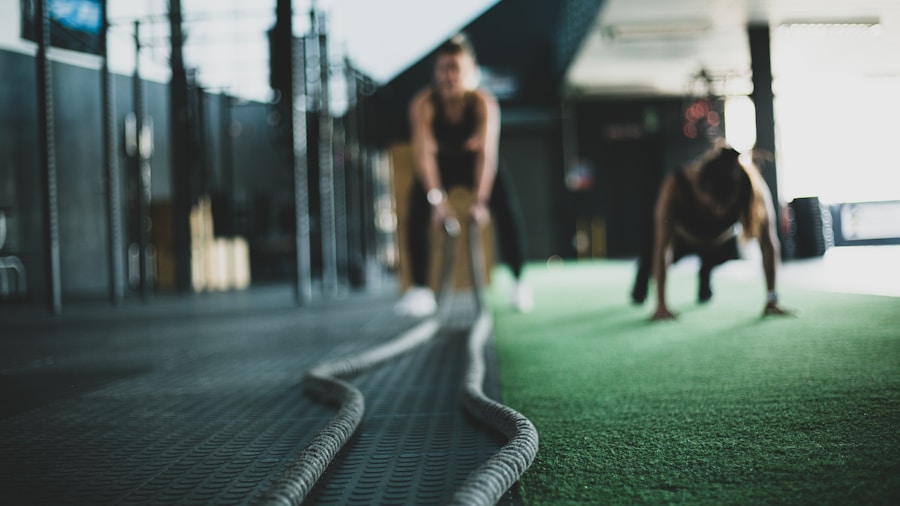
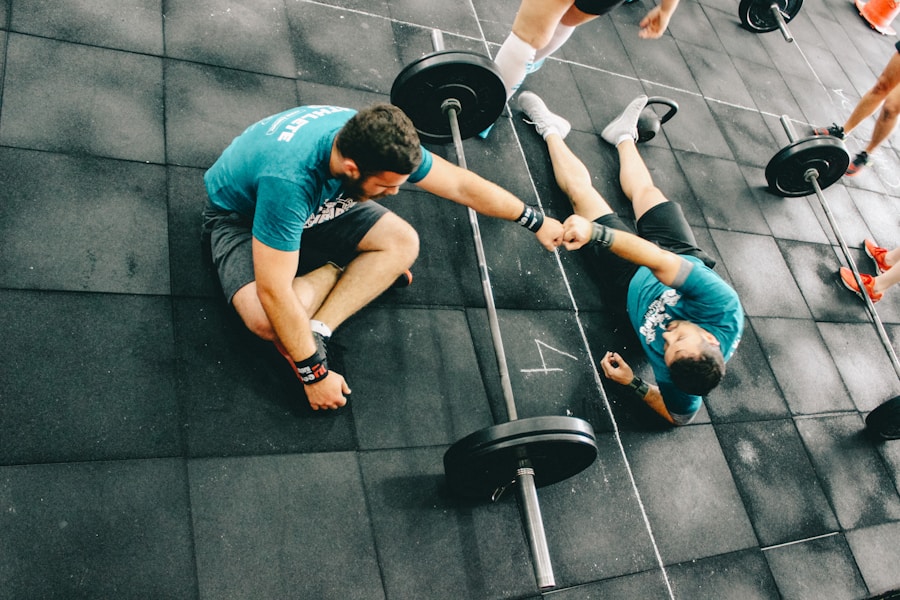
    Why Low-Intensity Training Suits Midlife Women: The 70% Rule of Elite Athletes — 임상 가이드 본문 이미지 4
    Photo by Unsplash

    Heart Rate Zone Guide — Where is Zone 2?

    Zone 5
    Max Effort | 90–100% Max HR
    Zone 4
    Lactate Threshold | 80–90%
    Zone 3
    Aerobic | 70–80%
    Zone 2
    Fat Oxidation + Mitochondrial Growth | 60–70%
    Zone 1
    Recovery | 50–60%

    * Max HR formula: 220 − Age | Track live with any heart rate monitor

    How to Start Zone 2 Training Today

    No complex equipment needed. Three things are enough to start:

    Zone 2 Starter Guide

    Activities: Brisk walking, cycling (indoor/outdoor), swimming, rowing, easy jogging
    Intensity: Conversational pace (60–70% max HR)
    Duration: Start with 30–45 min, build toward 60–90 min
    Frequency: 3–4 times per week is ideal
    Rule: If your HR climbs above Zone 2, slow down

    First-timers often feel like it’s “too easy.” Athletes who are used to intense training may need to slow down significantly to stay in Zone 2 — and that’s exactly right. The discomfort of restraint is part of the training.

    The easiest way to start: 45 minutes of brisk walking while keeping your heart rate below 130 bpm. That’s it. You’ve started Zone 2.

    Why Low-Intensity Training Suits Midlife Women: The 70% Rule of Elite Athletes — 임상 가이드 본문 이미지 5
    Photo by Unsplash
    Recommended
    Walking shoes + mat for low-intensity training

    50~60대 여성용 갱년기 종합 영양제를 1회분 함량 기준으로 정리한 페이지로 이동합니다.

    50~60대 여성용 갱년기 종합 영양제를 1회분 함량 기준으로 정리한 페이지로 이동합니다.

    제품 비교 보기 →

    Coupang Partners 활동의 일환으로 일정액의 수수료가 제공될 수 있습니다.

    Frequently Asked Questions

    Isn’t Zone 2 just… boring?

    Zone 2 is the perfect time for podcasts, audiobooks, or music. The cognitive load is low enough that your brain has bandwidth to absorb content. Many people turn Zone 2 sessions into dedicated learning time — finishing books they’d never sit down to read.

    How much Zone 2 do I need per week?

    Beginners: start with 3x per week, 30–45 minutes. The target is 150–180 total minutes of Zone 2 per week — which aligns with WHO aerobic exercise recommendations.

    Should I stop doing HIIT entirely?

    Not at all. The 80/20 rule: 80% Zone 2, 20% high intensity (Zone 4–5). One or two HIIT sessions per week creates a powerful synergy with Zone 2 base training.

    Is Zone 2 good for weight loss?

    Long-term, yes — and more sustainably than pure HIIT. Zone 2 directly oxidizes fat as fuel and raises your resting metabolic rate through mitochondrial growth. Over a 6-month horizon, body composition changes from Zone 2 typically surpass those from high-intensity-only programs.

    Today’s challenge: A 40-minute brisk walk after work. Keep your heart rate under 130 bpm. That’s Zone 2 — and that’s enough to start building something real.

    이 글은 일반적인 정보 제공을 목적으로 하며, 개인 맞춤 의료 상담을 대체하지 않습니다. 증상이 의심되거나 위험 요인이 있는 경우 산부인과·가정의학과·내분비내과 전문의와 상담하시길 권합니다.

    Sources: Inigo San Milan, PhD — Zone 2 Research / Peter Attia, Outlive (2023) / Cell Metabolism (2024) Mitochondrial Study / ACSM Exercise Guidelines 2026

    This post contains Coupang Partners affiliate links. We may earn a commission on qualifying purchases.
    의학적 안내: 이 글의 정보는 일반 건강 정보이며 진단·치료·처방을 대체하지 않습니다. 증상이 지속되거나 악화되면 산부인과·내분비내과 전문의 상담을 권장합니다.

    권위 출처 (Peer-reviewed Sources)

    • PubMed — 폐경기 여성 건강 임상 연구
    • NAMS — North American Menopause Society 권장사항
    • 대한폐경학회 — 한국 폐경기 여성 진료 지침

    글쓴이 · 100년건강지킴이
    3분 습관으로 30년 건강해지기 — 100daywell에서 건강 정보를 쉽게 정리해 전하는 에디터입니다. 의료 전문가가 아니며, 본 내용은 질병관리청·국내외 임상연구 등 공신력 있는 출처를 바탕으로 한 일반적 정보로 진단·치료를 대체하지 않습니다.
  • Sleep Disruption in Midlife Women: What 7 Hours Actually Does for Hormones and Cognition

    Sleep Disruption in Midlife Women: What 7 Hours Actually Does for Hormones and Cognition

    혹시 이런 경험 있으세요?
    갱년기 변화를 느낀다
    예전과 다른 컨디션이 신경 쓰인다
    관리 우선순위를 정하고 싶다
    1개라도 해당하면 이 글이 도움이 됩니다.

    ️ Reading time: ~9 min  |  Category: Wellness & Mind 갱년기 편두통 — 폐경 전후 5년 두통이 폭발하는 4가지 호르몬 메커니즘과 회복 4단계 (2026 임상 가이드)

    Key Takeaways
    7+ hours matters, but deep sleep (slow-wave sleep) quality matters more. Bedroom temp 18°C, complete darkness, consistent wake time — these three changes alone can meaningfully transform your sleep.
    30초 핵심 요약
    • Why Sleep Is in Crisis Right Now
    • What Actually Happens While You Sleep
    • What Sleep Deprivation Does to Your Body
    • Your Sleep Environment — What to Change Tonight

    Why Sleep Is in Crisis Right Now

    According to the CDC, more than 35% of adults in the US report getting less than the recommended 7 hours of sleep per night. The problem isn’t just tiredness — it’s that most people don’t realize how impaired they are. 갱년기 안구건조증 — 폐경 후 눈물막이 마르는 4가지 호르몬 메커니즘과 회복 4단계 (2026 가이드)

    35%
    cording to the CDC, more than 35% of adults in the US
    — 본문 인용 출처 / 임상 보고

    But time alone isn’t the issue. Sleep quality matters just as much. Eight hours of fragmented, shallow sleep leaves the brain less restored than six hours of high-quality deep sleep. 갱년기 vs 갑상선 질환 — 증상이 겹치는 4가지 진단 임상 비교와 폐경 후 호르몬 감별 가이드 (2026)

    Sleep Disruption in Midlife Women: What 7 Hours Actually Does for Hormones and Cognition — 임상 가이드 본문 이미지 1
    Photo by Unsplash
    Research Finding
    UC Berkeley sleep researcher Dr. Matthew Walker’s data: after just 3 weeks of 6-hour sleep, cognitive performance degrades to levels equivalent to 24 hours of total sleep deprivation. The scariest part: most people can’t perceive how impaired they’ve become.

    What Actually Happens While You Sleep

    Your brain doesn’t rest during sleep — it’s busier in some ways than when you’re awake. Sleep consists of two major types that serve very different functions:

    Sleep Stage Primary Function % of Total Sleep
    Deep Sleep (Slow-Wave) Physical recovery, immune boost, growth hormone release ~20–25%
    REM Sleep Emotional processing, memory consolidation, creativity ~20–25%
    Light Sleep Transition, maintenance ~50–60%

    Deep sleep is when the brain’s glymphatic system activates — a cleaning mechanism that flushes out toxic proteins including beta-amyloid (linked to Alzheimer’s). Without sufficient deep sleep, this waste clearance is incomplete.

    Your brain doesn’t rest during sleep — it’s busier in some ways than when you’re awake.

    “Sleep is not an optional lifestyle luxury. It is a non-negotiable biological necessity.”
    — Matthew Walker, Why We Sleep

    Sleep Disruption in Midlife Women: What 7 Hours Actually Does for Hormones and Cognition — 임상 가이드 본문 이미지 2
    Photo by Unsplash

    What Sleep Deprivation Does to Your Body

    The consequences of poor sleep extend far beyond feeling tired:

    • Brain: Prefrontal cortex impairment → reduced decision-making, focus, and emotional regulation
    • Immune system: NK cell activity drops → higher infection susceptibility, reduced cancer surveillance
    • Metabolism: Increased insulin resistance, ghrelin rises, leptin drops → overeating tendency
    • Cardiovascular: Blood pressure rises, cortisol increases, long-term heart disease risk climbs
    • Hormones: Growth hormone and testosterone secretion decrease significantly

    A 2025 study in Nature Mental Health showed that fewer than 7 hours of sleep, sustained over a decade, was associated with a 30% increased dementia risk.

    Sleep Disruption in Midlife Women: What 7 Hours Actually Does for Hormones and Cognition — 임상 가이드 본문 이미지 3
    Photo by Unsplash

    Your Sleep Environment — What to Change Tonight

    The fastest way to improve sleep quality is environment optimization. No medication, no supplements required. sleep supplements

    Sleep Environment Checklist

    ️ Temperature: 18–19°C (65–67°F) — the #1 environmental factor
    Light: Near total darkness (blackout curtains recommended)
    Noise: White noise machine or earplugs
    Devices: Phone outside the bedroom
    ️ The bed rule: Bed = sleep only (no work, no TV)

    The most underestimated factor is temperature. For sleep to initiate, your core body temperature needs to drop by 1–1.5°C. A warm bedroom fights this process. 18–19°C may feel cool at first, but the improvement in sleep depth is noticeable within days.

    Sleep Disruption in Midlife Women: What 7 Hours Actually Does for Hormones and Cognition — 임상 가이드 본문 이미지 4
    Photo by Unsplash

    A Science-Backed Pre-Sleep Routine

    If you struggle to fall asleep, two concepts will change everything: sleep pressure and circadian rhythm.

    Sleep pressure: Adenosine accumulates in your brain the longer you’re awake. Napping burns off this pressure. If you need to nap, keep it to 20 minutes before 2pm.

    Circadian rhythm: A consistent wake time is the single most powerful intervention for insomnia. Fix your wake time first; bedtime will follow.

    90-Minute Pre-Sleep Routine

    90 min before: Dim lights, turn off screens
    60 min before: Warm shower (raises then lowers core temp, inducing drowsiness)
    30 min before: Reading, light stretching, or low-effort meditation
    Bed: Same time each night, complete darkness

    Sleep Disruption in Midlife Women: What 7 Hours Actually Does for Hormones and Cognition — 임상 가이드 본문 이미지 5
    Photo by Unsplash
    Recommended
    Sleep support for deeper rest

    50~60대 여성용 갱년기 종합 영양제를 1회분 함량 기준으로 정리한 페이지로 이동합니다.

    갱년기 종합 영양제 비교

    50~60대 여성용 갱년기 종합 영양제를 1회분 함량 기준으로 정리한 페이지로 이동합니다.

    제품 비교 보기 →

    Coupang Partners 활동의 일환으로 일정액의 수수료가 제공될 수 있습니다.

    Frequently Asked Questions

    Why am I still tired after 8 hours of sleep?

    The ratio of deep (slow-wave) sleep may be low. Alcohol, late meals, and a warm bedroom all significantly reduce deep sleep. Alcohol in particular is one of the biggest suppressors of sleep quality.

    Do sleep aids like melatonin or magnesium actually work?

    Melatonin helps with sleep onset timing but doesn’t improve sleep quality. Magnesium glycinate has a mild calming effect with few side effects. But neither replaces foundational sleep hygiene.

    I keep waking up in the middle of the night — what should I do?

    Mid-night waking is common during the REM-heavy second half of sleep. Primary culprits are stress, caffeine after 2pm, and alcohol. If adjusting these doesn’t help, consider a sleep apnea evaluation.

    Are naps good or bad?

    NASA research found a 26-minute nap improved alertness by 34% and performance by 54%. Power naps under 20 minutes are beneficial. Naps after 3pm or longer than 30 minutes can disrupt nighttime sleep.

    Tonight’s challenge: Put your phone on the charger in another room 90 minutes before bed. Just that one change.

    이 글은 일반적인 정보 제공을 목적으로 하며, 개인 맞춤 의료 상담을 대체하지 않습니다. 증상이 의심되거나 위험 요인이 있는 경우 산부인과·가정의학과·내분비내과 전문의와 상담하시길 권합니다.

    Sources: Matthew Walker, Why We Sleep (2017) / Nature Mental Health (2025) / CDC Sleep Data / Glymphatic System, Science (2013) / NASA Nap Study

    This post contains Coupang Partners affiliate links. We may earn a commission on qualifying purchases.
    More from the Korean Wellness Series

    Korean dietary, beauty, and traditional medicine approaches to midlife and menopause health.

    권위 출처 (Peer-reviewed Sources)

    • PubMed — 폐경기 여성 건강 임상 연구
    • NAMS — North American Menopause Society 권장사항
    • 대한폐경학회 — 한국 폐경기 여성 진료 지침

    글쓴이 · 100년건강지킴이
    3분 습관으로 30년 건강해지기 — 100daywell에서 건강 정보를 쉽게 정리해 전하는 에디터입니다. 의료 전문가가 아니며, 본 내용은 질병관리청·국내외 임상연구 등 공신력 있는 출처를 바탕으로 한 일반적 정보로 진단·치료를 대체하지 않습니다.
  • Brain Fog and Mood in Midlife: How 30 Seconds of Cold Water Lifts Dopamine

    Brain Fog and Mood in Midlife: How 30 Seconds of Cold Water Lifts Dopamine

    혹시 이런 경험 있으세요?
    갱년기 변화를 느낀다
    예전과 다른 컨디션이 신경 쓰인다
    관리 우선순위를 정하고 싶다
    1개라도 해당하면 이 글이 도움이 됩니다.

    Reading time: ~8 min 갱년기 brain fog와 의욕 저하: 아침 찬물 30초로 도파민 끌어올리는 법

    Key Takeaways
    30 seconds of cold water: +250% dopamine, +300% norepinephrine, lasting 2-3 hours. Start with 15 seconds today.
    Table of Contents

    1. Why Cold Showers Became a Global Trend
    2. What Happens in Your Brain
    3. Immune and Metabolic Effects
    4. Step-by-Step Guide
    5. FAQ
    30초 핵심 요약
    • Why Cold Showers Became a Global Trend
    • What Happens in Your Brain
    • Immune and Metabolic Effects
    • Step-by-Step Guide

    Why Cold Showers Became a Global Trend

    Since the early 2020s, cold plunges and cold water therapy have exploded across social media. Wim Hof, Dr. Andrew Huberman, and Dr. Peter Attia all practice and advocate for cold exposure. But this is not just an influencer trend – the academic research backs it up. Menopausal Depression and Anxiety: HRT vs SSRI vs CBT vs Lifestyle — A 2026 Clinical Comparison for Midlife Women

    냉수 샤워
    Photo by Unsplash
    Research Finding
    2023 PLOS ONE: cold exposure raised dopamine 250% and norepinephrine 300%, sustained for 2-3 hours.

    What Happens in Your Brain

    The moment cold water hits your skin, your brain responds within a fraction of a second: 갱년기 인지 보호 — 폐경 후 5년이 치매 위험을 결정하는 4가지 호르몬 메커니즘과 두뇌 회복 4단계 (2026 임상 가이드)

    The moment cold water hits your skin, your brain responds within a fraction of a second:

    1. Cold shock (0-5 sec): Cold receptors activate the sympathetic nervous system instantly.
    2. Norepinephrine surge (5-30 sec): Focus and alertness neurotransmitters flood the brain.
    3. Sustained dopamine rise (2-3 hours): Unlike caffeine, cold exposure produces a slow, stable dopamine rise that lasts for hours.

    “Cold water exposure is the most powerful, zero-cost tool I know for increasing dopamine with no crash.” – Dr. Andrew Huberman, Stanford Neuroscience

    아침 운동
    Photo by Unsplash

    Immune and Metabolic Effects

    Biomarker Change After Cold Exposure Source
    NK cells Significantly increased activity Nutrients 2022
    IL-6 (inflammation) Long-term reduction trend Cold immersion research
    Brown adipose tissue Activated, improving metabolic rate NEJM study
    웰니스
    Photo by Unsplash

    Step-by-Step Guide

    Week 1: Finish your shower with 15-30 seconds cold
    Week 2: Extend to 60 seconds
    Week 3: Start warm, end cold 2 min
    Week 4+: Begin with cool water

    Critical skill: control your breathing. Inhale slowly through the nose, exhale long through the mouth. The panic response reduces within 10-15 seconds.

    건강
    Photo by Unsplash
    Cognitive support supplements for midlife

    50~60대 여성용 갱년기 종합 영양제를 1회분 함량 기준으로 정리한 페이지로 이동합니다.

    갱년기 종합 영양제 비교

    50~60대 여성용 갱년기 종합 영양제를 1회분 함량 기준으로 정리한 페이지로 이동합니다.

    제품 비교 보기 →

    Coupang Partners 활동의 일환으로 일정액의 수수료가 제공될 수 있습니다.

    Frequently Asked Questions

    Do I need to do this every day?

    Research suggests 3-5 times per week. Starting every other day helps you notice the effects more clearly.

    Cold shower vs ice bath?

    Ice baths produce stronger effects, but cold showers are far more sustainable as a daily habit and still deliver meaningful benefits.

    Morning or evening?

    Morning is optimal for alertness. Avoid cold showers within 3 hours of bedtime.

    How long before I notice results?

    Dopamine effect is noticeable from day one. Immune and metabolic changes become significant after 4-8 weeks.

    Today’s challenge: At the end of your next shower, switch to cold for 15 seconds. That’s the start.

    이 글은 일반적인 정보 제공을 목적으로 하며, 개인 맞춤 의료 상담을 대체하지 않습니다. 증상이 의심되거나 위험 요인이 있는 경우 산부인과·가정의학과·내분비내과 전문의와 상담하시길 권합니다.

    Sources: PLOS ONE (2023) / Huberman Lab, Stanford / Nutrients (2022) / NEJM Brown Fat Study

    This post contains Coupang Partners affiliate links. We may earn a commission on qualifying purchases.
    More from the Korean Wellness Series

    Korean dietary, beauty, and traditional medicine approaches to midlife and menopause health.

    권위 출처 (Peer-reviewed Sources)

    • PubMed — 폐경기 여성 건강 임상 연구
    • NAMS — North American Menopause Society 권장사항
    • 대한폐경학회 — 한국 폐경기 여성 진료 지침

    글쓴이 · 100년건강지킴이
    3분 습관으로 30년 건강해지기 — 100daywell에서 건강 정보를 쉽게 정리해 전하는 에디터입니다. 의료 전문가가 아니며, 본 내용은 질병관리청·국내외 임상연구 등 공신력 있는 출처를 바탕으로 한 일반적 정보로 진단·치료를 대체하지 않습니다.