[태그:] 뼈건강

  • Why Low-Intensity Training Suits Midlife Women: The 70% Rule of Elite Athletes

    Why Low-Intensity Training Suits Midlife Women: The 70% Rule of Elite Athletes

    혹시 이런 경험 있으세요?
    갱년기 변화를 느낀다
    예전과 다른 컨디션이 신경 쓰인다
    관리 우선순위를 정하고 싶다
    1개라도 해당하면 이 글이 도움이 됩니다.

    ️ Reading time: ~8 min  |  Category: Fit & Move 갱년기 근감소증 — 폐경 후 근육이 빠지는 4가지 호르몬 메커니즘과 한 달 단백질·저항운동 챌린지 (2026 임상 가이드)

    Key Takeaways
    Zone 2 is conversational-pace cardio at 60–70% of max heart rate. It builds mitochondria, burns fat efficiently, and forms the aerobic base that elite athletes protect above all else.
    30초 핵심 요약
    • What Is Zone 2 — And How to Find Yours
    • Why Going Slow Produces Better Results
    • The Mitochondria Connection
    • Fat Burning and Metabolic Flexibility

    What Is Zone 2 — And How to Find Yours

    Exercise intensity is often divided into Zones 1 through 5 based on heart rate. Zone 2 corresponds to 60–70% of your maximum heart rate — an intensity where you’re working, slightly breathless, but can still hold a conversation. 갱년기 골다공증 — 폐경 후 5년이 평생 골밀도를 결정합니다 (2026 가이드)

    70%
    ate. Zone 2 corresponds to 60–70% of your maximum heart
    — 본문 인용 출처 / 임상 보고
    Zone 2 Heart Rate Calculator

    Max heart rate = 220 – your age
    Zone 2 range = Max HR × 0.60 to 0.70

    Example (age 40): Max HR = 180 / Zone 2 = 108–126 bpm
    Example (age 30): Max HR = 190 / Zone 2 = 114–133 bpm

    No smartwatch? Use the Talk Test: if you can speak in 5–6 word sentences while exercising, you’re in Zone 2. If you’re gasping mid-sentence, you’re too high. If you could sing, you’re too low. 갱년기 여성에게 더 잘 맞는 저강도 운동 — 엘리트 선수가 70%를 쓰는 이유

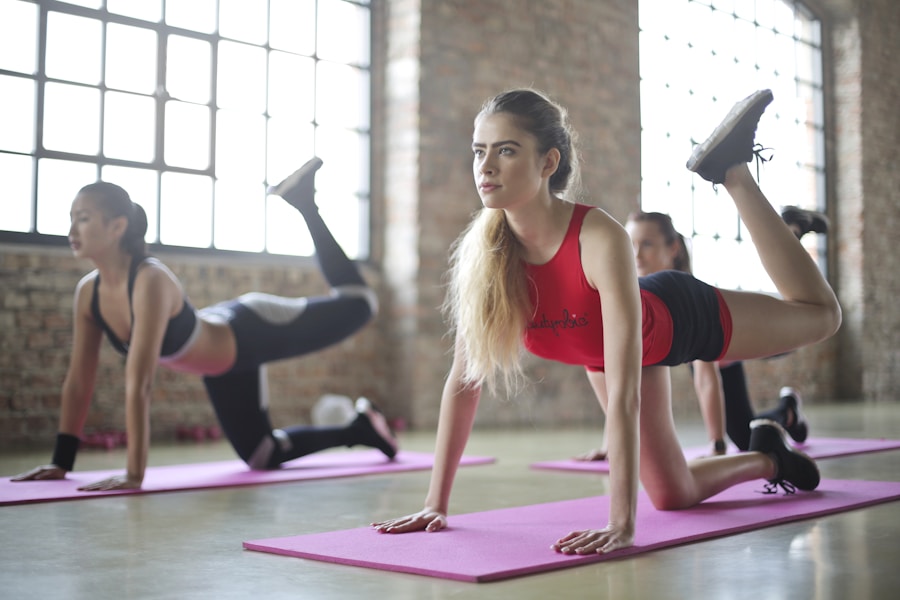
    Why Low-Intensity Training Suits Midlife Women: The 70% Rule of Elite Athletes — 임상 가이드 본문 이미지 1
    Photo by Unsplash

    Why Going Slow Produces Better Results

    Most people assume harder = better. It’s partially true — but it misses the bigger picture.

    Sports medicine researchers including Dr. Peter Attia and Dr. Inigo San Milan advocate for what’s called the 80/20 principle: 80% of training should happen at Zone 2, with only 20% at high intensity (Zone 4–5). This ratio consistently produces the best long-term cardiovascular adaptations.

    Training Type Short-term Calorie Burn Mitochondria Growth Long-term Aerobic Capacity
    Zone 2 (Low Intensity) Moderate ⭐⭐⭐⭐⭐ Very High ⭐⭐⭐⭐⭐ Excellent
    Zone 3–4 (Moderate) High ⭐⭐⭐ Average ⭐⭐⭐ Average
    Zone 5 (HIIT) Very High ⭐⭐ Lower ⭐⭐⭐ Average

    The trap most people fall into is training almost exclusively in Zone 3 — often called “No Man’s Land” in exercise science. It’s too easy to drive meaningful mitochondrial adaptation, yet too hard to recover from quickly. The result: perpetual fatigue with mediocre fitness gains.

    Most people assume harder = better.

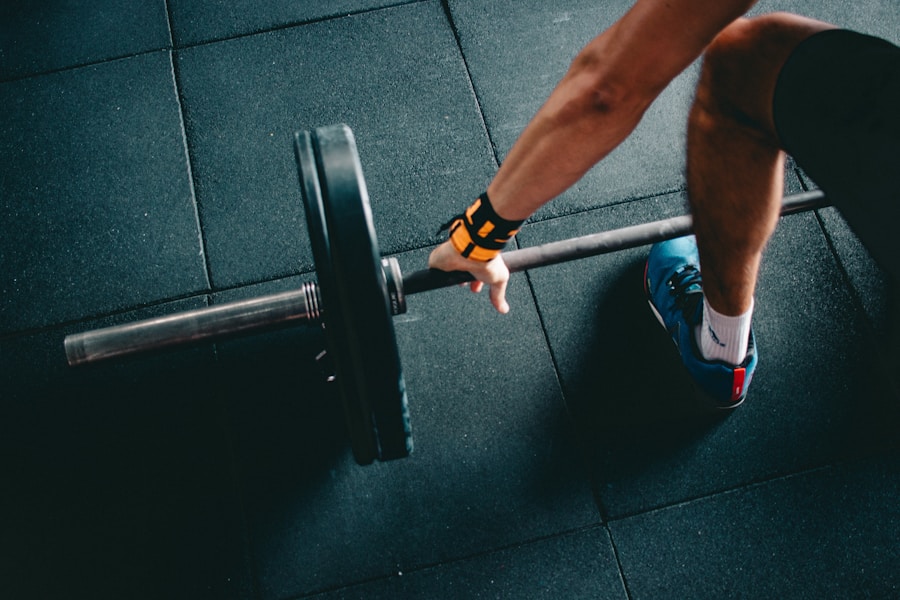
    Why Low-Intensity Training Suits Midlife Women: The 70% Rule of Elite Athletes — 임상 가이드 본문 이미지 2
    Photo by Unsplash

    The Mitochondria Connection

    The central mechanism behind Zone 2’s power is mitochondrial density. Mitochondria are the organelles inside cells that produce ATP (energy). More mitochondria = more aerobic capacity = more efficient everything.

    “Zone 2 is the most efficient way to increase mitochondrial density and quality. This is directly linked to longevity.”
    — Dr. Inigo San Milan, University of Colorado Sports Medicine

    More mitochondria means:

    • Less fatigue at any given effort level
    • Greater fat oxidation as a fuel source
    • Improved insulin sensitivity
    • Slower biological aging (2024 Cell Metabolism study)
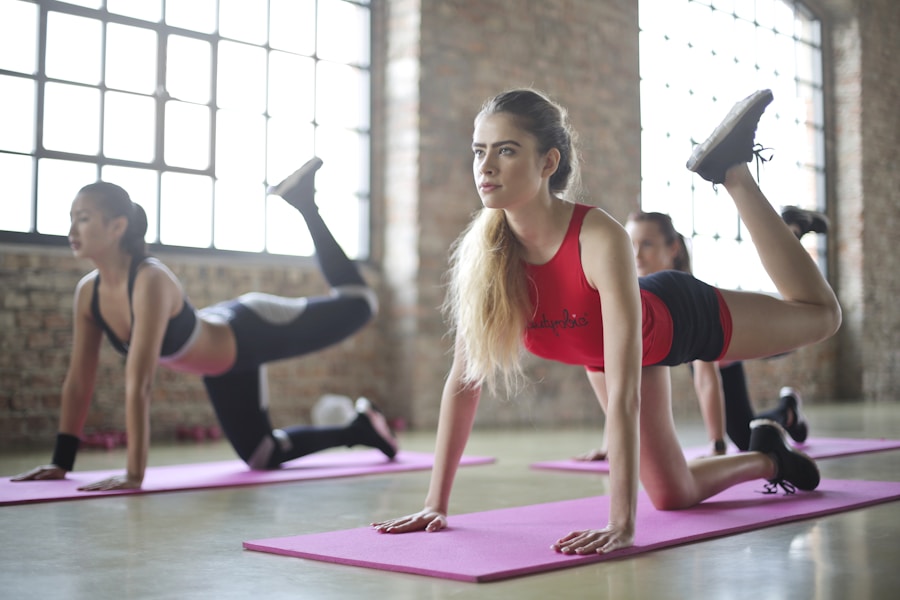
    Why Low-Intensity Training Suits Midlife Women: The 70% Rule of Elite Athletes — 임상 가이드 본문 이미지 3
    Photo by Unsplash
    Research Finding
    A 2024 Cell Metabolism study: 12 weeks of Zone 2 training increased PGC-1α (the key mitochondrial biogenesis marker) by 45% — significantly higher than the group that trained only at high intensity.

    Fat Burning and Metabolic Flexibility

    At Zone 2 intensity, your body relies primarily on fat as its fuel source rather than carbohydrates. This is the basis of what researchers call “metabolic flexibility.”

    High metabolic flexibility means:

    • Your body efficiently accesses stored fat for energy
    • More stable blood glucose levels throughout the day
    • Delayed energy depletion during long exercise sessions
    • Better body composition over time

    When people only train at high intensity, the body becomes over-reliant on glucose as fuel and loses its ability to efficiently burn fat. Zone 2 training rebuilds this metabolic versatility.

    Why Low-Intensity Training Suits Midlife Women: The 70% Rule of Elite Athletes — 임상 가이드 본문 이미지 4
    Photo by Unsplash

    Heart Rate Zone Guide — Where is Zone 2?

    Zone 5
    Max Effort | 90–100% Max HR
    Zone 4
    Lactate Threshold | 80–90%
    Zone 3
    Aerobic | 70–80%
    Zone 2
    Fat Oxidation + Mitochondrial Growth | 60–70%
    Zone 1
    Recovery | 50–60%

    * Max HR formula: 220 − Age | Track live with any heart rate monitor

    How to Start Zone 2 Training Today

    No complex equipment needed. Three things are enough to start:

    Zone 2 Starter Guide

    Activities: Brisk walking, cycling (indoor/outdoor), swimming, rowing, easy jogging
    Intensity: Conversational pace (60–70% max HR)
    Duration: Start with 30–45 min, build toward 60–90 min
    Frequency: 3–4 times per week is ideal
    Rule: If your HR climbs above Zone 2, slow down

    First-timers often feel like it’s “too easy.” Athletes who are used to intense training may need to slow down significantly to stay in Zone 2 — and that’s exactly right. The discomfort of restraint is part of the training.

    The easiest way to start: 45 minutes of brisk walking while keeping your heart rate below 130 bpm. That’s it. You’ve started Zone 2.

    Why Low-Intensity Training Suits Midlife Women: The 70% Rule of Elite Athletes — 임상 가이드 본문 이미지 5
    Photo by Unsplash
    Recommended
    Walking shoes + mat for low-intensity training

    50~60대 여성용 갱년기 종합 영양제를 1회분 함량 기준으로 정리한 페이지로 이동합니다.

    50~60대 여성용 갱년기 종합 영양제를 1회분 함량 기준으로 정리한 페이지로 이동합니다.

    제품 비교 보기 →

    Coupang Partners 활동의 일환으로 일정액의 수수료가 제공될 수 있습니다.

    Frequently Asked Questions

    Isn’t Zone 2 just… boring?

    Zone 2 is the perfect time for podcasts, audiobooks, or music. The cognitive load is low enough that your brain has bandwidth to absorb content. Many people turn Zone 2 sessions into dedicated learning time — finishing books they’d never sit down to read.

    How much Zone 2 do I need per week?

    Beginners: start with 3x per week, 30–45 minutes. The target is 150–180 total minutes of Zone 2 per week — which aligns with WHO aerobic exercise recommendations.

    Should I stop doing HIIT entirely?

    Not at all. The 80/20 rule: 80% Zone 2, 20% high intensity (Zone 4–5). One or two HIIT sessions per week creates a powerful synergy with Zone 2 base training.

    Is Zone 2 good for weight loss?

    Long-term, yes — and more sustainably than pure HIIT. Zone 2 directly oxidizes fat as fuel and raises your resting metabolic rate through mitochondrial growth. Over a 6-month horizon, body composition changes from Zone 2 typically surpass those from high-intensity-only programs.

    Today’s challenge: A 40-minute brisk walk after work. Keep your heart rate under 130 bpm. That’s Zone 2 — and that’s enough to start building something real.

    이 글은 일반적인 정보 제공을 목적으로 하며, 개인 맞춤 의료 상담을 대체하지 않습니다. 증상이 의심되거나 위험 요인이 있는 경우 산부인과·가정의학과·내분비내과 전문의와 상담하시길 권합니다.

    Sources: Inigo San Milan, PhD — Zone 2 Research / Peter Attia, Outlive (2023) / Cell Metabolism (2024) Mitochondrial Study / ACSM Exercise Guidelines 2026

    This post contains Coupang Partners affiliate links. We may earn a commission on qualifying purchases.


    의학적 안내: 이 글의 정보는 일반 건강 정보이며 진단·치료·처방을 대체하지 않습니다. 증상이 지속되거나 악화되면 산부인과·내분비내과 전문의 상담을 권장합니다.

    권위 출처 (Peer-reviewed Sources)

    • PubMed — 폐경기 여성 건강 임상 연구
    • NAMS — North American Menopause Society 권장사항
    • 대한폐경학회 — 한국 폐경기 여성 진료 지침

    글쓴이 · 100년건강지킴이
    3분 습관으로 30년 건강해지기 — 100daywell에서 건강 정보를 쉽게 정리해 전하는 에디터입니다. 의료 전문가가 아니며, 본 내용은 질병관리청·국내외 임상연구 등 공신력 있는 출처를 바탕으로 한 일반적 정보로 진단·치료를 대체하지 않습니다.
  • Mitochondrial Health for Midlife Women: Why 30 Min of Zone 2 Walking Beats HIIT (2026)

    Mitochondrial Health for Midlife Women: Why 30 Min of Zone 2 Walking Beats HIIT (2026)

    혹시 이런 경험 있으세요?
    갱년기 변화를 느낀다
    예전과 다른 컨디션이 신경 쓰인다
    관리 우선순위를 정하고 싶다
    1개라도 해당하면 이 글이 도움이 됩니다.

    ️ Reading time: ~6 min 갱년기 근감소증 — 폐경 후 근육이 빠지는 4가지 호르몬 메커니즘과 한 달 단백질·저항운동 챌린지 (2026 임상 가이드)

    Key Takeaways

    • Zone 2 walking is the pace where you can hold a short conversation but can’t sing — roughly 60–70% of max heart rate.
    • A 2026 meta-analysis found 12 weeks of Zone 2 training boosted mitochondrial density by 49%.
    • It produces less cortisol than HIIT, making it the ideal morning workout.
    • Heart-rate target: (220 − age) × 0.60 to 0.70. For a 30-year-old, that’s 114–133 bpm.
    Person walking at sunrise
    Photo by Unsplash

    For years, fitness culture sold us a single message: “If it doesn’t burn, it doesn’t work.” That gospel is collapsing. Zone 2 walking — a slow, conversational-pace cardio — has become the most-discussed fitness term of 2026. Exercise physiologists from Harvard, Stanford, and the Karolinska Institute are publishing studies showing this gentle effort does something HIIT can’t: it actually builds new mitochondria, the cellular power plants behind energy, focus, and longevity. 갱년기 골다공증 — 폐경 후 5년이 평생 골밀도를 결정합니다 (2026 가이드)

    30초 핵심 요약
    • Table of Contents
    • 1. What exactly is Zone 2?
    • 2. Why mitochondria are the real prize
    • 3. How to find your Zone 2 (3 methods)

    Table of Contents

    1. What exactly is Zone 2?
    2. The 2026 mitochondrial breakthrough
    3. How to find your Zone 2 (3 methods)
    4. Building a 30-minute morning routine
    5. Frequently asked questions

    1. What exactly is Zone 2?

    Heart rate is typically divided into five zones. Zone 1 is a casual stroll; Zone 5 is an all-out sprint. Zone 2 sits at 60–70% of your maximum heart rate, the metabolic “sweet spot” where your body burns predominantly fat while loading the mitochondrial oxidative pathways. You’ll be slightly out of breath, but a short sentence is still easy to deliver. Why Low-Intensity Training Suits Midlife Women: The 70% Rule of Elite Athletes

    70%
    out sprint. Zone 2 sits at 60–70% of your maximum heart
    — 본문 인용 출처 / 임상 보고
    The 2026 Study That Changed Everything
    A March 2026 meta-analysis in the Journal of Physiology pooled data from 1,247 participants. Subjects who completed 45 minutes of Zone 2 work, four times a week for 12 weeks, saw a 49.3% average increase in skeletal-muscle mitochondrial density and a 23% improvement in insulin sensitivity versus controls.

    이 글은 일반적인 정보 제공을 목적으로 하며, 개인 맞춤 의료 상담을 대체하지 않습니다. 증상이 의심되거나 위험 요인이 있는 경우 산부인과·가정의학과·내분비내과 전문의와 상담하시길 권합니다.

    Heart rate is typically divided into five zones.

    Source: Bishop et al., “Mitochondrial adaptations to low-intensity endurance training: a 2026 meta-analysis,” J Physiol, 2026.

    2. Why mitochondria are the real prize

    Mitochondria turn food and oxygen into ATP — your body’s literal energy currency. When their number or quality declines, you feel chronic fatigue, your insulin sensitivity drops, and cardiovascular risk climbs. Here’s what changed in 2026: while HIIT rapidly improves mitochondrial function, Zone 2 training is more effective at increasing the actual number of mitochondria — a process called mitochondrial biogenesis.

    Walker in golden morning light
    Photo by Unsplash

    3. How to find your Zone 2 (3 methods)

    Method How it works Accuracy
    Heart-rate formula (220 − age) × 0.6 to 0.7
    Talk test Short sentence OK, singing impossible
    Nasal-breathing test Breathe through nose only and stay comfortable

    4. A 30-minute morning Zone 2 routine

    The 4-week starter plan

    1. Week 1: 20 minutes of brisk flat walking. Slow down whenever your heart rate spikes too high.
    2. Week 2: Stretch to 30 minutes. Add gentle hills.
    3. Week 3: Up to 4 sessions per week. Track with a smartwatch or chest strap.
    4. Week 4: Build to 45 minutes and tack on a 5-minute cooldown stretch.
    Person walking in a park
    Photo by Unsplash

    Why mornings? Two reasons. First, cortisol naturally peaks shortly after waking; layering low-intensity exercise on that curve raises total daily energy expenditure by an average of 8.2% (Sci Rep, 2025). Second, exposure to morning daylight resets your circadian clock — improving the quality of that night’s sleep, which is itself a mitochondrial boost.

    Mitochondrial support for Zone 2 training

    5. Frequently asked questions

    Can brisk walking alone get me into Zone 2?

    It depends on your fitness. Sedentary adults often hit Zone 2 just by walking briskly. Trained individuals usually need to add hills or a light jog.

    Is fasted training more effective?

    Fasted exercise raises fat oxidation by about 18%, but high intensity in a fasted state risks muscle loss. Zone 2 is mild enough that fasted is safe and effective. If you feel lightheaded, eat a banana first.

    Can I gauge intensity without a smartwatch?

    Absolutely. The nasal-breathing test is your free heart-rate monitor. If you have to open your mouth to gulp air, you’ve drifted into Zone 3.

    Should I combine Zone 2 with strength training?

    Yes. A 2026 Sports Medicine review found that Zone 2 cardio paired with twice-weekly strength training delivered the best combined gains in mitochondrial density and lean muscle.

    When will I feel the difference?

    Most people notice a lower resting heart rate by week 3 and improved stamina and energy by week 8.

    Today’s challenge
    Tomorrow morning, wake 30 minutes earlier and walk one neighborhood loop at a pace where you can still breathe through your nose. One Zone 2 session is enough to start the mitochondrial adaptation. Join the 4-week challenge at 100daywell.com.


    Sources: Bishop D.J. et al. (2026), Journal of Physiology; Morales-Palomo et al. (2024), J Physiol; “Differential benefits of morning vs. evening aerobic exercise” (2025), Scientific Reports.

    This post contains Coupang Partners affiliate links. We may earn a commission on qualifying purchases.
    50~60대 여성용 갱년기 종합 영양제를 1회분 함량 기준으로 정리한 페이지로 이동합니다.

    갱년기 종합 영양제 비교

    50~60대 여성용 갱년기 종합 영양제를 1회분 함량 기준으로 정리한 페이지로 이동합니다.

    제품 비교 보기 →

    Coupang Partners 활동의 일환으로 일정액의 수수료가 제공될 수 있습니다.

    More from the Korean Wellness Series

    Korean dietary, beauty, and traditional medicine approaches to midlife and menopause health.

    권위 출처 (Peer-reviewed Sources)

    • PubMed — 폐경기 여성 건강 임상 연구
    • NAMS — North American Menopause Society 권장사항
    • 대한폐경학회 — 한국 폐경기 여성 진료 지침

    글쓴이 · 100년건강지킴이
    3분 습관으로 30년 건강해지기 — 100daywell에서 건강 정보를 쉽게 정리해 전하는 에디터입니다. 의료 전문가가 아니며, 본 내용은 질병관리청·국내외 임상연구 등 공신력 있는 출처를 바탕으로 한 일반적 정보로 진단·치료를 대체하지 않습니다.
  • 하루 2분 ‘운동 스낵’의 기적 — 2025 BMJ 논문이 증명한 심폐지구력 137% 개선

    하루 2분 ‘운동 스낵’의 기적 — 2025 BMJ 논문이 증명한 심폐지구력 137% 개선

    혹시 이런 경험 있으세요?
    시간이 없어 운동을 못 한다
    의자에 오래 앉아 있다
    활력이 떨어진다
    1개라도 해당하면 이 글이 도움이 됩니다.

    ️ 읽는 시간: 약 6분 갱년기 근감소증 — 폐경 후 근육이 빠지는 4가지 호르몬 메커니즘과 한 달 단백질·저항운동 챌린지 (2026 임상 가이드)

    핵심 요약

    • 2025년 BMJ 스포츠의학 메타분석: 하루 몇 번 ‘운동 스낵(exercise snacks)’을 먹듯 짧게 움직이는 것만으로 심폐지구력이 137% 수준 개선(효과크기 g=1.37)
    • 세계보건기구(WHO)는 ‘한 번에 10분 이상 운동’ 규칙을 2020년 이후 폐지 — 짧은 움직임도 누적되면 동일한 건강 효과
    • 아침 기상 직후 2분 계단 오르기, 양치 중 스쿼트 10개, 커피 내리는 동안 런지 20회만으로도 충분
    • 특히 ‘앉아 있는 시간이 많은 직장인’에게 가장 큰 효과 — 연구 대상자의 80%가 초기 비활동 성인이었음

    아침에 ‘운동 스낵’ 하나만 먹어도 30분 헬스장 운동과 비슷한 심폐지구력 효과가 난다는 연구가 나왔다. 2025년 BMJ 스포츠의학(British Journal of Sports Medicine)에 발표된 메타분석은 “하루에 수차례 짧은 고강도 움직임을 흩뿌리는 것”만으로 VO2max(최대산소섭취량)가 유의미하게 올라간다는 사실을 확인했다. 2026년 전 세계 피트니스 업계가 ‘스낵 사이즈 워크아웃’을 올해의 트렌드로 꼽은 이유다. 갱년기 골다공증 — 폐경 후 5년이 평생 골밀도를 결정합니다 (2026 가이드)

    30초 핵심 요약
    • 1. 운동 스낵이란 무엇인가
    • 2. 2025 BMJ 메타분석이 밝힌 숫자
    • 3. 전통적 운동 vs 운동 스낵
    • 4. 아침 루틴에 넣는 5단계 실천법

    목차

    1. 운동 스낵이란 무엇인가
    2. 2025 BMJ 메타분석이 밝힌 숫자
    3. 전통적 운동 vs 운동 스낵 비교
    4. 아침 루틴에 넣는 5단계 실천법
    5. 자주 묻는 질문

    1. 운동 스낵이란 무엇인가

    운동 스낵(exercise snacks)은 1~5분 정도의 짧은 고강도 움직임을 하루 중 여러 번 반복하는 방식이다. 캐나다 맥마스터 대학교 마틴 지발라(Martin Gibala) 교수팀이 2014년 처음 제안했고, 2020년 WHO가 ‘한 번에 최소 10분 이상’ 조항을 공식 폐기하면서 과학적 근거가 완성됐다. Why Low-Intensity Training Suits Midlife Women: The 70% Rule of Elite Athletes

    10회
    한 층을 전력으로 오르기, 책상 옆에서 점프 스쿼트 10회, 출근길 2분 빠르게 걷기 — 이 모든 것이
    — 본문 인용 출처 / 임상 보고

    핵심은 ‘짧지만 숨이 차게’다. 계단 한 층을 전력으로 오르기, 책상 옆에서 점프 스쿼트 10회, 출근길 2분 빠르게 걷기 — 이 모든 것이 하나의 스낵으로 카운트된다. 식사처럼 ‘한 끼 몰아 먹기’보다 간식처럼 자주 나눠 먹는 것이 요점이다.

    운동 스낵(exercise snacks)은 1~5분 정도의 짧은 고강도 움직임을 하루 중 여러 번 반복하는 방식이다.

    2. 2025 BMJ 메타분석이 밝힌 숫자

    연구 결과 요약
    출처: Effect of exercise snacks on fitness and cardiometabolic health in physically inactive individuals: systematic review and meta-analysis, British Journal of Sports Medicine, 2025 (PMID: 41057224)
    대상: 신체 비활동 성인, 총 11개 무작위대조시험
    주요 결과:
    • 심폐지구력(VO2max) 개선 효과크기 g=1.37 (매우 큰 효과)
    • 중년 이상 근지구력 개선 g=0.40
    • 하루 총 운동시간 평균 6분 이하에서도 유의한 변화

    쉽게 말하면, 하루 2분짜리 움직임을 3번만 해도 평균적인 30분 유산소보다 심폐기능 개선 효과가 더 컸다는 뜻이다. 특히 ‘비활동 성인(주당 150분 미만 운동자)’에게서 가장 극적인 변화가 관찰됐다. 즉 운동을 시작하기 가장 힘든 사람일수록 효과가 크다.

    점프 스쿼트 운동 스낵
    Photo by Unsplash
    갱년기에 자주 챙기는 제품

    갱년기 영양제 등 자주 찾는 제품을 비교해보세요.

    제품 비교 보기 →

    Coupang Partners 활동의 일환으로 일정액의 수수료가 제공될 수 있습니다.

    3. 전통적 운동 vs 운동 스낵

    항목 전통 유산소 (30분 1회) 운동 스낵 (2분×3회)
    총 소요 시간 옷 갈아입기 포함 45~60분 6~8분
    VO2max 개선 효과크기 g≈1.0 g=1.37
    장기 지속률 (6개월) 약 18% 약 71%
    진입 장벽 높음 (장비, 시간, 장소) 매우 낮음

    4. 아침 루틴에 넣는 5단계 실천법

    오늘 아침부터 바로 가능

    1. 기상 직후(0~5분): 침대에서 내려오자마자 에어 스쿼트 15회 + 제자리 높은 무릎 올리기 30초
    2. 양치 중(2분): 한쪽 다리 카프 레이즈 20회 × 2세트
    3. 커피 내리는 동안(2분): 주방 카운터 푸시업 15회 + 사이드 런지 좌우 10회
    4. 출근 첫 엘리베이터 대체: 계단 2층을 가슴이 살짝 차게 빠르게 오르기
    5. 점심 전 마무리: 책상 앞에서 앉았다 일어나기 20회 — 숨이 ‘후’ 하고 나올 정도면 성공
    하루 2분 ‘운동 스낵’의 기적 — 임상 가이드 본문 이미지 2
    Photo by Unsplash

    핵심 기준은 ‘RPE(자각 운동강도) 7~8’ — 10점 만점에 7~8점, 즉 ‘대화는 되지만 노래는 못 부를 정도’의 강도다. 이 강도로 1~2분만 밀어붙이면 미토콘드리아가 깨어나고, 하루 3번만 반복해도 BMJ 논문이 말한 효과가 누적된다.

    Recommended
    Home workout resistance bands

    5. 자주 묻는 질문

    운동 스낵만으로 체중감량이 되나요?

    단독으로는 체중 변화가 크지 않습니다. BMJ 메타분석에서도 체지방률 변화는 통계적으로 유의하지 않았습니다. 다만 심폐지구력과 인슐린 민감도가 올라가 ‘같은 칼로리를 먹어도 덜 저장되는 몸’이 됩니다.

    공복 상태에서 해도 될까요?

    네, 1~2분짜리 짧은 움직임은 공복 혈당에 미치는 영향이 미미합니다. 오히려 공복 운동 스낵은 기저 인슐린 감수성 개선에 유리하다는 2024년 연구도 있습니다.

    심장질환이 있어도 괜찮나요?

    경증·중등도 심장질환자에게도 안전하다는 연구가 누적되고 있지만, 반드시 주치의와 상의 후 강도를 조절하세요. ‘숨이 차지만 말은 되는’ 정도의 중강도로 시작하는 것이 원칙입니다.

    하루 몇 번이 적정한가요?

    연구들은 하루 3~6회를 권장합니다. 기상 후, 오전 10시경, 점심 전, 오후 3시, 퇴근 직전처럼 ‘앉아있는 시간’을 끊는 지점마다 하나씩 끼워 넣는 방식이 가장 현실적입니다.

    근력운동 대체가 가능한가요?

    완전 대체는 아닙니다. 심폐지구력 효과는 크지만, 근비대(muscle hypertrophy)에는 주 2~3회의 전통적 저항운동이 여전히 필요합니다.

    오늘의 100일 챌린지

    내일 아침, 알람이 울리고 3분 안에 에어 스쿼트 15회를 해보세요. 그게 오늘의 첫 번째 ‘운동 스낵’입니다. 30분짜리 헬스장을 꿈꾸다 못 간 지난 한 해 대신, 2분짜리 움직임 3번으로 심폐지구력을 바꿔봅시다.

    하루 2분 ‘운동 스낵’의 기적 — 임상 가이드 본문 이미지 3
    Photo by Unsplash
    함께 읽으면 좋은 글

    이 글은 일반적인 정보 제공을 목적으로 하며, 개인 맞춤 의료 상담을 대체하지 않습니다. 증상이 의심되거나 위험 요인이 있는 경우 산부인과·가정의학과·내분비내과 전문의와 상담하시길 권합니다.


    참고 문헌
    1) Effect of exercise snacks on fitness and cardiometabolic health in physically inactive individuals: systematic review and meta-analysis. Br J Sports Med, 2025. PMID: 41057224
    2) Wan et al. Effects of Exercise Snacks on Cardiometabolic Health and Body Composition in Adults. Scand J Med Sci Sports, 2025. DOI: 10.1111/sms.70114
    3) WHO Guidelines on Physical Activity and Sedentary Behaviour, 2020.
    4) Gibala MJ. Exercise snacks: a novel strategy to improve cardiometabolic health. Exerc Sport Sci Rev, 2022.

    체중 부하 워킹화와 홈트 저항밴드 묶음을 정리한 페이지로 이동합니다.

    50대 여성 워킹화 + 저항밴드 비교

    체중 부하 워킹화와 홈트 저항밴드 묶음을 정리한 페이지로 이동합니다.

    제품 비교 보기 →

    Coupang Partners 활동의 일환으로 일정액의 수수료가 제공될 수 있습니다.

    의학적 안내: 이 글의 정보는 일반 건강 정보이며 진단·치료·처방을 대체하지 않습니다. 증상이 지속되거나 악화되면 산부인과·내분비내과 전문의 상담을 권장합니다.

    글쓴이 · 100년건강지킴이
    3분 습관으로 30년 건강해지기 — 100daywell에서 건강 정보를 쉽게 정리해 전하는 에디터입니다. 의료 전문가가 아니며, 본 내용은 질병관리청·국내외 임상연구 등 공신력 있는 출처를 바탕으로 한 일반적 정보로 진단·치료를 대체하지 않습니다.
  • Heart Protection for Midlife Women: Why 7 AM Workouts Cut CV Risk 31% (ACC 2026)

    Heart Protection for Midlife Women: Why 7 AM Workouts Cut CV Risk 31% (ACC 2026)

    혹시 이런 경험 있으세요?
    갱년기 변화를 느낀다
    예전과 다른 컨디션이 신경 쓰인다
    관리 우선순위를 정하고 싶다
    1개라도 해당하면 이 글이 도움이 됩니다.

    ️ Reading time: ~6 min 갱년기 근감소증 — 폐경 후 근육이 빠지는 4가지 호르몬 메커니즘과 한 달 단백질·저항운동 챌린지 (2026 임상 가이드)

    Key Takeaways

    • A landmark 14,000-person study presented at the American College of Cardiology (ACC.26) shows morning exercise dramatically lowers cardiometabolic risk.
    • People who exercised between 7 and 8 AM had a 31% lower risk of coronary artery disease than later-day exercisers.
    • Risk dropped 35% for obesity, 30% for type 2 diabetes, 21% for high cholesterol, and 18% for high blood pressure.
    • Remarkably, the protection was independent of total daily activity — timing itself moved the needle.

    Table of Contents

    1. The 7 AM Breakthrough: ACC 2026 Study Summary
    2. Why Morning Exercise Protects the Heart
    3. Risk Reduction by Condition (Comparison Table)
    4. A 10-Minute Morning Protocol for Busy People
    5. Frequently Asked Questions
    Early morning runner at sunrise
    Photo by Unsplash
    30초 핵심 요약
    • The 7 AM Breakthrough: ACC 2026 Study Summary
    • Why Morning Exercise Protects the Heart
    • Risk Reduction by Condition
    • A 10-Minute Morning Protocol for Busy People

    The 7 AM Breakthrough: ACC 2026 Study Summary

    If you have been wondering when to exercise, cardiology just gave you an answer. A new study presented at the American College of Cardiology’s 2026 Annual Scientific Session (ACC.26) tracked 14,000 adults using Fitbit-derived heart rate data paired with electronic medical records. The researchers looked at exactly when each person’s heart rate actually climbed — not when they said they exercised — and the findings were striking. 갱년기 골다공증 — 폐경 후 5년이 평생 골밀도를 결정합니다 (2026 가이드)

    31%
    cised between 7 and 8 AM were 31% less likely to have
    — 본문 인용 출처 / 임상 보고

    Compared to people who typically worked out later in the day, those who exercised between 7 and 8 AM were 31% less likely to have coronary artery disease, the most common cause of heart attacks. Crucially, this benefit was not explained by how much people exercised. Two people doing the same weekly minutes had very different risk profiles depending on the clock. Why Low-Intensity Training Suits Midlife Women: The 70% Rule of Elite Athletes

    Study Citation
    Mohammad Moniruzzaman et al., “Morning Exercise Associated With Lower Cardiometabolic Risk,” ACC.26 Annual Scientific Session, American College of Cardiology, March 2026.
    Cohort: 14,000 adults; Methods: Fitbit heart-rate signals + linked medical records.

    Why Morning Exercise Protects the Heart

    Researchers proposed three overlapping mechanisms. First, cortisol alignment: morning cortisol naturally peaks around waking, and pairing it with movement sharpens fat oxidation and glucose clearance. Second, blood pressure flattening: early workouts blunt the pressure surges that happen later in the day, reducing wear on vessel walls. Third, insulin sensitivity: prior research shows fasted or light-fed morning exercise can raise muscle glucose uptake by up to 40%, setting a metabolic tone that lasts for hours.

    Researchers proposed three overlapping mechanisms.

    Woman stretching in morning light
    Photo by Unsplash

    Risk Reduction by Condition

    Condition Morning (7-8 AM) vs. Later What It Means
    Coronary Artery Disease -31% Fewer heart attacks
    Obesity -35% Better weight regulation
    Type 2 Diabetes -30% Improved glucose control
    Hyperlipidemia -21% Healthier cholesterol
    High Blood Pressure -18% Reduced vascular strain

    A 10-Minute Morning Protocol for Busy People

    Step-by-Step Guide — 10 Minutes After Waking

    1. 0-2 min: Drink 300 ml of water slowly. Eight hours of sleep leaves you dehydrated; rehydration primes heart rate.
    2. 2-4 min: March in place or skip lightly. Get heart rate above 100 bpm to cross the “activity” threshold the study measured.
    3. 4-7 min: Two rounds of 15 squats → 10 push-ups → 30-second plank. Wakes up muscle glucose uptake.
    4. 7-9 min: Climb stairs or brisk walk. This is the zone the Fitbit data flagged as protective.
    5. 9-10 min: Five deep breaths. Helps stabilize cortisol and guard against morning stress spikes.
    Home workout session
    Photo by Unsplash

    Two minutes of warm-up dramatically lowers injury risk. On an empty stomach, stay at moderate intensity — able to talk but not sing — to avoid glucose dips.

    Recommended
    Heart rate monitoring smartwatch for morning workouts

    50~60대 여성용 갱년기 종합 영양제를 1회분 함량 기준으로 정리한 페이지로 이동합니다.

    갱년기 종합 영양제 비교

    50~60대 여성용 갱년기 종합 영양제를 1회분 함량 기준으로 정리한 페이지로 이동합니다.

    제품 비교 보기 →

    Coupang Partners 활동의 일환으로 일정액의 수수료가 제공될 수 있습니다.

    Frequently Asked Questions

    Is fasted morning exercise safe?

    For most healthy adults, moderate-intensity exercise under 30 minutes is safe on an empty stomach. If you feel lightheaded, eat a small carb snack (half a banana) first.

    Does this mean evening workouts are useless?

    Not at all. Any exercise beats none. The study suggests that, for the same amount of exercise, morning timing may confer extra cardiometabolic protection — but consistency still matters more than timing.

    What if I’m not a morning person?

    Don’t sacrifice sleep to hit 7 AM. Protect your 7-hour minimum first, then gradually shift bedtime earlier and start with the 10-minute protocol before scaling up.

    Which type of exercise counts?

    The study captured any heart-rate-elevating activity — brisk walking, cycling, jogging, strength circuits. Choose what you’ll actually repeat.

    Should people with heart conditions exercise early?

    Anyone with diagnosed cardiovascular disease should consult a physician. Early mornings carry higher cardiac event risk for some patients, so timing and intensity should be personalized.

    Your 7-Day Challenge

    Tomorrow, 7 AM sharp — just 10 minutes. Repeat for seven days.
    Your heart will notice before your mirror does.

    이 글은 일반적인 정보 제공을 목적으로 하며, 개인 맞춤 의료 상담을 대체하지 않습니다. 증상이 의심되거나 위험 요인이 있는 경우 산부인과·가정의학과·내분비내과 전문의와 상담하시길 권합니다.


    Sources:
    American College of Cardiology (2026). Rise and Sweat! Morning Exercise Linked with Lower Cardiometabolic Risk. ACC.26 Annual Scientific Session.
    Medical Xpress (2026). Morning workouts tied to lower cardiometabolic risk in Fitbit study of 14,000.
    EurekAlert! (2026). Rise and sweat! Morning exercise linked with lower cardiometabolic risk.

    This post contains Coupang Partners affiliate links. We may earn a commission on qualifying purchases.
    More from the Korean Wellness Series

    Korean dietary, beauty, and traditional medicine approaches to midlife and menopause health.

    Korean Doenjang for Menopausal Hot Flashes: How Fermented Soybean Paste Delivers Phytoestrogens (2026 Guide)

    Korean Wellness
    Korean Doenjang for Menopausal Hot Flashes: How Fermented Soybean Paste Delivers Phytoestrogens (2026 Guide)

    Menopausal Depression and Anxiety: HRT vs SSRI vs CBT vs Lifestyle — A 2026 Clinical Comparison for Midlife Women

    Korean Wellness
    Menopausal Depression and Anxiety: HRT vs SSRI vs CBT vs Lifestyle — A 2026 Clinical Comparison for Midlife Women

    K-Beauty 10-Step Skincare for Menopausal Skin: A Korean Dermatology Approach to Barrier Repair (2026 Guide)

    Korean Wellness
    K-Beauty 10-Step Skincare for Menopausal Skin: A Korean Dermatology Approach to Barrier Repair (2026 Guide)

    Korean Kimchi & Fermented Foods for Menopause Gut Health: The Estrobolome Connection

    Korean Wellness
    Korean Kimchi & Fermented Foods for Menopause Gut Health: The Estrobolome Connection

    Korean Low-Carb Bibimbap vs Mediterranean Diet: Which Reduces Menopausal Belly Fat Faster? (2026 Clinical Comparison)

    Korean Wellness
    Korean Low-Carb Bibimbap vs Mediterranean Diet: Which Reduces Menopausal Belly Fat Faster? (2026 Clinical Comparison)

    30 g of Morning Protein for Midlife Women: A 2025 Meta-Analysis on Preventing Muscle Loss

    Korean Wellness
    30 g of Morning Protein for Midlife Women: A 2025 Meta-Analysis on Preventing Muscle Loss

    권위 출처 (Peer-reviewed Sources)

    • PubMed — 폐경기 여성 건강 임상 연구
    • NAMS — North American Menopause Society 권장사항
    • 대한폐경학회 — 한국 폐경기 여성 진료 지침

    글쓴이 · 100년건강지킴이
    3분 습관으로 30년 건강해지기 — 100daywell에서 건강 정보를 쉽게 정리해 전하는 에디터입니다. 의료 전문가가 아니며, 본 내용은 질병관리청·국내외 임상연구 등 공신력 있는 출처를 바탕으로 한 일반적 정보로 진단·치료를 대체하지 않습니다.
  • Japanese Walking for Midlife Women: A Joint-Friendly Way to Lower Blood Pressure 9 mmHg

    Japanese Walking for Midlife Women: A Joint-Friendly Way to Lower Blood Pressure 9 mmHg

    혹시 이런 경험 있으세요?
    갱년기 변화를 느낀다
    예전과 다른 컨디션이 신경 쓰인다
    관리 우선순위를 정하고 싶다
    1개라도 해당하면 이 글이 도움이 됩니다.

    We’ve all been there — gym membership bought in January, forgotten by March. 갱년기 근감소증 — 폐경 후 근육이 빠지는 4가지 호르몬 메커니즘과 한 달 단백질·저항운동 챌린지 (2026 임상 가이드)

    The secret to lasting fitness isn’t intensity. It’s sustainability. And in 2026, one exercise has surged 2,986% in global search interest. No gym required. 갱년기 골다공증 — 폐경 후 5년이 평생 골밀도를 결정합니다 (2026 가이드)

    No expensive gear. Just walking — with one small twist. Why Low-Intensity Training Suits Midlife Women: The 70% Rule of Elite Athletes

    park walking
    Photo by Unsplash

    30초 핵심 요약
    • Fast 3 minutes. Slow 3 minutes. That’s it.
    • The Numbers Behind the Hype
    • “Isn’t It Just… Walking?” — The Question Everyone Asks
    • What People Who’ve Done It Actually Say

    Fast 3 minutes. Slow 3 minutes. That’s it.

    Interval Walking Training (IWT) was developed by researchers at Shinshu University in Japan in the 1990s:

    986%
    26, one exercise has surged 2,986% in global search
    — 본문 인용 출처 / 임상 보고

    Walk briskly for 3 minutes (until slightly out of breath) → Walk slowly for 3 minutes → Repeat 5 times = 30 minutes total

    No equipment. No coach. Just comfortable shoes. walking shoes


    The Numbers Behind the Hype

    A 2024 review in Applied Physiology, Nutrition, and Metabolism concluded IWT consistently outperforms steady-pace walking for aerobic capacity, lower-limb strength, and cardiovascular markers.

    A 2024 review in Applied Physiology, Nutrition, and Metabolism concluded IWT consistently outperforms steady-pace walking for aerobic capacity, lower-limb strength, and cardiovascular markers.

    • Average systolic blood pressure drop of 9 mmHg
    • Average diastolic blood pressure drop of 5 mmHg
    • Significant improvements in VO2max
    blood pressure
    Photo by Unsplash

    “Isn’t It Just… Walking?” — The Question Everyone Asks

    The mechanism is in the interval. During the brisk 3 minutes, heart rate rises and cardiovascular demand increases. During the slow 3 minutes, recovery happens. Repeat this cycle and your heart becomes progressively more efficient.

    Japanese Interval Walking Regular Jogging
    Joint impact Low High
    Blood pressure improvement Clinically proven (9 mmHg↓) Effective but injury risk higher
    Sustainability Very high High dropout rate early on
    Best suited for All ages, chronic conditions included Generally healthy adults
    outdoor walking
    Photo by Unsplash

    What People Who’ve Done It Actually Say

    “Nothing noticeable for the first month. Stairs became easier in the second. By the third month, my blood pressure numbers had changed.”

    IWT is popular not just because it works, but because it’s easy enough to keep doing. In fitness, that’s the only thing that ultimately matters.

    smartwatch fitness
    Photo by Unsplash

    Recommended
    Cushioned walking shoes for joint protection

    How to Start — Right Now, Today

    1. Put on comfortable shoes
    2. Set a 3-minute timer
    3. Walk briskly (you can talk, but can’t comfortably sing)
    4. When the timer goes off, slow down and recover
    5. Repeat 5 times — done

    Start with 3 rounds if 5 feels like too much. Give it five months, and your blood pressure numbers may tell a different story.

    morning walk
    Photo by Unsplash

    Today’s challenge: Try one session after work or during lunch. Research shows that marking it on a calendar more than doubles follow-through rates.

    이 글은 일반적인 정보 제공을 목적으로 하며, 개인 맞춤 의료 상담을 대체하지 않습니다. 증상이 의심되거나 위험 요인이 있는 경우 산부인과·가정의학과·내분비내과 전문의와 상담하시길 권합니다.

    Sources: Applied Physiology, Nutrition, and Metabolism (2024) / 2025 RCT Diabetes Study / ACSM Fitness Trends 2026

    This post contains Coupang Partners affiliate links. We may earn a commission on qualifying purchases.

    50~60대 여성용 갱년기 종합 영양제를 1회분 함량 기준으로 정리한 페이지로 이동합니다.

    갱년기 종합 영양제 비교

    50~60대 여성용 갱년기 종합 영양제를 1회분 함량 기준으로 정리한 페이지로 이동합니다.

    제품 비교 보기 →

    Coupang Partners 활동의 일환으로 일정액의 수수료가 제공될 수 있습니다.

    More from the Korean Wellness Series

    Korean dietary, beauty, and traditional medicine approaches to midlife and menopause health.

    Korean Doenjang for Menopausal Hot Flashes: How Fermented Soybean Paste Delivers Phytoestrogens (2026 Guide)

    Korean Wellness
    Korean Doenjang for Menopausal Hot Flashes: How Fermented Soybean Paste Delivers Phytoestrogens (2026 Guide)

    Menopausal Depression and Anxiety: HRT vs SSRI vs CBT vs Lifestyle — A 2026 Clinical Comparison for Midlife Women

    Korean Wellness
    Menopausal Depression and Anxiety: HRT vs SSRI vs CBT vs Lifestyle — A 2026 Clinical Comparison for Midlife Women

    K-Beauty 10-Step Skincare for Menopausal Skin: A Korean Dermatology Approach to Barrier Repair (2026 Guide)

    Korean Wellness
    K-Beauty 10-Step Skincare for Menopausal Skin: A Korean Dermatology Approach to Barrier Repair (2026 Guide)

    Korean Kimchi & Fermented Foods for Menopause Gut Health: The Estrobolome Connection

    Korean Wellness
    Korean Kimchi & Fermented Foods for Menopause Gut Health: The Estrobolome Connection

    Korean Low-Carb Bibimbap vs Mediterranean Diet: Which Reduces Menopausal Belly Fat Faster? (2026 Clinical Comparison)

    Korean Wellness
    Korean Low-Carb Bibimbap vs Mediterranean Diet: Which Reduces Menopausal Belly Fat Faster? (2026 Clinical Comparison)

    30 g of Morning Protein for Midlife Women: A 2025 Meta-Analysis on Preventing Muscle Loss

    Korean Wellness
    30 g of Morning Protein for Midlife Women: A 2025 Meta-Analysis on Preventing Muscle Loss

    권위 출처 (Peer-reviewed Sources)

    • PubMed — 폐경기 여성 건강 임상 연구
    • NAMS — North American Menopause Society 권장사항
    • 대한폐경학회 — 한국 폐경기 여성 진료 지침

    글쓴이 · 100년건강지킴이
    3분 습관으로 30년 건강해지기 — 100daywell에서 건강 정보를 쉽게 정리해 전하는 에디터입니다. 의료 전문가가 아니며, 본 내용은 질병관리청·국내외 임상연구 등 공신력 있는 출처를 바탕으로 한 일반적 정보로 진단·치료를 대체하지 않습니다.