웰니스 & 마인드

갱년기 여성의 인지 건강과 정신 웰빙 — 브레인 포그, 수면, 스트레스 회복, 명상, 한국 전통 마음 챙김. 50대 후반부터 시작되는 변화에 단계별 대응 전략.

  • Magnesium Glycinate for Midlife Insomnia: 14-Day Clinical Trial Results (2025)

    Magnesium Glycinate for Midlife Insomnia: 14-Day Clinical Trial Results (2025)

    혹시 이런 경험 있으세요?
    갱년기 변화를 느낀다
    예전과 다른 컨디션이 신경 쓰인다
    관리 우선순위를 정하고 싶다
    1개라도 해당하면 이 글이 도움이 됩니다.

    ️ Reading time: ~6 min 갱년기 편두통 — 폐경 전후 5년 두통이 폭발하는 4가지 호르몬 메커니즘과 회복 4단계 (2026 임상 가이드)

    Key Takeaways

    • A 2025 randomized, placebo-controlled trial found magnesium glycinate measurably lowered insomnia scores in just 14 days.
    • Magnesium boosts GABA receptor activity to calm the nervous system; glycine drops core body temperature to cue deep sleep.
    • 200–400 mg taken 1–2 hours before bed offers the best absorption with minimal stomach upset.
    • This isn’t another supplement fad — it’s a quiet reset for your brain’s nighttime calming circuit.

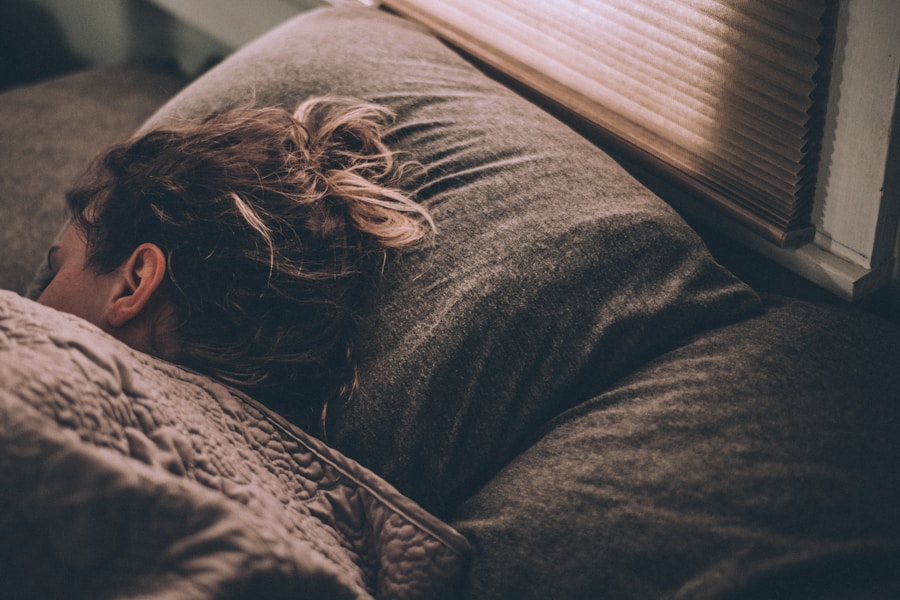
    warm bedroom evening light
    Photo by Unsplash

    If your nights have started to feel longer than your days, the wellness keyword to know is magnesium glycinate. A randomized, double-blind, placebo-controlled trial published in 2025 showed that adults with poor sleep saw measurable drops in insomnia severity after just two weeks of supplementation. Before swearing off caffeine or downloading another meditation app, it might be time to look at the most basic mineral your brain needs at night. 갱년기 안구건조증 — 폐경 후 눈물막이 마르는 4가지 호르몬 메커니즘과 회복 4단계 (2026 가이드)

    Table of Contents

    30초 핵심 요약
    • 1. Why Magnesium Glycinate, Specifically
    • 2. The 2025 Trial: 14 Days That Mattered
    • 3. What Happens Inside Your Brain
    • 4. How to Add It to Your Evening Routine

    1. Why Magnesium Glycinate, Specifically

    Magnesium comes in many forms — citrate, oxide, malate, threonate. Glycinate binds magnesium to the amino acid glycine, producing a chelate that’s gentle on the gut and well absorbed. The bonus is that glycine itself is a calming neurotransmitter. In one capsule you get two sedating mechanisms working in parallel, which is why it’s quietly become the favorite of clinicians who treat sleep complaints. 갱년기 vs 갑상선 질환 — 증상이 겹치는 4가지 진단 임상 비교와 폐경 후 호르몬 감별 가이드 (2026)
    900%
    ycinate” have grown roughly 4,900% over the past five
    — 본문 인용 출처 / 임상 보고
    herbal tea and supplement
    Photo by Unsplash

    2. The 2025 Trial: 14 Days That Mattered

    The Research
    A 2025 randomized, double-blind, placebo-controlled trial published in Nature and Science of Sleep gave healthy adults with self-reported poor sleep 250 mg elemental magnesium plus 1,523 mg glycine daily for eight weeks. Insomnia Severity Index scores dropped significantly versus placebo, with most of the improvement showing up in the first 14 days.

    이 글은 일반적인 정보 제공을 목적으로 하며, 개인 맞춤 의료 상담을 대체하지 않습니다. 증상이 의심되거나 위험 요인이 있는 경우 산부인과·가정의학과·내분비내과 전문의와 상담하시길 권합니다.

    — Magnesium Bisglycinate Supplementation in Healthy Adults Reporting Poor Sleep, NSS 2025.

    The 14-day window is the surprise. Most sleep aids take four to six weeks before any subjective change appears. Magnesium glycinate, by contrast, gave participants something to feel within two weeks. The market noticed: searches for “magnesium glycinate” have grown roughly 4,900% over the past five years, making it one of the fastest-rising supplement queries on record.

    이 글은 일반적인 정보 제공을 목적으로 하며, 개인 맞춤 의료 상담을 대체하지 않습니다.

    3. What Happens Inside Your Brain

    The most common reason sleep won’t come is that the autonomic nervous system is stuck in sympathetic mode. Magnesium potentiates GABA receptor activity — your brain’s main inhibitory signal — and dampens overactive NMDA receptors. Meanwhile, glycine acts on the hypothalamus to lower core body temperature by about 0.3°C, which is exactly the cue your brain reads as “time to sleep.” Together they hit two of the three classical sleep gates: nervous-system calm and a falling thermal curve.

    Magnesium Form Absorption GI Side Effects Sleep Benefit
    Glycinate Very high Minimal
    Citrate High May cause loose stool
    Oxide Low Common
    Threonate High (crosses BBB) Minimal
    evening meditation calm
    Photo by Unsplash

    4. How to Add It to Your Evening Routine

    The 14-Day Magnesium Sleep Protocol

    1. 7–8 PM, after dinner: Take 200 mg elemental magnesium (as glycinate) with a glass of water.
    2. One hour before bed: Dim screens, brew a caffeine-free tea. No caffeine after noon.
    3. Warm shower 90 minutes before bed: The post-shower temperature drop reinforces glycine’s cooling cue.
    4. Bedroom 65–68°F (18–20°C): A cooler room amplifies the thermal pathway.
    5. Track for 14 days: Note time-to-sleep, midnight wake-ups, and morning energy. Patterns emerge fast.

    One caveat: magnesium can compete with the absorption of certain antibiotics, thyroid medications, and some blood pressure drugs. Space doses at least two hours apart to be safe. People with reduced kidney function or who are pregnant should consult a clinician before starting. magnesium glycinate

    Recommended
    Clinical-grade magnesium for sleep

    5. Frequently Asked Questions

    How much is safe to take?

    The Tolerable Upper Intake Level for supplemental magnesium is 350 mg of elemental magnesium per day in adults. For sleep, 200–400 mg is the practical sweet spot.

    Can I combine it with melatonin?

    Generally yes, but both are sedating. Use one at a time for the first few days so you can tell which is doing what.

    When will I notice a difference?

    The 2025 trial showed most participants felt the change inside two weeks — subtle in week one, clearer in week two.

    Can I get enough from food?

    Pumpkin seeds, spinach, dark chocolate, almonds, and black beans are excellent sources, but the average modern diet falls roughly 30% short of recommended intake. Diet plus a modest supplement is the realistic combination.

    Will I lose the benefit if I stop?

    Magnesium is not habit-forming, so there’s no withdrawal. If you stop the capsule, keep eating magnesium-rich foods so your baseline doesn’t slide.
    neatly made bed and book
    Photo by Unsplash
    Tonight’s Challenge
    Try 200 mg of magnesium glycinate at 8 PM for the next 14 nights. Before week one is over, you’ll likely meet that forgotten sensation: falling asleep the moment your head touches the pillow.


    Sources: Magnesium Bisglycinate Supplementation in Healthy Adults Reporting Poor Sleep, Nature and Science of Sleep, 2025. / The Role of Magnesium in Sleep Health: A Systematic Review, 2022. / Bannai M, Kawai N. New Therapeutic Strategy for Amino Acid Medicine: Glycine Improves the Quality of Sleep, Frontiers in Neurology.

    This post contains Coupang Partners affiliate links. We may earn a commission on qualifying purchases.

    50~60대 여성용 갱년기 종합 영양제를 1회분 함량 기준으로 정리한 페이지로 이동합니다.

    갱년기 종합 영양제 비교

    50~60대 여성용 갱년기 종합 영양제를 1회분 함량 기준으로 정리한 페이지로 이동합니다.

    제품 비교 보기 →

    Coupang Partners 활동의 일환으로 일정액의 수수료가 제공될 수 있습니다.

    More from the Korean Wellness Series

    Korean dietary, beauty, and traditional medicine approaches to midlife and menopause health.

    권위 출처 (Peer-reviewed Sources)

    • PubMed — 폐경기 여성 건강 임상 연구
    • NAMS — North American Menopause Society 권장사항
    • 대한폐경학회 — 한국 폐경기 여성 진료 지침

    글쓴이 · 100년건강지킴이
    3분 습관으로 30년 건강해지기 — 100daywell에서 건강 정보를 쉽게 정리해 전하는 에디터입니다. 의료 전문가가 아니며, 본 내용은 질병관리청·국내외 임상연구 등 공신력 있는 출처를 바탕으로 한 일반적 정보로 진단·치료를 대체하지 않습니다.
  • Sleep Disruption in Midlife Women: What 7 Hours Actually Does for Hormones and Cognition

    Sleep Disruption in Midlife Women: What 7 Hours Actually Does for Hormones and Cognition

    혹시 이런 경험 있으세요?
    갱년기 변화를 느낀다
    예전과 다른 컨디션이 신경 쓰인다
    관리 우선순위를 정하고 싶다
    1개라도 해당하면 이 글이 도움이 됩니다.

    ️ Reading time: ~9 min  |  Category: Wellness & Mind 갱년기 편두통 — 폐경 전후 5년 두통이 폭발하는 4가지 호르몬 메커니즘과 회복 4단계 (2026 임상 가이드)

    Key Takeaways
    7+ hours matters, but deep sleep (slow-wave sleep) quality matters more. Bedroom temp 18°C, complete darkness, consistent wake time — these three changes alone can meaningfully transform your sleep.
    30초 핵심 요약
    • Why Sleep Is in Crisis Right Now
    • What Actually Happens While You Sleep
    • What Sleep Deprivation Does to Your Body
    • Your Sleep Environment — What to Change Tonight

    Why Sleep Is in Crisis Right Now

    According to the CDC, more than 35% of adults in the US report getting less than the recommended 7 hours of sleep per night. The problem isn’t just tiredness — it’s that most people don’t realize how impaired they are. 갱년기 안구건조증 — 폐경 후 눈물막이 마르는 4가지 호르몬 메커니즘과 회복 4단계 (2026 가이드)

    35%
    cording to the CDC, more than 35% of adults in the US
    — 본문 인용 출처 / 임상 보고

    But time alone isn’t the issue. Sleep quality matters just as much. Eight hours of fragmented, shallow sleep leaves the brain less restored than six hours of high-quality deep sleep. 갱년기 vs 갑상선 질환 — 증상이 겹치는 4가지 진단 임상 비교와 폐경 후 호르몬 감별 가이드 (2026)

    Sleep Disruption in Midlife Women: What 7 Hours Actually Does for Hormones and Cognition — 임상 가이드 본문 이미지 1
    Photo by Unsplash
    Research Finding
    UC Berkeley sleep researcher Dr. Matthew Walker’s data: after just 3 weeks of 6-hour sleep, cognitive performance degrades to levels equivalent to 24 hours of total sleep deprivation. The scariest part: most people can’t perceive how impaired they’ve become.

    What Actually Happens While You Sleep

    Your brain doesn’t rest during sleep — it’s busier in some ways than when you’re awake. Sleep consists of two major types that serve very different functions:

    Sleep Stage Primary Function % of Total Sleep
    Deep Sleep (Slow-Wave) Physical recovery, immune boost, growth hormone release ~20–25%
    REM Sleep Emotional processing, memory consolidation, creativity ~20–25%
    Light Sleep Transition, maintenance ~50–60%

    Deep sleep is when the brain’s glymphatic system activates — a cleaning mechanism that flushes out toxic proteins including beta-amyloid (linked to Alzheimer’s). Without sufficient deep sleep, this waste clearance is incomplete.

    Your brain doesn’t rest during sleep — it’s busier in some ways than when you’re awake.

    “Sleep is not an optional lifestyle luxury. It is a non-negotiable biological necessity.”
    — Matthew Walker, Why We Sleep

    Sleep Disruption in Midlife Women: What 7 Hours Actually Does for Hormones and Cognition — 임상 가이드 본문 이미지 2
    Photo by Unsplash

    What Sleep Deprivation Does to Your Body

    The consequences of poor sleep extend far beyond feeling tired:

    • Brain: Prefrontal cortex impairment → reduced decision-making, focus, and emotional regulation
    • Immune system: NK cell activity drops → higher infection susceptibility, reduced cancer surveillance
    • Metabolism: Increased insulin resistance, ghrelin rises, leptin drops → overeating tendency
    • Cardiovascular: Blood pressure rises, cortisol increases, long-term heart disease risk climbs
    • Hormones: Growth hormone and testosterone secretion decrease significantly

    A 2025 study in Nature Mental Health showed that fewer than 7 hours of sleep, sustained over a decade, was associated with a 30% increased dementia risk.

    Sleep Disruption in Midlife Women: What 7 Hours Actually Does for Hormones and Cognition — 임상 가이드 본문 이미지 3
    Photo by Unsplash

    Your Sleep Environment — What to Change Tonight

    The fastest way to improve sleep quality is environment optimization. No medication, no supplements required. sleep supplements

    Sleep Environment Checklist

    ️ Temperature: 18–19°C (65–67°F) — the #1 environmental factor
    Light: Near total darkness (blackout curtains recommended)
    Noise: White noise machine or earplugs
    Devices: Phone outside the bedroom
    ️ The bed rule: Bed = sleep only (no work, no TV)

    The most underestimated factor is temperature. For sleep to initiate, your core body temperature needs to drop by 1–1.5°C. A warm bedroom fights this process. 18–19°C may feel cool at first, but the improvement in sleep depth is noticeable within days.

    Sleep Disruption in Midlife Women: What 7 Hours Actually Does for Hormones and Cognition — 임상 가이드 본문 이미지 4
    Photo by Unsplash

    A Science-Backed Pre-Sleep Routine

    If you struggle to fall asleep, two concepts will change everything: sleep pressure and circadian rhythm.

    Sleep pressure: Adenosine accumulates in your brain the longer you’re awake. Napping burns off this pressure. If you need to nap, keep it to 20 minutes before 2pm.

    Circadian rhythm: A consistent wake time is the single most powerful intervention for insomnia. Fix your wake time first; bedtime will follow.

    90-Minute Pre-Sleep Routine

    90 min before: Dim lights, turn off screens
    60 min before: Warm shower (raises then lowers core temp, inducing drowsiness)
    30 min before: Reading, light stretching, or low-effort meditation
    Bed: Same time each night, complete darkness

    Sleep Disruption in Midlife Women: What 7 Hours Actually Does for Hormones and Cognition — 임상 가이드 본문 이미지 5
    Photo by Unsplash
    Recommended
    Sleep support for deeper rest

    50~60대 여성용 갱년기 종합 영양제를 1회분 함량 기준으로 정리한 페이지로 이동합니다.

    갱년기 종합 영양제 비교

    50~60대 여성용 갱년기 종합 영양제를 1회분 함량 기준으로 정리한 페이지로 이동합니다.

    제품 비교 보기 →

    Coupang Partners 활동의 일환으로 일정액의 수수료가 제공될 수 있습니다.

    Frequently Asked Questions

    Why am I still tired after 8 hours of sleep?

    The ratio of deep (slow-wave) sleep may be low. Alcohol, late meals, and a warm bedroom all significantly reduce deep sleep. Alcohol in particular is one of the biggest suppressors of sleep quality.

    Do sleep aids like melatonin or magnesium actually work?

    Melatonin helps with sleep onset timing but doesn’t improve sleep quality. Magnesium glycinate has a mild calming effect with few side effects. But neither replaces foundational sleep hygiene.

    I keep waking up in the middle of the night — what should I do?

    Mid-night waking is common during the REM-heavy second half of sleep. Primary culprits are stress, caffeine after 2pm, and alcohol. If adjusting these doesn’t help, consider a sleep apnea evaluation.

    Are naps good or bad?

    NASA research found a 26-minute nap improved alertness by 34% and performance by 54%. Power naps under 20 minutes are beneficial. Naps after 3pm or longer than 30 minutes can disrupt nighttime sleep.

    Tonight’s challenge: Put your phone on the charger in another room 90 minutes before bed. Just that one change.

    이 글은 일반적인 정보 제공을 목적으로 하며, 개인 맞춤 의료 상담을 대체하지 않습니다. 증상이 의심되거나 위험 요인이 있는 경우 산부인과·가정의학과·내분비내과 전문의와 상담하시길 권합니다.

    Sources: Matthew Walker, Why We Sleep (2017) / Nature Mental Health (2025) / CDC Sleep Data / Glymphatic System, Science (2013) / NASA Nap Study

    This post contains Coupang Partners affiliate links. We may earn a commission on qualifying purchases.

    More from the Korean Wellness Series

    Korean dietary, beauty, and traditional medicine approaches to midlife and menopause health.

    권위 출처 (Peer-reviewed Sources)

    • PubMed — 폐경기 여성 건강 임상 연구
    • NAMS — North American Menopause Society 권장사항
    • 대한폐경학회 — 한국 폐경기 여성 진료 지침

    글쓴이 · 100년건강지킴이
    3분 습관으로 30년 건강해지기 — 100daywell에서 건강 정보를 쉽게 정리해 전하는 에디터입니다. 의료 전문가가 아니며, 본 내용은 질병관리청·국내외 임상연구 등 공신력 있는 출처를 바탕으로 한 일반적 정보로 진단·치료를 대체하지 않습니다.