☐ 예전과 다른 컨디션이 신경 쓰인다
☐ 관리 우선순위를 정하고 싶다
⏱️ Reading time: ~9 min | Category: Wellness & Mind 갱년기 편두통 — 폐경 전후 5년 두통이 폭발하는 4가지 호르몬 메커니즘과 회복 4단계 (2026 임상 가이드)
7+ hours matters, but deep sleep (slow-wave sleep) quality matters more. Bedroom temp 18°C, complete darkness, consistent wake time — these three changes alone can meaningfully transform your sleep.
- Why Sleep Is in Crisis Right Now
- What Actually Happens While You Sleep
- What Sleep Deprivation Does to Your Body
- Your Sleep Environment — What to Change Tonight
Why Sleep Is in Crisis Right Now
According to the CDC, more than 35% of adults in the US report getting less than the recommended 7 hours of sleep per night. The problem isn’t just tiredness — it’s that most people don’t realize how impaired they are. 갱년기 안구건조증 — 폐경 후 눈물막이 마르는 4가지 호르몬 메커니즘과 회복 4단계 (2026 가이드)
But time alone isn’t the issue. Sleep quality matters just as much. Eight hours of fragmented, shallow sleep leaves the brain less restored than six hours of high-quality deep sleep. 갱년기 vs 갑상선 질환 — 증상이 겹치는 4가지 진단 임상 비교와 폐경 후 호르몬 감별 가이드 (2026)
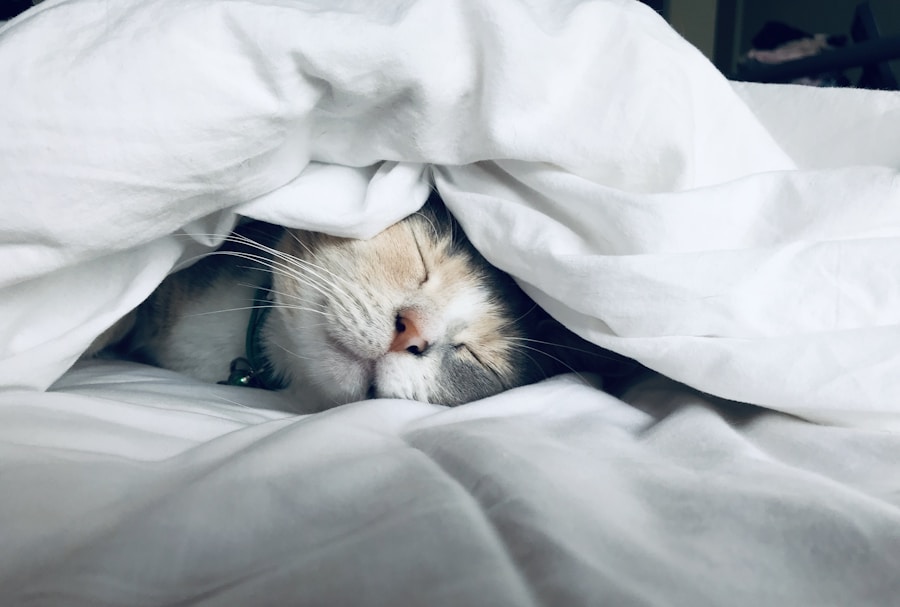
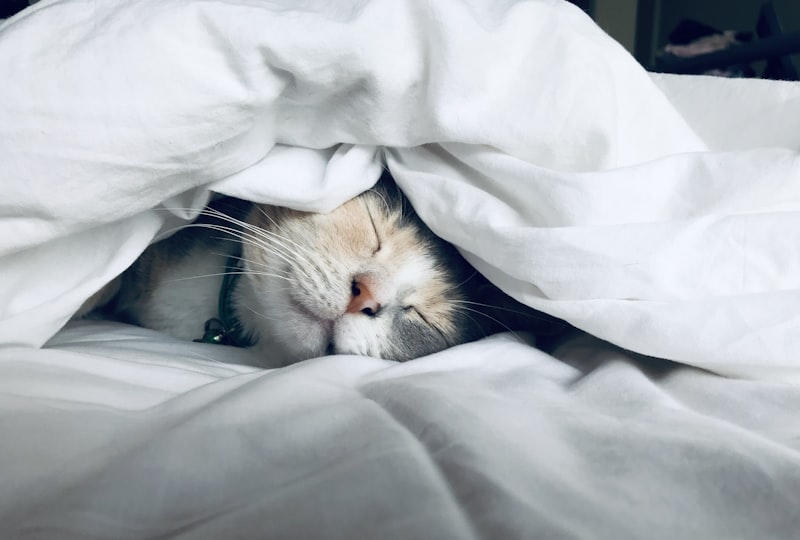
UC Berkeley sleep researcher Dr. Matthew Walker’s data: after just 3 weeks of 6-hour sleep, cognitive performance degrades to levels equivalent to 24 hours of total sleep deprivation. The scariest part: most people can’t perceive how impaired they’ve become.
What Actually Happens While You Sleep
Your brain doesn’t rest during sleep — it’s busier in some ways than when you’re awake. Sleep consists of two major types that serve very different functions:
| Sleep Stage | Primary Function | % of Total Sleep |
|---|---|---|
| Deep Sleep (Slow-Wave) | Physical recovery, immune boost, growth hormone release | ~20–25% |
| REM Sleep | Emotional processing, memory consolidation, creativity | ~20–25% |
| Light Sleep | Transition, maintenance | ~50–60% |
Deep sleep is when the brain’s glymphatic system activates — a cleaning mechanism that flushes out toxic proteins including beta-amyloid (linked to Alzheimer’s). Without sufficient deep sleep, this waste clearance is incomplete.
Your brain doesn’t rest during sleep — it’s busier in some ways than when you’re awake.
“Sleep is not an optional lifestyle luxury. It is a non-negotiable biological necessity.”
— Matthew Walker, Why We Sleep
What Sleep Deprivation Does to Your Body
The consequences of poor sleep extend far beyond feeling tired:
- Brain: Prefrontal cortex impairment → reduced decision-making, focus, and emotional regulation
- Immune system: NK cell activity drops → higher infection susceptibility, reduced cancer surveillance
- Metabolism: Increased insulin resistance, ghrelin rises, leptin drops → overeating tendency
- Cardiovascular: Blood pressure rises, cortisol increases, long-term heart disease risk climbs
- Hormones: Growth hormone and testosterone secretion decrease significantly
A 2025 study in Nature Mental Health showed that fewer than 7 hours of sleep, sustained over a decade, was associated with a 30% increased dementia risk.
Your Sleep Environment — What to Change Tonight
The fastest way to improve sleep quality is environment optimization. No medication, no supplements required. sleep supplements
🌡️ Temperature: 18–19°C (65–67°F) — the #1 environmental factor
🌑 Light: Near total darkness (blackout curtains recommended)
🔇 Noise: White noise machine or earplugs
📵 Devices: Phone outside the bedroom
🛏️ The bed rule: Bed = sleep only (no work, no TV)
The most underestimated factor is temperature. For sleep to initiate, your core body temperature needs to drop by 1–1.5°C. A warm bedroom fights this process. 18–19°C may feel cool at first, but the improvement in sleep depth is noticeable within days.
A Science-Backed Pre-Sleep Routine
If you struggle to fall asleep, two concepts will change everything: sleep pressure and circadian rhythm.
Sleep pressure: Adenosine accumulates in your brain the longer you’re awake. Napping burns off this pressure. If you need to nap, keep it to 20 minutes before 2pm.
Circadian rhythm: A consistent wake time is the single most powerful intervention for insomnia. Fix your wake time first; bedtime will follow.
90 min before: Dim lights, turn off screens
60 min before: Warm shower (raises then lowers core temp, inducing drowsiness)
30 min before: Reading, light stretching, or low-effort meditation
Bed: Same time each night, complete darkness
50~60대 여성용 갱년기 종합 영양제를 1회분 함량 기준으로 정리한 페이지로 이동합니다.
50~60대 여성용 갱년기 종합 영양제를 1회분 함량 기준으로 정리한 페이지로 이동합니다.
Coupang Partners 활동의 일환으로 일정액의 수수료가 제공될 수 있습니다.
Frequently Asked Questions
▶ Why am I still tired after 8 hours of sleep?
The ratio of deep (slow-wave) sleep may be low. Alcohol, late meals, and a warm bedroom all significantly reduce deep sleep. Alcohol in particular is one of the biggest suppressors of sleep quality.
▶ Do sleep aids like melatonin or magnesium actually work?
Melatonin helps with sleep onset timing but doesn’t improve sleep quality. Magnesium glycinate has a mild calming effect with few side effects. But neither replaces foundational sleep hygiene.
▶ I keep waking up in the middle of the night — what should I do?
Mid-night waking is common during the REM-heavy second half of sleep. Primary culprits are stress, caffeine after 2pm, and alcohol. If adjusting these doesn’t help, consider a sleep apnea evaluation.
▶ Are naps good or bad?
NASA research found a 26-minute nap improved alertness by 34% and performance by 54%. Power naps under 20 minutes are beneficial. Naps after 3pm or longer than 30 minutes can disrupt nighttime sleep.
Tonight’s challenge: Put your phone on the charger in another room 90 minutes before bed. Just that one change.
이 글은 일반적인 정보 제공을 목적으로 하며, 개인 맞춤 의료 상담을 대체하지 않습니다. 증상이 의심되거나 위험 요인이 있는 경우 산부인과·가정의학과·내분비내과 전문의와 상담하시길 권합니다.
Sources: Matthew Walker, Why We Sleep (2017) / Nature Mental Health (2025) / CDC Sleep Data / Glymphatic System, Science (2013) / NASA Nap Study
This post contains Coupang Partners affiliate links. We may earn a commission on qualifying purchases.
More from the Korean Wellness Series
Continue exploring Korean dietary, cultural, and traditional medicine approaches to midlife and menopause health.